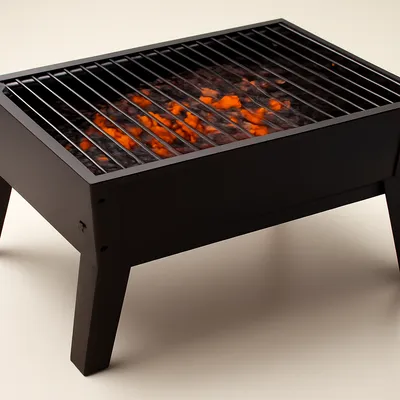
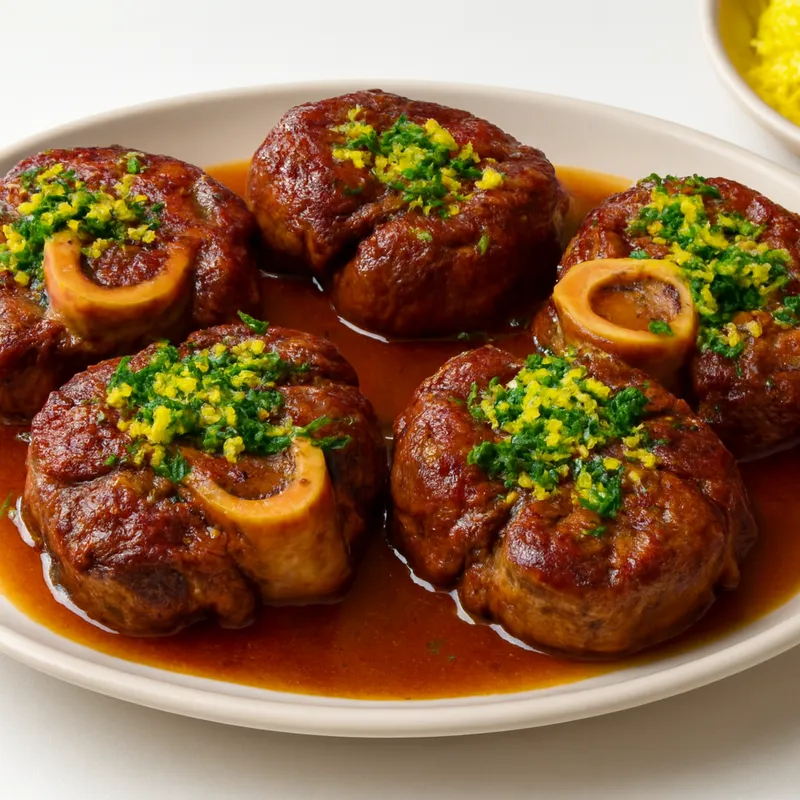
The everyday fresh pork sausage of the Trentino, coiled into one long unbroken spiral and sold by the loop in village butchers. Pure pork and back fat, medium-ground and seasoned only with salt, black pepper and garlic, it is stuffed into narrow natural casing and eaten fresh: grilled over embers, browned into canederli dumplings and smacafam, or, toward the Sudtirol, lightly cold-smoked in the Austrian manner.
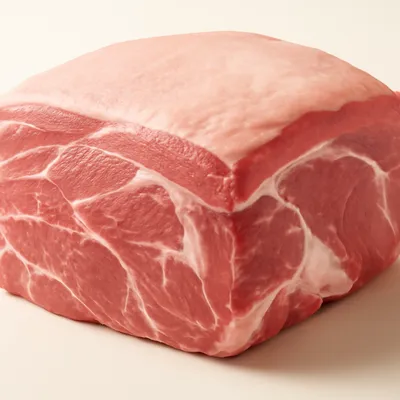


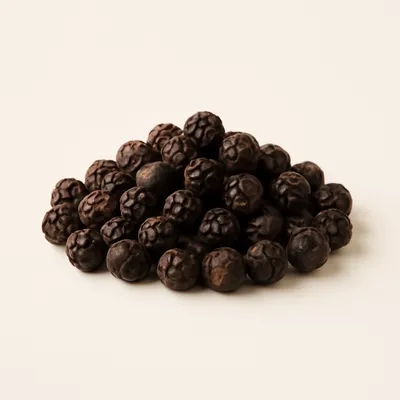


Luganega's name descends from the Latin lucanica, the sausage the Roman scholar Varro recorded in the first century BC as one soldiers had learned to make from the Lucani of southern Italy; the fresh pork version became the everyday salume of the Trentino, second only to speck; the traditional recipe is medium-ground pure pork and back fat seasoned with roughly 25g salt, 3g black pepper and grated garlic per kilogram, stuffed into narrow casing and coiled into its long spiral; it is recognised as a Traditional Agri-Food Product across Lombardy, Trentino-Alto Adige and the Veneto; beyond the grill it is cooked into the region's canederli dumplings and its smacafam buckwheat bake.
A thin, snappy casing bursts with a juicy crackle; the coarse pork is savoury and open-textured, the back fat melting sweet through it, with grated garlic and cracked black pepper warming the long, meaty finish.
Salt at about 2.5 percent dissolves the muscle's myofibrillar proteins, chiefly myosin, which on hard mixing form a sticky exudate that binds the coarse grind into a juicy, cohesive sausage rather than a crumbly one; resting sets this protein sol around the fat and lean. On the embers, surface proteins and sugars brown by the Maillard reaction while rendering back fat bastes the meat from within; because the sausage is fresh and un-cured, it must reach about 70℃ at the centre for safety, at which point the myosin has fully coagulated and the casing has tightened into its characteristic snap.
Variations
Toward Bolzano and the Sudtirol the sausage is lightly cold-smoked under Austrian influence; some butchers add a splash of white wine or a whisper of nutmeg and cinnamon; the related luganega of the Veneto and Lombardy is ground finer, and the Monza version is enriched with grated Grana and stock. Beyond the grill it is simmered into risotto, sliced into canederli, or baked into smacafam.
On the Palate
Where Luganega Trentina sits in the Italian flavor cloud
Ingredients
Serves 4How it's made
7 steps · 50 min active + 50 min waiting
- 115 min
Chill 800g pork shoulder and 200g back fat until near-frozen, then grind them together through a 6mm plate into a bowl set over ice.
- 24 min
Add 25g fine salt, 3g coarsely ground black pepper and 2 grated garlic cloves, and mix hard by hand for 2–3 minutes until the meat turns tacky and binds.
Watch outMix hard until the meat turns tacky and grabs your hand — that sticky bind is what keeps the sausage juicy instead of crumbly.
- 330 min
Cover and rest in the refrigerator for 30 minutes so the salt-soluble proteins set and the seasoning distributes evenly.
- 46 min
Rinse a length of narrow natural hog casing, soak it until supple, and thread it onto the stuffer nozzle.
- 510 min
Stuff at even pressure without air pockets, then coil the sausage into one long unbroken spiral and pin it across with a skewer.
- 620 min
Prick any trapped air bubbles and let the coil dry uncovered for 20 minutes, bringing it to room temperature before cooking.
- 715 min
Grill the whole coil over medium embers, turning once, for 12–15 minutes until deeply browned and 70℃ at the centre; rest briefly and serve.
Watch outGrill just to deeply browned and 70 degrees at the center — it's fresh and uncured, so it must reach that core temperature, but overdo it and it dries out.
Archive tool suggestions — not reviewed
These legacy suggestions have not been evidence-reviewed and are not presented as required tools.