A Roman-Jewish baked tortino of fresh anchovies layered with curly endive, olive oil, garlic, and black pepper—poverty cooking transformed to liturgy in the Ghetto of Rome, born of 17th-century sumptuary laws that banned Jews from buying noble fish and turned the humble anchovy into a hallmark of cucina giudaico-romanesca.
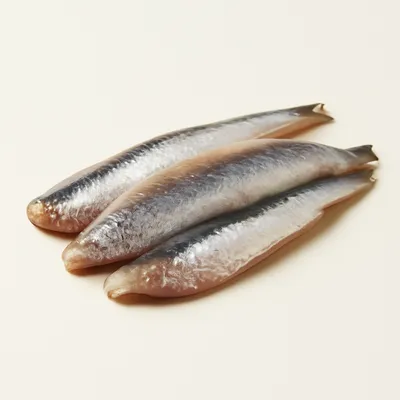
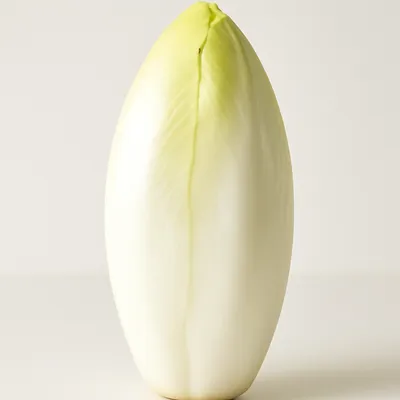
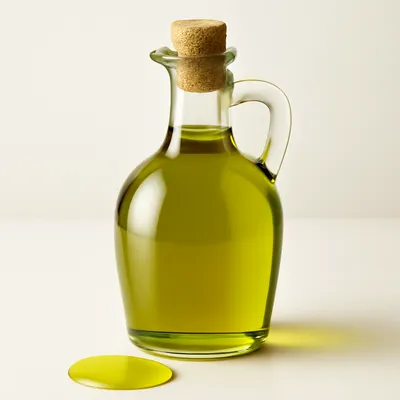



Rome's Jewish community—Europe's oldest, continuously present since the 2nd century BCE—was confined to the Ghetto in the Sant'Angelo in Pescheria quarter by Pope Paul IV's 1555 bull. The Ghetto stood directly beside the Tiber fish market; in 1661, sumptuary decrees explicitly prohibited Roman Jews from purchasing expensive or noble fish, restricting them to cheap oily catches sold at the riverine market. Fresh anchovies (aliciotti) and curly endive (indivia riccia), both abundant and inexpensive, became the defining pairing of cucina giudaico-romanesca, transforming necessity into a signature dish still prepared in Rome's Jewish quarter today.
Savory and umami-laden, the baked anchovy flesh yielding and rich, the wilted endive retaining a gentle bitterness; olive oil pools between every layer, making each forkful silky and unified.
Fresh anchovies are oily, dark-fleshed fish: their proteins denature at around 60C, turning translucent flesh opaque while releasing glutamates and inosinates that intensify umami. During baking at 180C, the endive's cell walls collapse and release water, which steams the fish from below, keeping the flesh moist while the exposed surface bronzes. Bitter lactucin glycosides in the endive mellow under sustained oven heat, leaving only a gentle edge. The olive oil, as a fat-soluble medium, captures aromatic compounds from both fish and vegetable and distributes them across the palate with each bite.
Variations
Fresh sardines substitute seamlessly for anchovies. A breadcrumb topping (pangrattato) adds a contrasting crunch. Pine nuts and raisins layered into the dish introduce the agrodolce sweet-sour balance characteristic of Ghetto cooking. Parsley can supplement or replace garlic. Cold leftovers are considered by many to be even better than the dish fresh from the oven.
On the Palate
Where Aliciotti con l'Indivia sits in the Italian flavor cloud
Ingredients
Serves 4How it's made
8 steps · 15 min
- 110 min
Clean the fresh anchovies: remove heads, slit open belly, gut, open butterfly-style, and rinse well under cold running water. Pat completely dry with paper towels.
- 25 min
Separate the curly endive leaves, wash thoroughly, and spin or pat completely dry—excess water will make the dish watery.
Watch outWash the endive and dry it thoroughly — any clinging water pools in the dish and it turns watery instead of baking to a bronzed, moist gratin.
- 32 min
Generously coat a deep oven-safe baking dish with olive oil. Spread a thick, even layer of endive leaves to cover the entire base.
- 43 min
Lay half the anchovies skin side down in a single layer over the endive. Season with salt, freshly cracked black pepper, and a little finely minced garlic.
- 53 min
Add a second thick layer of endive, pressing firmly with your hands to compact. Top with the remaining anchovies, skin side down; season again with salt, pepper, garlic, and a generous drizzle of olive oil.
- 62 min
Finish with a final layer of endive, pressing firmly. Drizzle generously with olive oil over the top.
- 731 min
Bake in a preheated oven at 180C for 28-30 minutes until the endive is fully wilted and the anchovies are cooked through; switch to grill for the final 3 minutes to bronze the surface.
Watch outBake until the endive fully wilts and the anchovies turn opaque, then grill 3 minutes to bronze the top — the endive's water steams the fish from below, so let it collapse fully before browning.
- 85 min
Rest 5 minutes before slicing into portions with a spatula. Serve warm or at room temperature.
Archive tool suggestions — not reviewed
These legacy suggestions have not been evidence-reviewed and are not presented as required tools.


