A spring soup from Lucca dating to the seventeenth century, Garmugia gathers the first vegetables of the season, young broad beans, peas, artichokes and asparagus tips, into a light broth enriched with minced beef and diced pancetta. Unusually for a Tuscan zuppa it was a dish of the well-off, the households that alone could afford meat, and was given to new mothers and the convalescent as a restorative. Sautéed spring onions and pancetta build the base, the meat browns in, and the vegetables go in by stages so each keeps its bite and colour. It is ladled over toasted bread with a raw thread of olive oil, and belongs only to the few weeks when all its vegetables overlap.


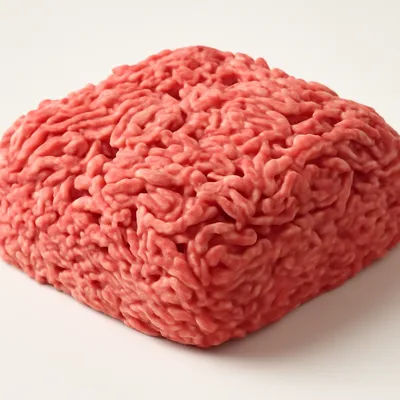

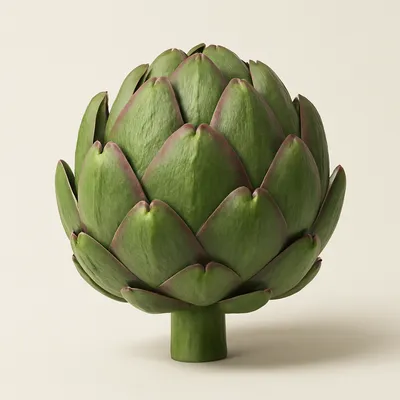
Garmugia belongs to Lucca, and its name is usually taken to echo the sprouting shoots of the spring it celebrates. First recorded in the 1600s, it stood apart from the peasant soups of Tuscany from the start: only the well-off could afford the meat and pancetta that enrich it, and it was prized as a restorative for women after childbirth and for the sick. That independence is fitting, for Lucca remained a sovereign republic until 1805, outside the Grand Duchy of Tuscany and its Florentine table. By the twentieth century the dish had all but slipped from memory, until in 1965 the Marchesa Maria Luisa Incontri Lotteringhi della Stufa set the recipe down in her book of Tuscan cooking and returned it to Lucchese kitchens.
Light-bodied yet full of spring, the broth carries the sweetness of just-picked peas and broad beans, the faint bitterness of artichoke and the grassy snap of asparagus, all underpinned by the savour of beef and the smoky salt of pancetta. The vegetables stay distinct and just tender, the toasted bread softens at the edges, and a raw thread of olive oil ties it together.
The soup is built in layers of timing. Rendering the pancetta and sweating the spring onions makes an aromatic fat base, and browning the beef in it develops savoury Maillard compounds and glutamates that give the light broth its backbone. The vegetables then go in by cooking time, artichokes first, tender peas and broad beans next, asparagus tips last, because each softens as its pectin breaks down at a different rate, so adding them in stages means none overcooks. Keeping the green vegetables only briefly in the pot also protects their colour, since prolonged heat and the broth's mild acidity would turn their bright chlorophyll to drab olive pheophytin. Young legumes taste sweet because their sugars have not yet turned to starch, and the whole is kept deliberately light so the spring produce leads and the meat sits behind it.
Variations
Every Lucchese family shades it differently. The meat may be minced veal instead of beef, or the two mixed, and some use guanciale in place of pancetta. The vegetables follow the market: fresh borlotti or cannellini beans, chard or young fava leaves sometimes join the peas, artichokes and asparagus. Vegetarian versions drop the meat and lean on a richer vegetable broth. It is always finished over toasted bread, sometimes rubbed with garlic, with the best new-pressed olive oil poured raw on top.
On the Palate
Where Garmugia sits in the Italian flavor cloud
Ingredients
Serves 4


How it's made
8 steps · 40 min
- 115 min
Shell the broad beans and peas, trim the artichokes to their hearts and slice, and cut the asparagus, keeping the tips apart.
- 230 min
Simmer the vegetable trimmings with a carrot in water for about 30 minutes to make a light broth, then strain.
- 36 min
Gently sauté the sliced spring onions in olive oil, add the diced pancetta and let it render.
- 46 min
Add the minced beef and brown it well, breaking it up as it cooks.
Watch outBrown the minced beef well, breaking it up — those seared bits are the backbone of a light broth that would otherwise taste watery.
- 55 min
Add the sliced artichokes with a ladle of broth and cook a few minutes.
- 615 min
Pour in the remaining hot broth, bring to a simmer, add the broad beans and peas, and cook about 15 minutes.
- 76 min
Add the asparagus tips and simmer 5 minutes more, then season with salt and pepper.
Watch outAdd the asparagus tips only for the last five minutes — the greens go in by cooking time so none overcooks; too early and they turn drab and soft.
- 84 min
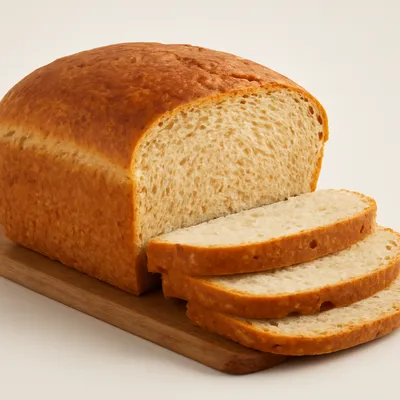
Toast the bread, set a slice in each bowl, ladle the soup over and finish with raw olive oil.


