
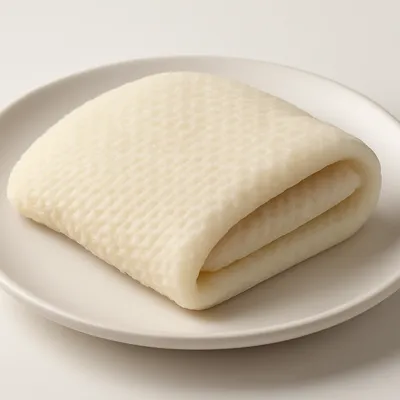
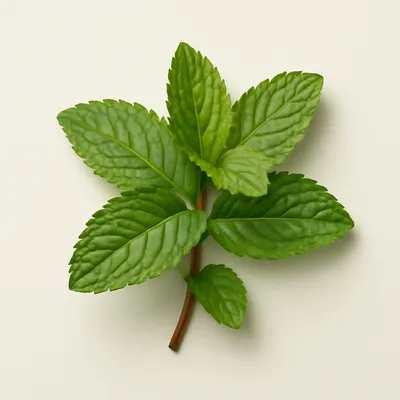
A Roman braise of honeycomb veal or beef tripe, cut into strips and stewed in a tomato sauce built on a pancetta-and-vegetable soffritto. What marks it as Roman rather than any other Italian tripe is the finish: a handful of mentuccia (Roman wild mint) stirred in at the end and a heavy grating of Pecorino Romano over the top. It belongs to the city's quinto quarto cooking — the offal cuts left to the working class — and was traditionally a Saturday dish, the «sabato trippa» still chalked on trattoria boards. It is served hot as a hearty main, with bread for the sauce.



The dish is a survival of Rome's quinto quarto (literally «fifth quarter») tradition, the offal and trimmings of slaughtered animals that the nobility, clergy and merchants left to the common people and the butchers; this working-class cooking took its modern shape around the slaughterhouse district of Testaccio in the 18th and 19th centuries. Tripe was historically eaten on Saturday — the «sabato trippa» custom, by which Saturday lunch in Rome meant tripe, a usage now fading but still seen hand-written on old trattoria signs. The dish has no single recorded inventor; what distinguishes the Roman version from tripe cooked elsewhere in Italy is its specific seasoning with mentuccia and Pecorino Romano.
Strips of honeycomb tripe, gently chewy with a clean give rather than rubbery, in a deep red tomato sauce thickened by long stewing. The pancetta gives a cured-pork savour underneath; the mentuccia, added late, runs through it as a cool, faintly oregano-like mint that keeps the rich offal from feeling heavy. A snowfall of sharp, salty Pecorino Romano over the hot bowl is the signature last note. Done right the tripe is tender and odour-free; underwashed or undercooked, it turns tough and smells barnyardy.
Tripe is mostly collagen-rich muscle from the stomach wall, so it needs thorough cleaning and a long, slow braise — usually pre-boiled, then stewed an hour or more — to soften the connective tissue to gelatin and lose its raw smell; rushing the heat leaves it rubbery. The mint is stirred in only in the last few minutes: its volatile aromatic oils are driven off by prolonged heat, so a late addition keeps the fresh, cooling note intact, the same logic by which gremolata is added raw to osso buco. The Pecorino Romano is grated on off the heat, where its salt and sharp, sheep's-milk tang season the dish without the cheese turning oily and stringy.
Variations
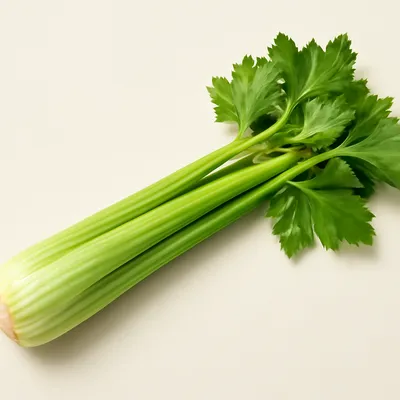
Cooks differ on the soffritto — some use pancetta, others guanciale, and leaner versions lean mainly on white onion, carrot and celery with no cured pork at all. Many add a pinch of chilli or a splash of white wine; some finish with both Pecorino and Parmigiano. The dish sits within Rome's wider quinto quarto repertoire alongside coda alla vaccinara (oxtail) and pajata (milk-fed calf intestine); beyond Rome, Florence's trippa alla fiorentina and the lampredotto sandwich (made from the abomasum, the fourth stomach) are the best-known Tuscan cousins.
On the Palate
Where Trippa alla Romana sits in the Italian flavor cloud
Ingredients
Serves 4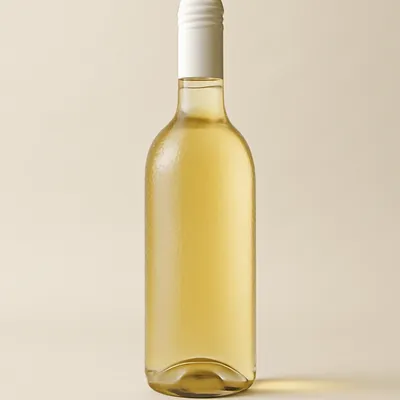


How it's made
7 steps · 45 min active + 1 hour 45 min waiting
- 130 min
Rinse the pre-cooked honeycomb tripe well, then simmer it in fresh water for a while to clean and soften it; drain and cut into finger-width strips.
- 212 min
Make a soffritto: gently cook diced pancetta with finely chopped onion, carrot and celery in olive oil until soft and fragrant.
- 35 min
Add the tripe strips and turn them in the soffritto, then pour in a splash of white wine and let it cook off.
- 45 min
Add sieved tomatoes or passata, season with salt, pepper and a little chilli, and bring to a gentle simmer.
- 560 min
Cover and braise on low heat for about an hour, stirring now and then, until the tripe is tender and the sauce is thick.
Watch outBraise on low about an hour until the tripe is tender and the sauce thick — rush the heat and it stays rubbery.
- 65 min
About five minutes before the end, stir in a handful of chopped mentuccia (Roman mint).
Watch outStir in the chopped Roman mint only in the last five minutes — long heat drives off its aromatic oils, so a late add keeps the fresh, cooling note.
- 73 min
Serve hot in bowls with a generous grating of Pecorino Romano and bread on the side.
Archive tool suggestions — not reviewed
These legacy suggestions have not been evidence-reviewed and are not presented as required tools.



