Slow-braised horse meat chunks in a brick-red tomato sauce, cooked in a traditional terracotta pignata over low heat for two to three hours until the meat shreds at a touch and the sauce is dense and peppery. The signature street food of Lecce and the Salento—sold from carts at village festivals stuffed into crusty bread—and an occasional pasta condiment spooned over orecchiette.





A cucina povera classic of Lecce province whose precise origins remain unclear. The most widely cited hypothesis links the dish to Romani communities who settled in the Salento from the fourteenth century onward, noting that the preparation closely resembles Hungarian goulash—a stew that also traditionally makes use of horse meat. In peasant communities across the province, horses that had aged past useful labor were slaughtered and slow-cooked in terracotta pignate, the communal clay pots of southern Italian hearth cooking. The resulting stew was served in the osterie and puteche (local taverns) of old Lecce as an inexpensive wine accompaniment, balanced on bread or on fork tips. Traditionally it is prepared and eaten on November 11, the feast of San Martino, and remains a fixture of Salentine village festivals throughout the year.
Silky, fork-tender shreds of horse meat in a rich tomato sauce simultaneously warm from chili heat and aromatic from black pepper and bay leaf—best eaten stuffed into a crusty roll where the peppery juices soak straight through the crumb.
Horse muscle meat is lean yet relatively rich in collagen, particularly in the forequarter cuts traditionally used for the dish. The initial blanching stage—about one hour in aromatic water—opens the muscle fibers and drives off volatile compounds responsible for the characteristic equine odor. The transition to a slower braise (80–90 °C) in an acidic tomato sauce then initiates collagen hydrolysis: over two to three hours, collagen strands convert to gelatin, which bodies up the sauce without any added thickener. The residual intramuscular fat in horse meat—more than 70 percent unsaturated—slowly renders into the sauce during this phase, adding richness. The terracotta pignata, a poor thermal conductor, distributes heat evenly and maintains a gentle bubble that prevents the proteins from seizing and toughening.
Variations
The fundamental division is red (al sugo, with tomato) versus white (in bianco): around Gallipoli the tomato is omitted entirely and the chunks are browned with rosemary and cloves for a dry, aromatic result. In northern Lecce province cooks use only a light veil of tomato; the deep south employs a full ragù-style red sauce. Some trattorie finish the braising liquid over hand-made orecchiette, combining the secondo and a pasta primo in a single pot. Festival vendors each guard their own spice-and-chili ratio as a family secret.
On the Palate
Where Pezzetti di Cavallo al Sugo sits in the Italian flavor cloud
Ingredients
Serves 6



How it's made
8 steps · 15 min
- 160 min
Combine horse meat with cold water, onion, carrot, celery, a pinch of salt, and a few black peppercorns in a large pot. Bring to a boil and simmer for 1 hour, skimming any foam that rises.
Watch outBlanch the horse meat a full hour, skimming, before braising — this opening simmer drives off the gamey odor that would otherwise carry into the sauce.
- 25 min
Drain the meat and let cool slightly. Cut into roughly 4–5 cm chunks, removing sinew but retaining the intramuscular fat.
- 38 min
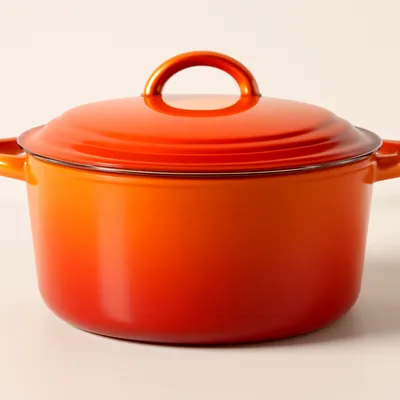
Warm olive oil in a terracotta pignata or a heavy wide pot over low heat. Add thinly sliced onion and cook until soft and golden, about 8 minutes.
- 410 min
Add crushed tomatoes and cook over medium heat for 10 minutes, stirring occasionally, until the sauce darkens and concentrates slightly.
- 52 min
Add the horse meat chunks to the sauce, along with a ladleful of the reserved cooking broth.
- 62 min
Add whole black peppercorns, crumbled dried chili, and bay leaves. Stir well to coat every piece of meat.
- 7150 min
Cover and braise over the lowest possible heat for 2–3 hours, checking every 30 minutes and adding a splash of reserved broth if the sauce tightens too much, until the meat is fall-apart tender.
Watch outBraise on the lowest heat 2-3 hours until fall-apart tender, topping up broth if it tightens — the collagen only turns to that body-giving gelatin over long, gentle time.
- 85 min
Remove bay leaves, adjust salt and chili. Serve piled into crusty bread rolls or spooned over freshly cooked orecchiette.
Archive tool suggestions — not reviewed
These legacy suggestions have not been evidence-reviewed and are not presented as required tools.