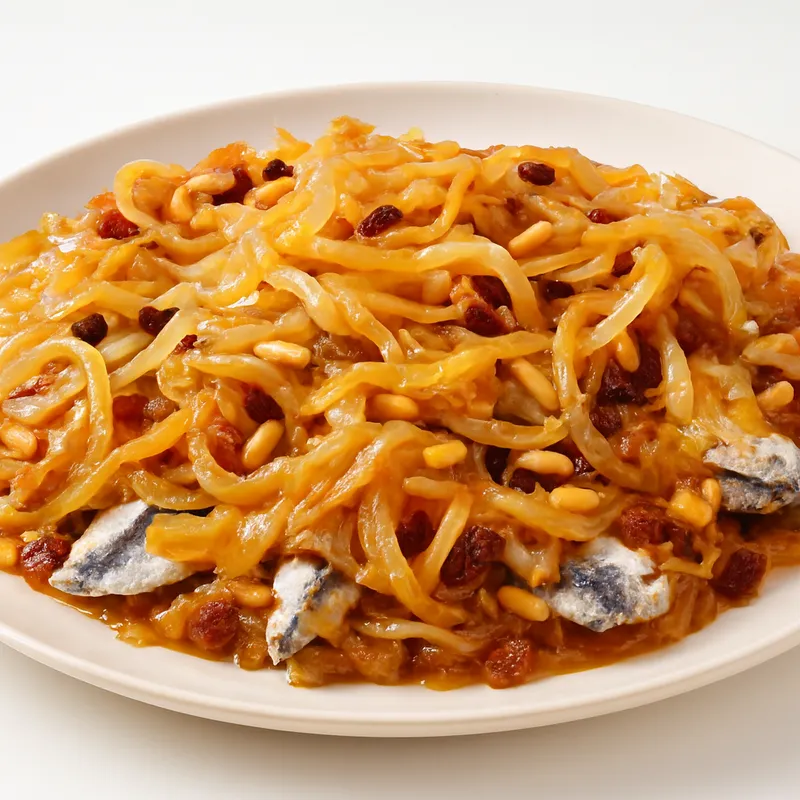
Rome's most primal pasta: ridged rigatoni dressed in a tomato sauce enriched by the braised small intestines of a milk-fed calf, whose retained milk curdles during cooking into a rich, cheese-like coating. A cornerstone of the cucina povera of the Testaccio slaughterhouse quarter.




Pajata belongs to Rome's 'quinto quarto' (fifth quarter) tradition: after the four prime cuts of a slaughtered animal were sold to the wealthy, the offal — organs, tripe, intestines — was distributed as wages to the workers of Rome's municipal slaughterhouse or sold cheaply in surrounding taverns. The Mattatoio di Roma, inaugurated in 1891 in the Testaccio district, gave the tradition its geographic home. The dish predates the slaughterhouse; 18th-century records of the offal market near Piazza Navona already document intestine vendors. In 2001, during the European BSE crisis, EU regulations banned bovine intestinal products, nearly eliminating the dish from restaurant menus. The restrictions were eased for Italian domestic consumption around 2015, and pajata cautiously returned to the trattorie of Testaccio.
The rigatoni ridges catch both tomato and yielding chunks of intestine in every forkful; the curd within gives a sudden creamy richness — like finding a pocket of soft cheese — set against the acid of the tomato and the sharp bite of pecorino romano.
The small intestine of the milk-fed calf retains partially digested milk rich in rennet enzymes secreted by the calf's abomasum. During low-temperature braising over 60–90 minutes, these enzymes cleave casein proteins, causing the milk proteins to aggregate into a semi-solid curd — the same biochemical process used in cheesemaking. The resulting curd melts into the tomato sauce, releasing fat and denatured casein that thicken and enrich the liquid. The tomato's natural acidity further promotes casein precipitation. Tying the intestines into rings preserves the curd inside the tube throughout the long cooking process.
Variations
Pajata arrosto: intestine rings grilled over charcoal without pasta, seasoned with salt and herbs; lamb intestine version using unweaned lamb, smaller and more delicate; the braising sauce served alone with rigatoni, omitting the intestine itself.
On the Palate
Where Rigatoni con la Pajata sits in the Italian flavor cloud
Ingredients
Serves 4


How it's made
7 steps · 30 min
- 115 min
Rinse the veal intestine sections on the outside only, leaving the milk contents inside; tie each piece into a ring with kitchen string to seal the ends.
Watch outRinse only the outside of the intestine and leave the milk sealed inside — that milk curdles into the curd that defines the dish; wash it out and there's nothing left.
- 210 min
In a heavy wide pan, render guanciale or lard until the fat runs; add finely diced onion, celery and carrot and soften over medium heat for 8 minutes.
- 35 min
Add the intestine rings and raise the heat; pour in dry white wine and stir until the alcohol has completely evaporated.
- 490 min
Stir in tomato passata; season with dried chilli, salt and pepper; cover and reduce heat to the lowest simmer; braise for 75–90 minutes until the intestine is very tender and the curd has merged into the sauce.
Watch outHold the lowest simmer 75-90 minutes until the intestine is very tender and the curd melts into the sauce — a hard boil bursts the rings and toughens them.
- 512 min
Boil rigatoni in generously salted water, cooking to 2 minutes shy of the packet time; reserve a ladle of pasta water.
- 65 min
Transfer the rigatoni directly into the sauce and finish cooking together over medium heat, adding pasta water as needed to keep the sauce loose and coating.
- 72 min
Plate and finish each bowl with a heavy hand of freshly grated pecorino romano.
Archive tool suggestions — not reviewed
These legacy suggestions have not been evidence-reviewed and are not presented as required tools.