
A Roman spring vegetable stew built on the three vegetables that briefly overlap at market in April and May — artichokes, fava beans and fresh peas — together with spring onions and shredded lettuce, most often started on a soffritto of guanciale. The vegetables are sweated and braised together in olive oil with a little water or white wine until tender and glossy, and frequently finished with mint. It is eaten warm or at room temperature as a contorno or a light primo, with bread to mop the pan, and is one of the defining dishes of the Roman spring.
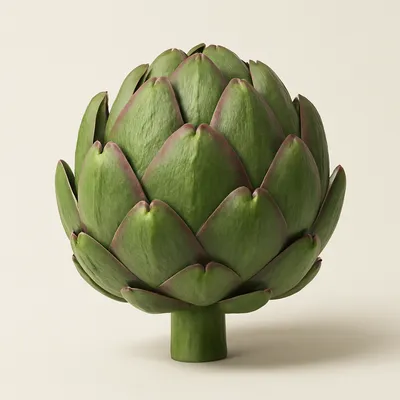
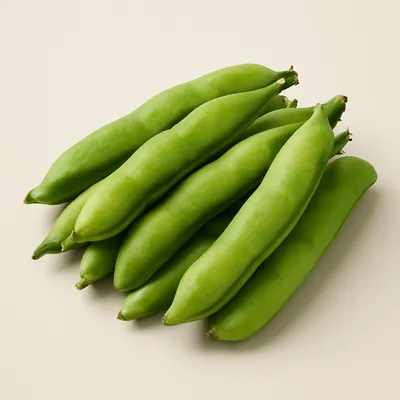

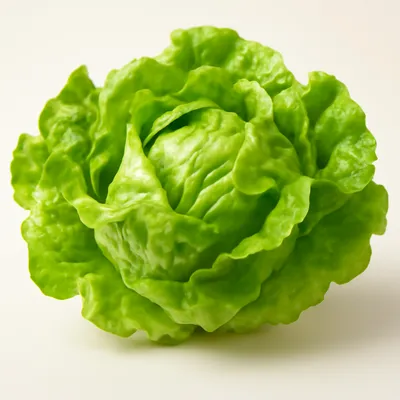

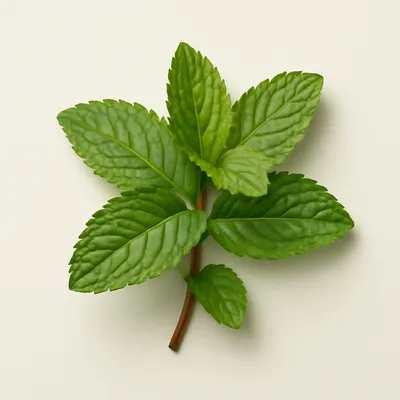
Vignarola is a classic of Roman and Lazio spring cooking, and exists only briefly each year, when its three pillars — artichokes, fava beans and peas — are all in season together, roughly April to late May. Its origin is local and undocumented, and the name is explained by several folk etymologies rather than a single recorded source: it is variously linked to the vignaroli, the Roman dialect word for the greengrocers who sold the unsold spring produce, and to the vineyard workers (and the vegetables grown between the vine rows) of the Castelli Romani hills south of Rome, who are said to have cooked such a dish from their gardens. All trace back to vigna, vine. What is certain is the seasonal logic of the dish: it is a celebration of the short overlap of Rome's spring vegetables.
A glossy tangle of green and pale vegetables, each still recognisable: artichoke wedges meltingly soft, fava beans and peas sweet and tender, spring onions silky, the lettuce just collapsed into the rest. The flavor is springlike and faintly bitter-sweet — the vegetal edge of artichoke and fava against the sweetness of peas and onion — made savory by the guanciale's salt and fat, and lifted by a clean note of mint. Slick with olive oil and the cooking juices, it is gentle and herbaceous. A good one is just-tender and bright; overcooked, it greys and turns to a dull, muddy stew, and the favas go mealy.
Each vegetable is added in turn according to how long it needs, so they all finish tender together: guanciale renders first to flavor the oil, then the spring onions soften, the artichokes go in to cook through, the favas and peas follow, and the quick-wilting lettuce and mint go in last. The whole is sweated gently under a lid in oil with just a little water or wine — braising and steaming rather than frying — which softens the vegetables and lets their flavors marry without browning. Cut artichoke is held in acidulated (lemon) water before cooking, because its phenolic compounds oxidise and brown quickly once exposed to air. Keeping the heat gentle and the cook short preserves the green color and the fresh, sweet spring flavor that long cooking would dull.
Variations
There are as many vignarole as there are Roman cooks. The constants are artichokes, favas and peas; the variables include whether to use guanciale or pancetta or to leave the meat out entirely for a vegetarian version, whether to finish with mint, and whether the braising liquid is water, white wine or a little vegetable broth. Some cooks shred and add the lettuce, others omit it; some keep it almost dry, others looser and more stew-like. It is served as an antipasto, a contorno or a light primo, and the same vegetables and pan juices are sometimes tossed through pasta or spooned over toasted bread.
On the Palate
Where Vignarola sits in the Italian flavor cloud
Ingredients
Serves 4


How it's made
7 steps · 35 min active + 10 min waiting
- 115 min
Trim the artichokes down to the tender hearts, slice into wedges, and drop into lemon water to stop them browning.
Watch outDrop the cut artichokes into lemon water at once — exposed to air the cut flesh oxidizes and browns fast.
- 210 min
Pod the fava beans and the peas, and slice the spring onions and the lettuce.
- 36 min
Render the chopped guanciale gently in olive oil, then add the spring onions and soften without colouring.
- 48 min
Add the drained artichokes with a splash of water or white wine, cover and cook until they begin to soften.
- 512 min
Add the favas and peas, season, cover and braise gently until all the vegetables are tender, adding a little water as needed.
Watch outAdd the vegetables in order and braise gently under a lid without browning — sweating them, not frying, is what lets the flavors marry and keeps everything tender.
- 63 min
Stir in the shredded lettuce and the mint and cook uncovered just until the lettuce wilts.
- 73 min
Check the seasoning and serve warm or at room temperature, with bread.
Archive tool suggestions — not reviewed
These legacy suggestions have not been evidence-reviewed and are not presented as required tools.


