
Baked Easter pastries of the Marche — half-moon parcels of egg pasta dough filled with pecorino, eggs, and lemon zest, lifted by a deliberate hint of sugar, brushed with egg, and vented with a small slit on top. The character is savoury-with-a-sweet-edge, not a dessert. They are the Easter table's pastry across the Maceratese, where they are calcioni, and the Ascolano, where the same thing is called piconi. Pecorino, fresh and aged, is the heart of the filling.
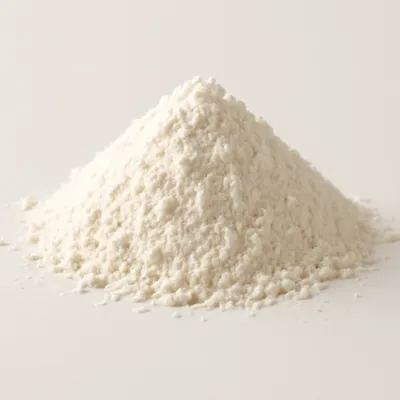

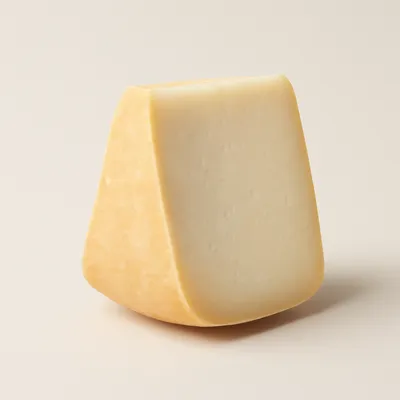
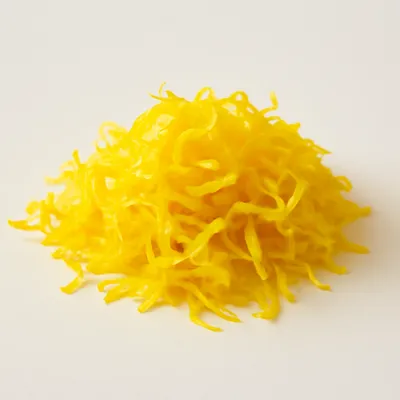


Calcioni are documented as a Marche Easter specialty, already widespread before Italian unification in 1861, though no single dated 'first' is recorded. The filling is generally pecorino in both fresh and aged forms, with eggs, lemon zest, pepper, and a little sugar — a savoury cheese pastry with a deliberate sweet edge. Despite a popular story linking the name to cacio (cheese), the documented etymology derives it from the southern Italian form of calzone, the folded stuffed pastry; the cheese derivation is folk etymology. The dialect form cauciuni and the variant cacioni are phonetic evolutions of calcioni. Italian sources name towns such as Arcevia, Serra San Quirico, Apiro, Cingoli, and Treia in the Macerata province, each with its own tweak; in the Ascolano the same Easter pastry goes by piconi.
Bite through a glossy, egg-washed shell into a warm cheese filling that is savoury first, with a quiet sweetness underneath and a bright thread of lemon. The pecorino gives a sharp, salty, sheepy depth; the eggs set it into a tender, soufflé-soft interior rather than a molten one. The pastry is thin and a touch firm, more like a baked raviolo than a flaky turnover. Eaten warm at the Easter table alongside hard-boiled eggs and salame, one or two are plenty rich.
The filling is a cheese custard: grated pecorino bound with whole eggs sets in the oven into a tender, just-firm interior, the eggs coagulating to hold the cheese and trap a little air so it stays soft rather than greasy. The small touch of sugar and the lemon zest cut the saltiness and the sheep-cheese funk, balancing the pastry on the line between savoury and sweet. The egg wash gives a deep golden gloss through Maillard browning, and the slit cut in the top vents steam so the parcel does not burst as the filling puffs. A pasta-style dough of flour, eggs, and oil bakes to a thin, sturdy shell that holds the filling without going flaky.
Variations
The savoury Easter pastry is the canonical form; fully sweet versions exist too, including ricotta-and-cocoa fillings, and the dish is variously eaten as a single course or a dessert. Across the region the cheese, the amount of sugar, and the dough fat shift town by town — caciotta or ricotta sometimes joining or replacing the pecorino, lard standing in for oil. In the Ascolano the same pastry is piconi. Some makers fry rather than bake, but the baked form is the documented norm.
On the Palate
Where Calcioni sits in the Italian flavor cloud
Ingredients
Serves 6

How it's made
7 steps · 45 min
- 120 min
Make a pasta-style dough of flour, eggs, oil, and salt; knead smooth and let it rest.
- 210 min
Grate the pecorino and mix with eggs, lemon zest, pepper, and a little sugar into a thick filling.
Watch outMix the pecorino with eggs into a thick filling — the eggs coagulate in the oven to set the cheese custard tender and hold a little air, so it stays soft rather than greasy.
- 38 min
Roll the dough thin and cut into discs.
- 412 min
Place a spoon of filling on each disc and fold into sealed half-moons.
- 55 min
Brush the tops with beaten egg and cut a small slit in each to vent.
Watch outEgg-wash the tops and cut a small slit in each — the vent lets steam escape so the parcel doesn't burst as the filling puffs.
- 625 min
Bake at around 180 degrees Celsius until puffed and deep golden.
- 75 min
Cool slightly and serve warm.
Archive tool suggestions — not reviewed
These legacy suggestions have not been evidence-reviewed and are not presented as required tools.


