
The Easter cake of Perugia: a ring-shaped sponge whose crumb is dyed a deep crimson by alchermes, the old spiced scarlet liqueur, then topped with a baked white meringue and a scatter of coloured sugar sprinkles. A cross of dough laid across the central hole marks it out as the Umbrian cake it is. It is made through Holy Week and given as an Easter gift, traditionally by young women to their fiancés. The red crumb, white meringue and bright sprinkles are fondly read as a hymn to Perugia and its districts — a beloved piece of folklore rather than documented fact.





Ciaramicola is the Easter cake of Perugia and the surrounding Umbrian country, made through Holy Week and traditionally given as a gift — most often, the story goes, by a young woman to her fiancé. It is a ring cake, a ciambella, whose batter is coloured a deep red by alchermes, a crimson liqueur historically tinted with the kermes insect and flavoured with cinnamon, cloves and nutmeg; over the baked ring goes a white meringue glaze and a scatter of coloured sprinkles, and a distinctive cross of dough is set across the central hole. The fond local reading — that the cake is a hymn to Perugia, its red, white and coloured parts standing for the city's heraldic colour and its five gate-districts — is beloved folklore, told in hedged terms and with the colour-to-district mapping varying from teller to teller, so it is best given as tradition rather than fact. The often-repeated claim that a ciaramicola was served at a Baglioni wedding in 1490 is likewise legend, framed in the sources with a conditional 'it is said'. What is firmly recorded is recent: the Accademia Italiana della Cucina set down the traditional recipe and lodged it with the Perugia Chamber of Commerce.
Cut a slice and the first surprise is the colour — a deep rosy-red crumb under a cap of crisp white meringue and coloured sprinkles. The cake itself is a soft, tender ciambella, lightly sweet and bright with lemon, carrying the warm, spiced, faintly boozy note of the alchermes — cinnamon and clove more than raw alcohol, since baking mellows it. Over it the meringue is sweet, crisp and lightly chewy, a sugary contrast to the gentle cake beneath, and the sprinkles add crunch and festivity. It is a cheerful, celebratory sweet rather than a rich one, made to be sliced and shared at the Easter table.
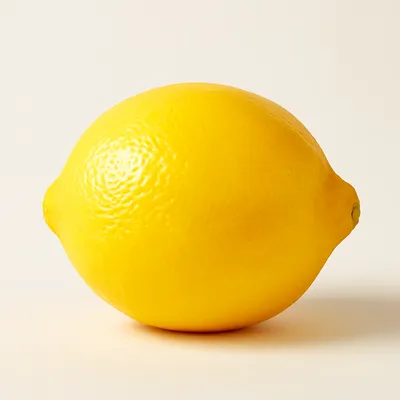
The alchermes does two jobs at once: it perfumes the crumb with its spice and gives the cake its signature crimson, the liqueur's deep red carrying through the batter and surviving the oven. The cross of dough across the central hole is not only symbolic — it braces the ring as it bakes and rises, helping the soft cake hold its open shape. The meringue topping is the real technical step: egg whites whipped with sugar trap air into a stable foam, which is spread over the part-baked or baked ring and set in the oven, the heat firming the foam into a crisp, dry white shell while the sugar keeps it from collapsing. Going back into the oven dries the meringue to a crackable crust rather than leaving it soft. The coloured sprinkles, added to the wet meringue, fix in place as it sets. Lemon zest brightens a cake that is otherwise gently sweet, and lard or butter in the dough keeps the crumb tender.
Variations
The dough is made with butter or with lard, both traditional, and bakers differ on how much alchermes goes in, which changes the depth of the red and the strength of the boozy-spiced note. The meringue may be baked crisp and dry or left a little softer, and the colour and mix of sprinkles vary from maker to maker — which is part of why the rioni-colour symbolism is told so many ways. Some shape the dough cross across the hole; smaller or simpler home versions skip it and make a plain ring. The ciaramicola should not be confused with the other great Umbrian Easter bake, the torta di Pasqua or torta al formaggio, which is a tall, savoury cheese bread eaten with salumi at the Easter breakfast — a different dish entirely. What sets the ciaramicola apart from any plain Easter ciambella is the trio of the alchermes-red crumb, the baked white meringue and the sprinkles.
On the Palate
Where Ciaramicola sits in the Italian flavor cloud
Ingredients
Serves 10

How it's made
7 steps · 30 min
- 18 min
Beat the eggs with sugar until pale, then work in softened butter or lard, lemon zest and a pinch of salt.
- 22 min
Pour in the alchermes and mix until the batter takes on its deep red colour.
Watch outMix in the alchermes until the batter takes on its deep crimson — that red is the cake's signature and it carries through the bake, so let it color fully.
- 34 min
Fold in the flour with the baking powder until you have a soft, smooth dough.
- 45 min
Shape into a ring on a lined tray, and lay a thin rope of dough across the central hole to form the cross.
Watch outLay the rope of dough across the central hole — it isn't just decorative; it braces the soft ring so it holds its open shape as it rises.
- 535 min
Bake in a moderate oven until risen and set and a skewer comes out clean.
- 68 min
Meanwhile whip the egg whites with sugar to a firm, glossy meringue; spread it over the warm baked ring and scatter with coloured sprinkles.
Watch outWhip the whites and sugar to a firm, glossy meringue before spreading — a slack foam won't hold its shape or set into that crisp white shell in the oven.
- 710 min
Return to the oven briefly to dry and lightly colour the meringue into a crisp white shell; cool before serving.
Archive tool suggestions — not reviewed
These legacy suggestions have not been evidence-reviewed and are not presented as required tools.


