
The breakfast pastry of Lecce and the wider Salento, a small oval shell of lard-rich shortcrust filled with warm pastry cream and baked until the top blushes deep gold. It is meant to be eaten hot from the oven, the crust just firm enough to hold a center that stays soft and custardy. Salentini take it with morning coffee, and many local bars are judged by little else. A black-cherry version with amarena is the common second face of the same sweet.

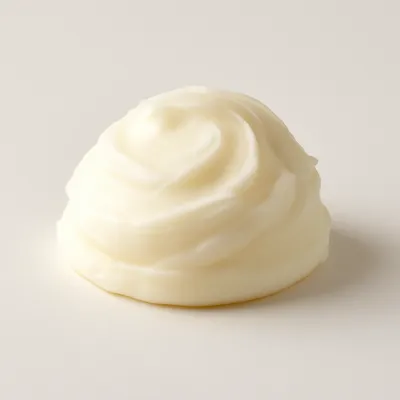



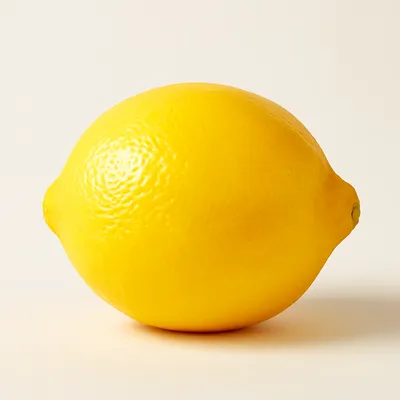
By long tradition the pasticciotto was born in 1745 in Galatina, in the province of Lecce, credited to the pastry maker Andrea Ascalone. The often-told story holds that Ascalone, short of money and left with only scraps of shortcrust and a little custard, pressed them into small molds rather than waste them, calling the rough little result a pasticcio, a mess, from which the name is said to come; this naming tale is local lore rather than documented fact. The recipe, kneaded with strutto (lard) rather than butter, has been kept by the Ascalone family ever since, and the pasticciotto is listed among Italy's traditional agri-food products (PAT).
Hot, the contrast is everything: a thin, sandy, faintly salty crust that crumbles cleanly, giving way to a still-loose center of vanilla-and-lemon pastry cream. The lard makes the pastry shorter and more savory than a butter crust, which keeps the sweetness in check. Eaten warm it almost spills; left to cool it sets firmer and loses much of its point.
Two techniques meet. The shortcrust is made with lard, which coats flour more thoroughly than butter and leaves almost no water, so the baked shell is tender and short rather than flaky, and sturdy enough to cradle a wet filling. The pastry cream is cooked thick on the stove, then sealed inside raw dough and baked hot and fast, so the crust colors and firms while the custard, shielded from direct heat, only just sets and stays creamy at the core. Egg wash on top drives the deep, even browning that marks a good one.
Variations
The classic is plain pastry cream; the amarena version tucks black-cherry preserve into the custard and is the most common variant. Some Salento bakers add lemon zest or a little cinnamon to the cream, and a larger sharing format called pasticciotto fondente or pasticcione exists. Round and other-shaped imitations turn up outside Lecce, but the traditional form is a small oval.
On the Palate
Where Pasticciotto Leccese sits in the Italian flavor cloud
Ingredients
Serves 8

How it's made
6 steps · 45 min active + 45 min waiting
- 120 min
Make pastry cream: whisk egg yolks with sugar, sift in flour, then cook with hot milk and lemon zest over low heat until thick; cover and cool.
Watch outCook the pastry cream thick on the stove — it must set fully here, because inside the sealed shell it only warms and won't cook further; a thin cream leaks and stays raw.
- 210 min
Rub lard into flour and sugar, bind with egg yolks to a smooth shortcrust, and chill the dough for about 30 minutes.
- 38 min
Roll the dough and line buttered oval molds, leaving a little overhang for the lids.
- 45 min
Pipe cooled pastry cream into each shell, stopping short of the rim.
- 55 min
Cap with a disc of dough, seal and trim the edges, and brush the tops with beaten egg.
- 625 min
Bake at 180 C for about 20 to 25 minutes until deep golden, and serve warm.
Watch outBake at 180 until deep and evenly golden — the egg-washed crust colors and firms while the shielded custard only just sets; pull it pale and the shell is underbaked.
Archive tool suggestions — not reviewed
These legacy suggestions have not been evidence-reviewed and are not presented as required tools.


