



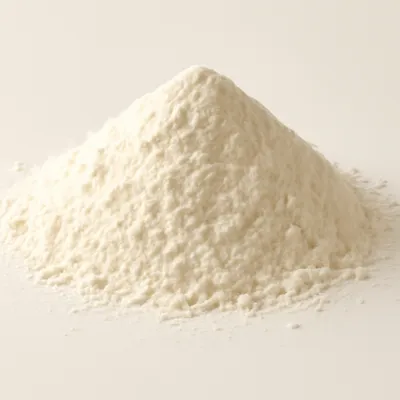
The Belfast bap is a large, round bread roll that is the signature bread of Belfast and one of the city's defining foods. Unlike the soft, floury baps found elsewhere in Britain, the Belfast bap is distinguished by its substantial size and, above all, by its hard, dark, cracked crust, often almost burnt on top, set against a soft, airy crumb within. The loaf is widely credited to the Belfast baker and philanthropist Bernard 'Barney' Hughes, who is said to have developed it in the 1840s during the Great Famine as a cheap, filling staple for the poor and for the city's growing population of linen-mill and shipyard workers. Before baking the crust is dusted with rice flour, which helps set and harden its characteristic crisp, cracked finish. The bap became the standard vehicle for the Ulster fry, with sausages, bacon, egg and potato farls stuffed inside while hot, and its size and rugged, flour-dusted crust set it apart from the softer British bap and the Scottish morning roll. It remains a fixture of Belfast bakeries and breakfast stalls.
A large, soft, pale roll, the crust dusted and matte, the crumb puffy and yielding, split and crammed with hot sausages, bacon, egg and potato farl. Eaten with both hands, warm; soft, filling, the bread barely containing the filling.
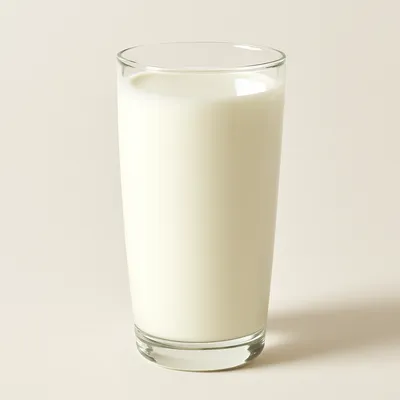
The Belfast bap is engineered for softness and size. A soft dough of strong flour, milk, butter, sugar, yeast and salt is made wetter than a typical bread dough, which gives the open, puffy crumb, and is enriched with milk and butter for tenderness. After a first prove, the dough is divided into large pieces, shaped into rounds with a cupped hand to keep surface tension, and proved a second time on a tray until very puffy. The signature step is a generous dusting of rice flour over the baps before baking, the rice flour does not contain gluten-forming proteins and so does not brown or crisp in the oven as wheat flour would, instead giving the crust its characteristic pale, matte, slightly dusty finish. The baps are baked at a moderate temperature, around 200 degrees C, in a steamy oven, the steam keeping the crust soft, and eaten fresh, split and filled. The size and softness mean a single bap is a meal in itself.
Variations
Modern bakery versions sometimes use a mix of rice and wheat flour for the dusting. The filling varies, but sausages, bacon and egg with a brown sauce is canonical. A smaller 'bap roll' is made for lighter portions.
On the Palate
Where Belfast Bap sits in the British flavor cloud
Ingredients
Serves 6How it's made
6 steps · 25 min
- 15 min
Warm 300ml milk with 50g butter and 2 tbsp sugar until melted; cool to lukewarm, then stir in 7g instant yeast.
- 28 min
Mix 600g strong white flour with 1.5 tsp salt, add the milk mixture, and mix to a soft, slightly wet dough; knead 8 minutes.
Watch outMix to a soft, slightly wet dough that's tacky to the hand — a stiff dry dough bakes tight and dense; the wetness is what gives the open puffy crumb.
- 36 min
Prove in an oiled bowl for 1.5 hours until doubled.
- 46 min
Divide into 6 pieces, shape each into a large round with a cupped hand, place on a lined tray well apart, and prove 45 minutes until puffy and joined.
Watch outProve until the rounds are puffy and just touching their neighbours — that soft join is the classic bap; underproved they bake tight and small.
- 57 min
Dust the tops generously with rice flour; bake at 200 degrees C for 20 to 25 minutes until puffed, pale and just set.
Watch outDust the tops thick with rice flour and bake only until pale and just set — rice flour won't brown, so a golden crust means it's overbaked and dried out.
- 64 min
Cool slightly on a rack; split, fill with hot sausages, bacon, fried egg and potato farls, and eat warm.
Archive tool suggestions — not reviewed
These legacy suggestions have not been evidence-reviewed and are not presented as required tools.

