A rich, dark fruit pudding of flour, suet, dried fruit and spice, tied in a floured cloth, the cloot, and boiled for hours until dense and rounded with a floury 'skin'. Scotland's festive answer to the English Christmas pudding.



The clootie dumpling is Scotland's great festive boiled pudding, named for the cloot, the Scots word for cloth, in which it is tied and boiled. It belongs to the same medieval family of suet-and-dried-fruit boiled puddings as the English Christmas pudding, but it is distinctively Scottish in its use of wheat flour and oatmeal together, in its heavy spicing, and in the characteristic floury skin that forms where the pudding meets the cloth. Traditionally made for Christmas, Hogmanay and Burns Night, the dumpling was a way to stretch flour, suet and dried fruit into a celebratory dish that would feed a household for days, the long boiling sterilising and preserving it. Tokens, a coin, a ring, a thimble, were wrapped in paper and hidden in the dumpling as fortune-telling favours for the children, a custom shared with the English plum pudding. Served hot with custard or, cold the next day, sliced and fried with bacon or in a frying pan with butter, the clootie dumpling remains a centerpiece of the Scottish festive table.
A dense, dark, moist dome with a distinctive floury pale skin where it met the cloth, the interior packed with dried fruit, suet and warm spice, sweet and richly spiced. Eaten hot with custard, or cold and fried in slices.
The cloot, the cloth, is the defining technique. A large square of cotton or linen is floured generously on one side, the flour coating forms the pudding's skin during boiling. The dumpling mix of flour, oatmeal, shredded suet, brown sugar, mixed spice, and a heavy hand of dried fruit and candied peel is bound with egg and a little milk to a soft dropping consistency, then either wrapped in the floured cloth, or traditionally the cloth is laid in a bowl, the mixture mounded in, and the cloth gathered and tied tightly with string, leaving room for the pudding to swell. It is lowered into a large pan of boiling water and boiled for 3 to 4 hours, kept submerged, the water never allowed to go off the boil. The long boil sets the flour and suet into a dense mass, plumps the fruit, and the flour on the cloth gelatinises into the characteristic pale skin. Once cooked it is unwrapped, the skin dried off, and served.
Variations
A teaspoon of bicarbonate of soda lightens the texture. Black treacle deepens the colour and flavour. Some add a grated apple for moisture. Cold leftovers are sliced and fried in butter for breakfast.
On the Palate
Where Clootie Dumpling sits in the British flavor cloud
Ingredients
Serves 8

How it's made
7 steps · 30 min
- 15 min
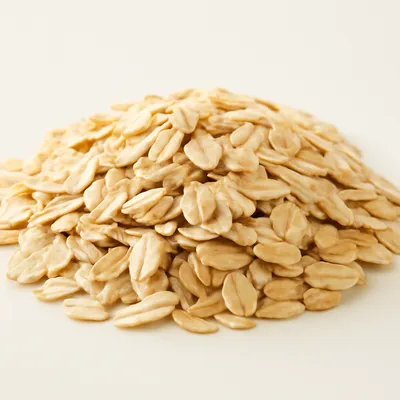
Mix 250g plain flour, 100g medium oatmeal, 150g shredded suet, 150g brown sugar, 1 tsp each of ground cinnamon, mixed spice and bicarbonate of soda, and a pinch of salt.
- 25 min
Stir in 300g mixed dried fruit, 50g chopped candied peel, 1 beaten egg and enough milk to make a soft dropping consistency.
- 35 min
Lay a large square of clean cotton cloth in a bowl, dust the inside generously with flour; mound the mixture in the centre, gather the cloth up and tie tightly with string just above the mixture, leaving room for it to swell.
Watch outDust the cloth generously with flour — that flour coating forms the pudding's skin, and a bare patch lets the mix stick and tear.
- 48 min
Lower the tied clootie into a large pan of boiling water, weight it with a plate to keep it submerged, and boil for 3.5 hours, topping up with boiling water as needed.
Watch outWeight it down so it stays fully submerged and boil the full 3.5 hours — a floating dumpling cooks unevenly.
- 54 min
Lift out carefully, untie, and peel back the cloth; the dumpling should have a pale, floury skin.
- 64 min
Dry the skin in a low oven, 120 degrees C, for 15 minutes, or rest it near the fire, the traditional method.
Watch outDry the skin in a low oven until it turns from wet to matte-floury — that dry skin is the mark of a proper clootie.
- 74 min
Serve hot in thick slices with custard, or cold the next day.
Archive tool suggestions — not reviewed
These legacy suggestions have not been evidence-reviewed and are not presented as required tools.


