
Slovenia's EU-protected signature dumpling from the mining town of Idrija — small hat-shaped pasta pillows (about 1.5-cm diameter) filled with potato, smoked bacon, marjoram, and chives. Each žlikrof is hand-pinched with three distinctive ridges (representing miners' hats). Boiled briefly, then served either with a meat sauce (bakalca lamb or rabbit stew) or with melted butter, breadcrumbs, and chives.

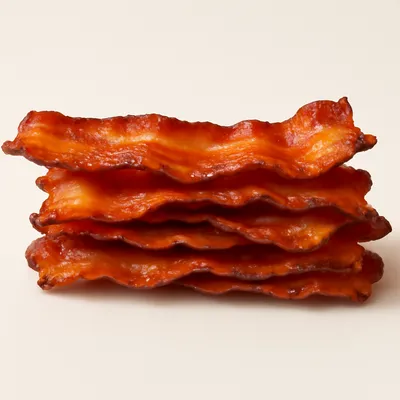

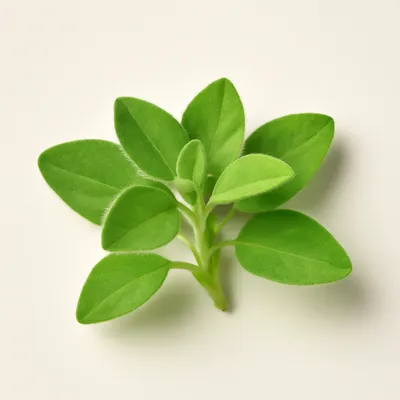
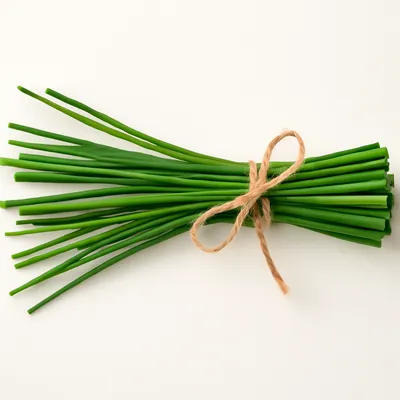

Idrijski žlikrofi has been famous in the mining town of Idrija since the mid-19th century. Mercury was discovered in a local stream in 1490, and Idrija grew into the world's second-largest mercury mine, bringing wealth and Italian-Austrian culinary influences over five centuries. The miners' wives are said to have developed the dish as a portable, calorie-dense lunch for long underground shifts — the potato-and-bacon filling provided sustained energy, and the dumpling shape is said to resemble a miner's hat (klobuk). The name 'žlikrofi' is of uncertain origin, possibly from the German Schlutzkrapfen/Schlichtkrapfen (a type of pinched dumpling), perhaps brought by German mining families, though the exact derivation remains a mystery. It was the first Slovenian dish to win EU food protection: granted national traditional-product status by Slovenia's Ministry of Agriculture in 2002, then registered as an EU Traditional Speciality Guaranteed (TSG) in January 2010 — a protection of recipe and method, not place of origin. About 50 tonnes are produced annually. The traditional sauce is bakalca — a lamb- or rabbit-and-vegetable stew that locals say 'walks beside' the žlikrofi (not on top of them). Idrija holds an annual žlikrofi festival.
Pick up a žlikrof — pearl-white pasta pillow with three distinctive ridges crowning the top, glistening with butter. Bite through the dough: it gives way with a slight chew, the inside reveals a creamy potato-and-bacon filling that's smoky and aromatic with marjoram. The chives' herbal-fresh note brightens the rich filling, the browned butter on top adds toasted-nutty depth, the breadcrumbs add a delicate crunch. Each žlikrof is meant to be eaten whole in one bite — the perfect ratio of dough-to-filling that takes 18th-century Idrija mining wives' wisdom to design.
The dough's high egg-yolk content makes it strong (the yolk's emulsifiers bind gluten) yet tender after boiling. Rolling it to 1 mm requires patience — too thick and the žlikrofi will be doughy. The filling's potato-to-bacon ratio (5:1) is essential — too much bacon makes it greasy, too little makes it bland. The three distinctive ridges aren't just aesthetic — they help the žlikrofi hold sauce in the grooves. Floury potatoes (not waxy) are essential for the smooth, creamy filling. The short boil (3-4 min) prevents the dough from becoming gummy.
Variations
Bakalca-sauced žlikrofi (traditional Idrija) — with lamb stew. Brown-butter žlikrofi (simpler version) — with toasted breadcrumbs. Truffle-cream žlikrofi (modern restaurant version) — Idrija is near Slovenia's truffle region. Wild-game žlikrofi sauced with venison ragù (winter version). Vegetarian žlikrofi with mushroom filling instead of bacon. Mini cocktail žlikrofi for fine dining.
On the Palate
Where Idrijski Žlikrofi sits in the Slovenian flavor cloud
Ingredients
Serves 4





How it's made
15 steps · 1 hour 20 min active + 40 min waiting
- 125 min
Make filling: boil 500 g floury potatoes (peeled, cubed) in salted water 20 min until tender. Drain; mash smooth.
- 214 min
In a pan, render 100 g finely-diced smoked bacon over medium heat 6 min until crispy. Add 1 finely-chopped small onion; cook 5 min.
Watch outRender the diced bacon slowly until the bits go crisp and the fat runs clear — that rendered fat carries the whole filling's flavor.
- 35 min
Combine mashed potato + bacon-and-onion mixture + 1 tbsp fresh marjoram (or 1 tsp dried) + 1 tbsp chopped chives + 1 tsp salt + 1/2 tsp black pepper + 1 tbsp melted butter. Mix well. Cool completely.
- 412 min
Make dough: combine 400 g all-purpose flour + 4 large egg yolks + 1 tbsp olive oil + 1/2 tsp salt + 130 ml warm water. Knead 10 min until smooth and elastic.
- 532 min
Cover; rest 30 min.
- 68 min
Roll dough into a very thin sheet (1 mm) on a floured surface. (Use a pasta machine if available.)
Watch outRoll the sheet down to a bare 1 mm — anything thicker and the žlikrofi turn gummy and heavy once boiled.
- 74 min
Cut the sheet into 2-cm squares (or use a round cutter for circles).
- 86 min
Roll cooled filling into small balls (5 mm diameter, about 2 g each).
- 918 min
Place a filling ball in the center of each dough square. Bring up the corners; press to seal.
Watch outPress the dough shut all around the filling with no trapped air — a sealed pocket won't burst open in the boiling water.
- 1022 min
Form the hat shape: pinch the dough around the filling, creating three distinctive ridges that radiate from the top (the 'miner's hat' look).
- 118 min
Place finished žlikrofi on a floured tray; cover with a kitchen towel. Repeat until all dough and filling are used (yields ~80 žlikrofi).
- 1270 min
Make bakalca sauce (optional): in a pan, brown 400 g cubed lamb shoulder in 2 tbsp oil. Add 1 chopped onion + 1 chopped carrot; cook 5 min. Add 1 tbsp tomato paste + 1 tsp paprika + 200 ml white wine + 200 ml lamb stock + 1 bay leaf. Simmer 60 min until tender.
- 135 min
Bring a large pot of salted water to a boil. Drop žlikrofi in (batch of 20-30); cook 3-4 min until they float and dough is tender.
Watch outPull them the moment they bob to the surface, about 3-4 min — over-boiling makes the thin dough slimy.
- 142 min
Drain; transfer to warm plates.
- 153 min
Serve: spoon bakalca sauce alongside (not over). Or, for simpler version, drizzle 50 g browned butter and sprinkle 2 tbsp toasted breadcrumbs and 1 tbsp chopped chives.


