
Slovenia's EU-protected (PGI) Carniolan sausage — pork-and-bacon sausages (about 200-220 g each, in pairs) seasoned with garlic, salt, and black pepper only, smoked over beech wood, then poached gently in water. Served whole with mustard, fresh horseradish, and dark bread. The sausage shape is distinctive: two short, plump fingers connected by a string. The flagship product of the former Duchy of Carniola.

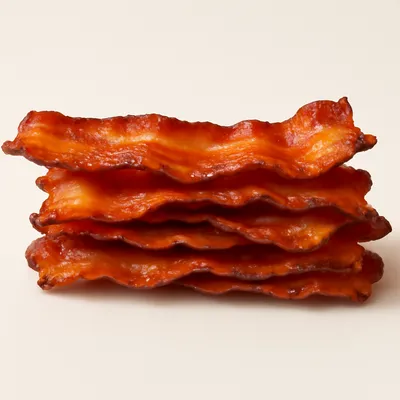




Kranjska klobasa (literally 'Carniolan sausage') is named after the Duchy of Carniola (Kranjska in Slovene, Krain in German), a duchy of the Austrian Empire and, from the 15th century, the central province of the Slovenian lands; the recipe was perfected by butchers in the Gorenjska region. In documented sources, it appears in Katharina Prato's German cookbook Süddeutsche Küche (1896), while the Slovene term 'kranjska klobasa' was first recorded in the sixth edition of Felicita Kalinšek's Slovenska kuharica (1912). In January 2015 it was registered as an EU Protected Geographical Indication (PGI), over objections from Austria, Croatia, and Germany — only sausages made in Slovenia to the specific spec (about 75–80% lean pork, at most 20% bacon, at most 5% added water, seasoned only with Sečovlje sea salt, garlic, saltpetre, and black pepper) can be called kranjska klobasa. It became a global ambassador for Slovenia after Slovenian-American immigrants brought it to Ohio and Pennsylvania (where it's called 'Cleveland kielbasa' and served at football games). In December 2006 it flew to the International Space Station aboard Space Shuttle Discovery (mission STS-116) as a Christmas gift to NASA astronaut Sunita Williams, whose mother was Slovene-American (née Zalokar) — making it the first Slovenian dish to reach orbit. Modern Slovenian families eat it for breakfast (with eggs), lunch (with sauerkraut), or as a snack with rakija. It's the centerpiece of every football match, family picnic, and St. Martin's Day feast.
Slice into a kranjska klobasa — the casing has a slight snap, the interior is coarsely-ground pink-and-white meat with visible bacon fat bits, beech-smoke aroma rising. First bite: the casing's snap gives way to a juicy, slightly-crumbly meat texture (the coarse 8-mm grind is distinctive — finer-ground sausages don't have this character). The flavor is pure smoked pork with garlic-and-pepper warmth — no fillers, no flavors, no hiding behind spices. Mustard's tang cuts the rich fat; horseradish adds nasal heat; dark bread soaks any juices. With rakija and a beer, this is the Slovenian football-watching ritual.
The 75:25 pork-to-bacon ratio is critical — too lean and the sausage is dry, too fatty and it's greasy. The semi-frozen grind keeps the bacon fat from smearing (smeared fat coats the meat = greasy texture). The 5-minute mixing develops myosin protein (salt-solubilized) that binds the batter and gives the sausage its characteristic snap. The 12-24-hour drying before smoking is essential — a dry casing absorbs smoke evenly, while a wet one smokes patchily. Cold-smoking over beech wood (not oak or hickory) gives the distinctive Carniolan flavor — beech smoke is milder and sweeter. Poaching at about 80°C (not boiling) keeps the fat from rendering out violently and the casings from bursting, so the interior stays juicy.
Variations
Smoked-paprika kranjska klobasa (Štajerska variation). Caraway kranjska klobasa (older recipe). Mini kranjska klobasa (kočevarska) for tapas. Hot-smoked kranjska klobasa for grilling at football matches. Vegetable-stuffed accompaniment variations: sauerkraut, štajerska sour turnips, mashed-bean-and-onion, or hot-pickled cabbage. Cleveland kielbasa (Slovenian-American version, modified). NASA space kranjska klobasa (modified for zero-gravity, 2007).
On the Palate
Where Kranjska Klobasa sits in the Slovenian flavor cloud
Ingredients
Serves 6




How it's made
15 steps · 1 hour 30 min active + 2 hours 30 min waiting
- 14 min
Source ingredients: 750 g lean pork shoulder + 250 g cured back bacon (preferably from a small farm — quality is essential).
- 235 min
Cube both meats into 1-cm pieces. Spread on a tray; freeze 30 min (semi-frozen meat grinds cleaner).
- 38 min
Grind through a coarse plate (8 mm) once.
- 48 min
In a large bowl, combine ground meat + 4 minced garlic cloves + 18 g sea salt + 1 tbsp coarse black pepper + 50 ml ice water + 2 g curing salt (sodium nitrite, optional, for color and shelf life).
- 58 min
Mix with hands or a stand mixer (paddle attachment) for 5 min until the mixture becomes sticky and well-bound (the myosin protein develops, giving the sausage its characteristic snap).
Watch outMix until the batter turns sticky and clings to your hand in one mass — that tack means the myosin has bound it for the snap.
- 632 min
Soak natural hog casings (32-36 mm diameter) in warm water for 30 min.
- 74 min
Fit a stuffing horn on a sausage stuffer; thread the casing onto the horn.
- 816 min
Stuff the casing firmly with the meat mixture (avoid air pockets). Twist every 14 cm to form individual sausages, alternating direction every other twist.
- 94 min
Tie pairs together: each kranjska klobasa is sold and served as a pair, connected by a string at the top.
- 10720 min
Hang the sausages on rods in a cool place (10-15°C) for 12-24 hours to dry — this is essential for smoke absorption.
Watch outThe casing should feel dry and slightly tacky to the touch before it goes to smoke.
- 11300 min
Cold-smoke over beech wood at 18-22°C for 4-6 hours (or hot-smoke at 60-70°C for 90 min for faster home version).
- 128 min
To cook: bring a pot of water to 80°C (just below simmer). Add sausages.
- 1322 min
Poach 20-25 min — never boil hard, or the casings will split.
Watch outKeep the water still with only tiny bubbles at the bottom; if it starts to roll, pull it off the heat.
- 143 min
Remove; rest 3 min.
- 154 min
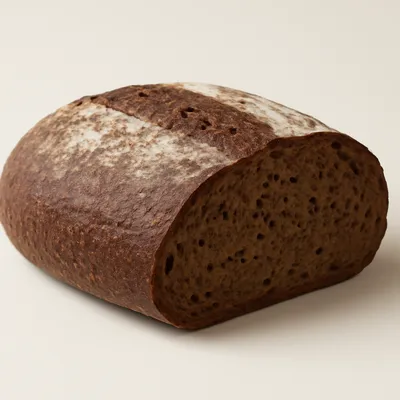
Serve whole on a plate with: 1 tbsp grainy mustard, 1 tbsp freshly-grated horseradish, dark rye bread, sauerkraut, and a small glass of rakija.


