
Slovenia's Prekmurje regional goulash — a thick, paprika-rich stew of three meats (beef, pork, and game like venison or wild boar) slow-cooked in a heavy iron kettle (bográcz) over an open fire, with paprika, onion, garlic, tomato, potato, and red wine. The dish takes its name from the kettle (Hungarian bográcz). The Pannonian-plain dish that bridges Slovenian and Hungarian cuisines.




Bograč is the iconic dish of Prekmurje — Slovenia's northeastern region, separated from the rest of the country by the Mura River, with a distinct Hungarian-influenced culinary tradition. Long part of the Kingdom of Hungary, Prekmurje joined the Kingdom of Serbs, Croats and Slovenes in 1919 (the border drawn along the Mura–Raba watershed), confirmed by the Treaty of Trianon in 1920. The name 'bograč' is borrowed directly from the Hungarian 'bogrács', meaning an iron kettle hung by a chain over a tripod; by one account it traces further to the Turkish 'bakraç', a relic of Ottoman incursions into Pannonia. By legend the dish arose at shepherds' gatherings, where each brought meat from his own animal and an onion, all cooked in one bogrács with wine from wooden flasks. The three-meat tradition is essential: authenticity requires at least three meats (beef, pork, game), which is why it is sometimes called 'goulash with a twist' (Hungarian gulyás traditionally uses only beef). Each February, Lendava's Bogračfest sees scores of teams cook over open fires — 126 kettles in 2025 — and in 2022 Lendava set a Guinness World Record for the largest bograč at 1,801 kg. The dish is best the next day, after the flavors have melded.
Spoon up bograč — chunks of three different meats (the beef chunkier and chewy, the pork tender and yielding, the venison firmer and gamy) bobbing in a deep-red, paprika-stained, glossy stew with potato chunks and bell-pepper strips. First taste: paprika hits first (sweet, slightly-smoky, with the hot-paprika lingering background warmth), then the trio of meats reveals itself — each meat distinct yet harmonized by the long cook. The red wine adds depth; the caraway and marjoram add herbal complexity. A spoonful of sour cream cools the heat. With Modra Frankinja red wine and dark bread, this is Prekmurje's Pannonian heart in a bowl.
The three-meat blend is essential — beef provides body, pork provides fat-and-tenderness, game provides depth and gamy complexity. Browning each meat separately develops Maillard compounds that give the stew its signature savory depth. Cooking the onions for 15-20 min until very soft creates the sauce's body — undercooked onions give a thin sauce. Adding paprika off-heat prevents it from burning (paprika burns at 145°C, turning bitter). The long simmer (2+ hours) breaks down the tough meats and melds the flavors. Adding potatoes and peppers later preserves their texture.
Variations
Vegetarian bograč uses three mushroom types (porcini, chanterelle, oyster) instead of three meats. Two-meat bograč (city version) uses only beef and pork. Lamb-and-game bograč (winter hunting version). Fisherman's bograč (Mura riverside) uses three fish (carp, catfish, pike). Single-meat bograč is technically goulash and disqualified from the Bogračfest. Modern restaurant version garnishes with smoked paprika oil and edible flowers.
On the Palate
Where Bograč sits in the Slovenian flavor cloud
Ingredients
Serves 8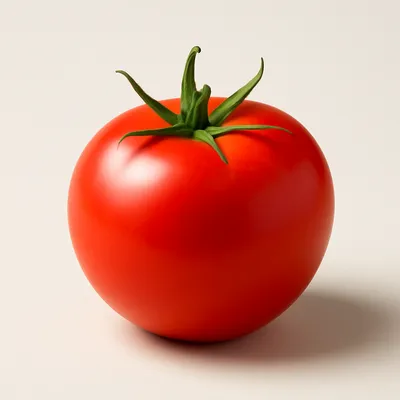






How it's made
15 steps · 50 min active + 2 hours 40 min waiting
- 110 min
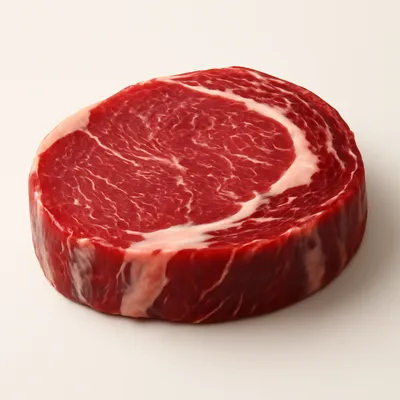
Cube three meats into 3-cm pieces: 500 g beef chuck + 500 g pork shoulder + 500 g venison (or wild boar, or substitute beef stew meat). Season with 2 tsp salt + 1 tsp black pepper.
- 25 min
In a heavy 6-L pot (ideally cast iron over a wood fire, otherwise a Dutch oven on a stove), heat 4 tbsp lard (or oil) over medium-high heat.
- 318 min
Brown the meats in batches: cook each batch 4-5 min per side. Transfer browned meat to a bowl.
Watch outLet each batch of meat sit undisturbed until a dark crust forms before turning — crowd or rush the pan and it steams grey instead of browning.
- 418 min
In the same pot, add 3 large finely-chopped onions. Cook 15-20 min over medium heat until very soft and golden — this is essential for sauce body.
Watch outCook the onions all the way to soft and golden, the full fifteen-plus minutes — this is the stew's body, and rushing it leaves the sauce watery.
- 52 min
Add 6 minced garlic cloves; cook 1 min.
- 62 min
Off heat (critical — prevents paprika burning), add 3 tbsp sweet Hungarian paprika + 1 tsp hot paprika; stir to coat the onions.
Watch outStir the paprika in off the heat — dropped into a screaming pan it scorches in seconds and turns the whole pot bitter.
- 74 min
Return to heat; add 200 ml red wine. Scrape up browned bits. Reduce 2 min.
- 85 min
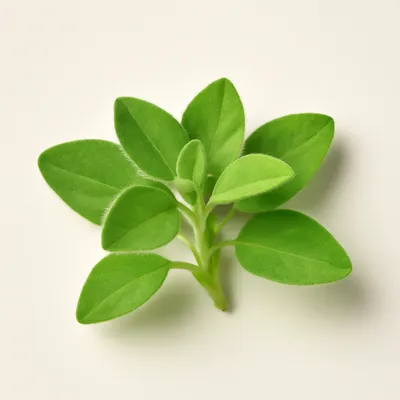
Add 400 g chopped tomatoes (or 1 can crushed tomatoes) + 2 bay leaves + 1 tsp caraway seeds + 1 tsp marjoram + 1 tbsp tomato paste + 1 L beef stock.
- 94 min
Return browned meats to the pot. Bring to a simmer.
- 1095 min
Cover; cook over low heat (or gentle wood-fire embers) for 90 min, stirring occasionally.
- 118 min
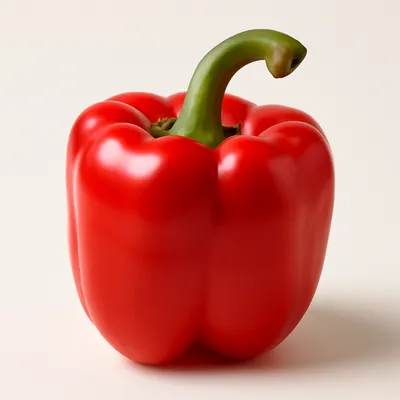
Add 600 g peeled and cubed potatoes (2-cm cubes) + 2 chopped red bell peppers + 1 chopped green bell pepper.
- 1238 min
Continue cooking 30-45 min until potatoes are tender and meats are fall-apart.
Watch outDone when the potatoes give to a fork and the meat pulls apart on its own — if the meat still resists, give it more low, slow time.
- 133 min
Taste; adjust salt. Add a splash more red wine if desired.
- 147 min
Optional: make small csipetke dumplings (Hungarian pinched pasta): combine 100 g flour + 1 egg + pinch salt; pinch off small pieces and drop into the stew in the last 5 min.
- 155 min
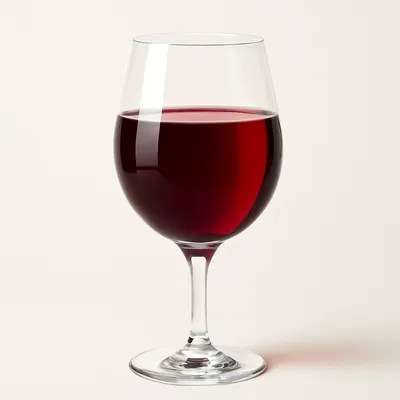
Serve in deep bowls with: dark bread, sour cream, chopped fresh parsley, and a glass of Slovenian Prekmurje red wine (Modra Frankinja).


