
Namibia's German-Khoisan stew — cubes of oryx, kudu, or springbok slow-braised with paprika, onion, garlic, caraway, and tomato into a deep-red Hungarian-style goulash, then enriched with sour cream at the end. The German-colonial heritage filtered through African game meat. Served with potato dumplings, spaetzle, or thick brown bread. The Swakopmund and Lüderitz coastal-town favorite.


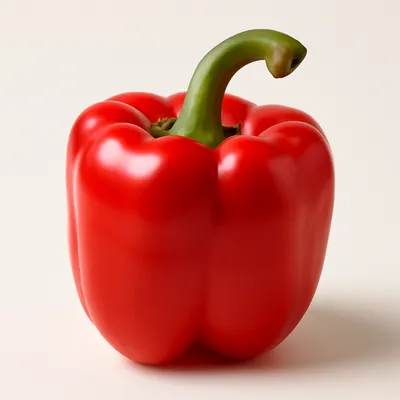
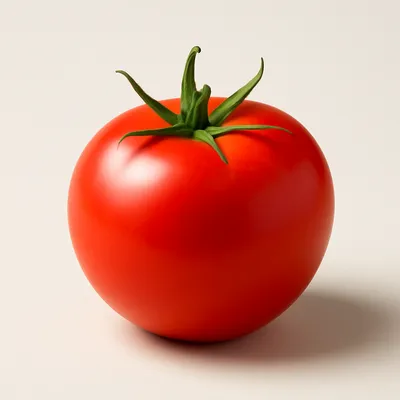


Namibia was the German colony of South-West Africa (1884-1915), and the German culinary heritage runs deep, particularly in coastal Swakopmund and Lüderitz. Goulash (gulaschsuppe) traveled from Hungary through Austria-Germany to Namibia, where it met abundant game meat. Local cooks substituted the traditional beef for oryx or kudu, which take well to the slow braise. The dish is on every Swakopmund hotel menu (the historic Hansa Hotel has served it since 1905) and at the Namibian-German Christmas markets in December. Brewery beer (Windhoek Lager, made to German purity laws) accompanies the dish — the connection between Bavarian heritage and Namibian terroir.
Spoon up Namibian game goulash over spaetzle — deep red-brown stew with chunks of game meat, soft potato, and bell pepper, glossy with paprika and sour-cream swirl. First bite: the oryx (or kudu) is fall-apart-tender, the paprika is deeply fragrant and slightly smoky, sour cream cools the heat, caraway adds whisper of anise. The German technique applied to African game gives the dish complexity neither cuisine can manage alone. With cold Windhoek beer, this is Namibia's colonial-and-contemporary plate.
Goulash's signature deep-red color and warm complexity come from paprika's carotenoids and capsaicin — but paprika is heat-sensitive. Even 5-10 minutes at 80-100°C degrades 20-53% of its carotenoids and forms bitter pyrazine compounds, ruining both color and aroma. So the off-heat-stir technique is used: stir paprika into a hot but not boiling base, letting the fat extract its pigments around 100-120°C before adding liquid. (Capsaicin, by contrast, is fairly heat-stable — it is the delicate carotenoids that turn bitter.) The long simmer then hydrolyzes the game meat's tough collagen into gelatin, the strong-flavored meat absorbing paprika and spice. Sour cream added off-heat adds richness without curdling — its protein denatures and curdles at boiling temperatures.
Variations
Beef version uses chuck — simpler and more accessible. Pörkölt (drier Hungarian style) uses less liquid and is more stew than soup. Spicy goulash adds 2 tsp cayenne for adventurous palates. Mushroom-vegan version uses portobello and omajova mushrooms in lieu of meat — surprisingly meaty. Crockpot version cooks 8 hours on low for hands-off Sunday meal.
On the Palate
Where Namibian Game Goulash sits in the Namibian flavor cloud
Ingredients
Serves 6

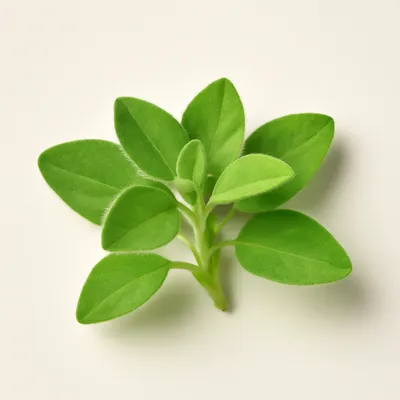






How it's made
13 steps · 1 hour active + 2 hours waiting
- 110 min
Cube 1.4 kg game meat (oryx, kudu, springbok) or beef chuck into 4-cm pieces. Pat dry; season with 1.5 tsp salt + 1 tsp pepper.
- 216 min
In a heavy Dutch oven, heat 3 tbsp lard (or sunflower oil) over medium-high heat. Brown the meat in batches 4-5 min per batch. Remove.
- 313 min
Reduce heat to medium. Add 3 large chopped onions; cook 12 min until deeply golden — this is the goulash secret.
Watch outCook the onions a full twelve minutes to deep gold before anything else goes in — this slow browning is the goulash's backbone of sweetness.
- 42 min
Add 6 minced garlic cloves; cook 1 min.
- 51 min
Remove from heat. Add 4 tbsp sweet Hungarian paprika + 1 tsp smoked paprika + 1 tsp caraway seeds + 1 tsp dried marjoram. Stir 30 seconds (off-heat — paprika burns above 90°C and turns bitter).
Watch outPull the pot off the heat before stirring in the paprika, then stir just half a minute — paprika scorches in a hot pan and turns bitter, killing both color and aroma.
- 63 min
Return to medium heat. Add 2 tbsp tomato paste; cook 2 min.
- 76 min
Add 1 chopped red bell pepper + 1 chopped green bell pepper; cook 5 min.
- 85 min
Add 400 g chopped tomatoes + 1 L beef stock + 1 bay leaf + 1 tsp salt. Return the meat.
- 9105 min
Cover; reduce heat to low. Simmer 90-120 min until the meat is fork-tender and the sauce is deep-red and thickened.
- 1030 min
Add 4 quartered baby potatoes in the last 30 min of cooking.
- 113 min
Off heat, stir in 200 ml sour cream and 2 tbsp chopped parsley. Do not boil after adding sour cream — it will curdle.
Watch outStir the sour cream in off the heat and never let it boil again — a rolling boil splits it into curds and greys the sauce.
- 122 min
Taste; adjust salt and add a splash of red wine vinegar for brightness.
- 134 min
Serve hot with spaetzle, potato dumplings, or thick brown bread. With cold Windhoek Lager.


