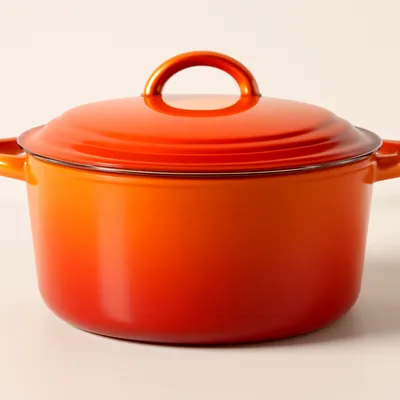
Venezuelan slow-braised beef roast with a deep mahogany-black sauce — sugar caramelized to brink-of-burnt, deglazed with red wine, simmered with beef-bone broth, onions, tomato, and warming spices until the meat falls apart and the sauce is glossy obsidian. Sunday lunch in coastal Venezuelan homes.



Asado negro is an emblem of Caracas criollo cooking, and the story most often told about it is a kitchen accident: a cook is said to have scorched a tough cut of eye of round (muchacho redondo), and rather than throw it out, rescued it with papelón, red wine and a pot of vegetables — the mistake becoming a celebrated dish. The colonial-era name 'negro' (black) comes from its dark, burnt-looking exterior; that blackness is the color of cane sugar caramelized to the brink of bitterness, not actual char.
Slice into the asado negro — the meat is fork-tender and silken, the glossy black sauce coating each slice with a complex sweet-bitter-savory depth. Spoon a bit of rice into the sauce; the contrast against soft fried plantain is the heart of Venezuelan Sunday lunch.
Caramelizing the papelón (raw cane sugar) to just-below-burnt drives off almost all its sweetness and generates deep, near-black caramel-and-bitter compounds — these give the meat its signature dark color and a flavor that runs well past sweet. A long slow braise then melts the collagen to gelatin so the beef turns fork-tender; the acidity of red wine and tomato balances the residual sweetness of the sugar, reducing the sauce to a glossy, thick, sweet-savory gravy with a faintly bitter finish.
Variations
Asado Negro Costeño (coastal version, with coconut milk for a rounder sauce). Asado Negro Andino (Andean version, lighter on the sweetness). Pernil Negro (whole pork shoulder in the black sauce). Lengua en Asado Negro (with slow-braised beef tongue).
On the Palate
Where Asado Negro sits in the Venezuelan flavor cloud
Ingredients
Serves 6


How it's made
8 steps · 45 min active + 3 hours 15 min waiting
- 15 min
Prep: tie a 1.5 kg beef chuck or eye-of-round roast tightly with kitchen string. Season generously with salt and pepper.
- 210 min
In a heavy Dutch oven, melt 1 cup brown sugar with 2 tbsp oil over medium heat. Cook until sugar turns dark amber and just begins to smoke (8-10 min).
Watch outWatch the color, not the clock — the sugar is ready the second it goes dark mahogany and wisps of smoke rise; it turns from perfect to burnt in seconds.
- 310 min
Add roast to the caramel; brown all sides 8 min, building a deeply-blackened crust.
Watch outThe roast should pick up a genuinely blackened crust in the caramel; that dark shell is the dish's signature color.
- 46 min
Add 2 chopped onions, 4 minced garlic, 1 chopped bell pepper, 2 chopped tomatoes. Cook 5 min until onions soften.
- 54 min
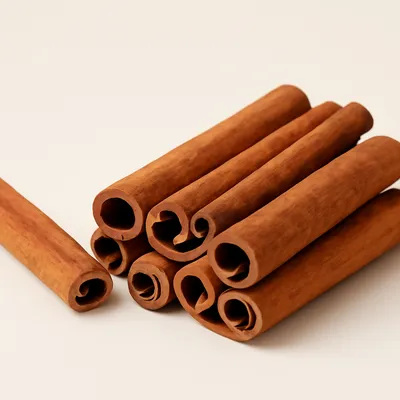
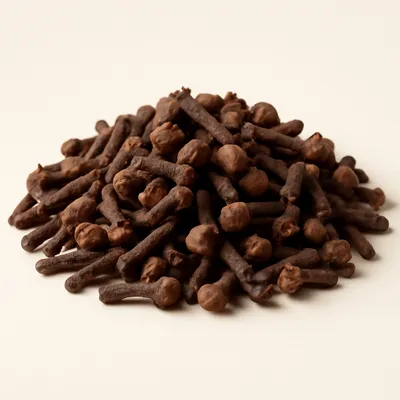
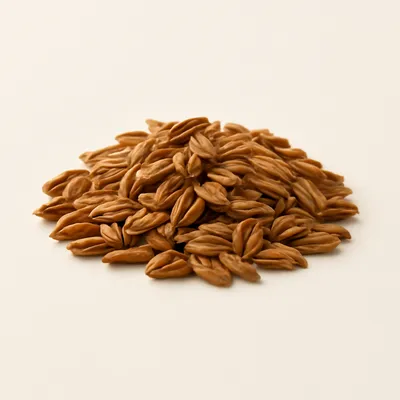
Pour in 1 cup dry red wine, 2 cups beef stock, 2 bay leaves, 1 tsp cumin, 1 cinnamon stick, 4 whole cloves, 1 tbsp Worcestershire.
- 6180 min
Cover and braise 3 hours over very low heat (oven at 150°C works too), turning roast every 45 min.
Watch outKeep the braise at a lazy bubble; the surface should barely move, or the meat dries and the sauce reduces too fast.
- 720 min
Remove roast; rest 10 min. Strain sauce, reduce 10 min until glossy.
Watch outReduce the strained sauce until it coats the back of a spoon and turns glossy — that sheen means it'll cling to the meat.
- 85 min
Slice roast against the grain. Plate with rice or fried sweet plantain; pour glossy black sauce over.
Archive tool suggestions — not reviewed
These legacy suggestions have not been evidence-reviewed and are not presented as required tools.