
Venezuelan fresh-corn pancake — kernels of tender sweet corn ground into a thick, juicy batter with a little sugar and salt, griddled until golden, folded around a slab of soft fresh white cheese (queso de mano) until it melts inside. A roadside-stall breakfast or snack across Caracas and the Llanos.


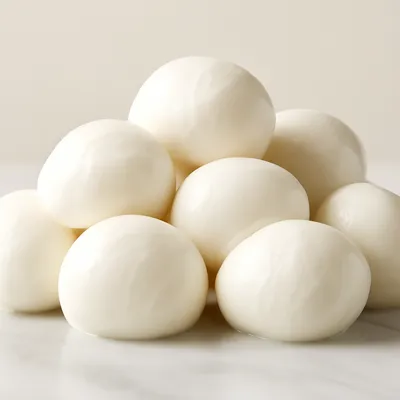


Cachapa is rooted in corn — Venezuela's pre-Hispanic kitchens already cultivated and griddled it, and this fresh-corn pancake is one such tradition; the word "cachapa" is said to come from the indigenous Cumanagoto language, meaning "tender corn." It spread through the central region and is most beloved across the Llanos plains, where roadside griddles work overtime during the August–September corn harvest. Folding it over a slab of soft fresh white cheese (queso de mano) — the addition that lent the plain pancake its milky, salty savor — became the custom along the Caribbean coast, turning a simple pancake into a cherished meal.
Bite — the pancake is sweet and dense with the pop of whole corn, the melted cheese stretches and salts each mouthful. Pure Llanero pleasure, no cutlery needed.
Fresh corn's natural sugars caramelize on the hot griddle; the starch in the ground-corn batter gelatinizes just enough to bind and hold its shape without any added flour, so no flour-flavor intrudes. Folded in half, the pancake's residual heat melts the cheese from the inside.
Variations
Cachapa con Queso de Mano (the classic, with melted soft white cheese). Cachapa con Cochino Frito (with crispy fried pork against the soft melted cheese). Cachapa con Nata (with thick cream).
On the Palate
Where Cachapa sits in the Venezuelan flavor cloud
Ingredients
Serves 4How it's made
7 steps · 25 min active + 5 min waiting
- 13 min
Cut kernels from 5 ears of fresh sweet corn (about 4 cups kernels).
- 24 min
Blend corn with 1/2 cup whole milk, 2 tbsp sugar, 1/2 tsp salt, 2 tbsp masarepa or flour to thicken slightly. Pulse to a coarse batter.
Watch outBlend just to a coarse batter with bits of kernel still visible — puree it smooth and the cachapa turns gummy instead of tender.
- 32 min
Heat a non-stick skillet or comal over medium-high. Brush with a bit of butter.
- 41 min
Pour 1/3 cup batter; spread into a 15cm round, 1cm thick.
- 57 min
Cook 4 minutes until edges are dry and underside is golden. Flip; cook 3 minutes more.
Watch outFlip only once the edges look dry and the underside is golden — lift too early and the soft batter tears apart.
- 63 min
Place a thick slice of queso de mano (or mozzarella) on half the cachapa; fold the other half over to enclose.
- 72 min
Press lightly until cheese begins to melt. Serve warm with a drizzle of butter and crema.
Watch outFold and press just until the cheese starts oozing at the seam — the folded-in heat melts it from within, no extra cooking needed.
Archive tool suggestions — not reviewed
These legacy suggestions have not been evidence-reviewed and are not presented as required tools.
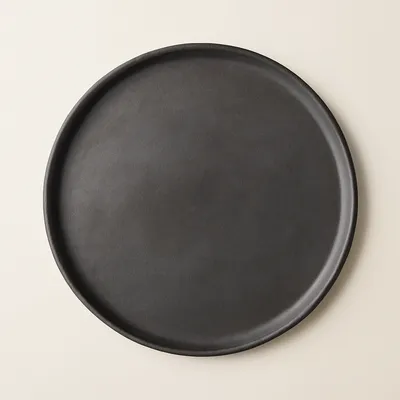
A flat round griddle of steel, cast iron, or unglazed clay, 30-50 cm across, the workhorse of the Mexican kitchen. It sits directly over a flame to toast tortillas (the puff happens in 30 seconds when the heat is right), char chiles for moles, blister tomatoes for salsas, and warm reheated leftovers. Clay comales (especially from Oaxaca) season with each use and impart a faint smoky tang that no metal version can fake.
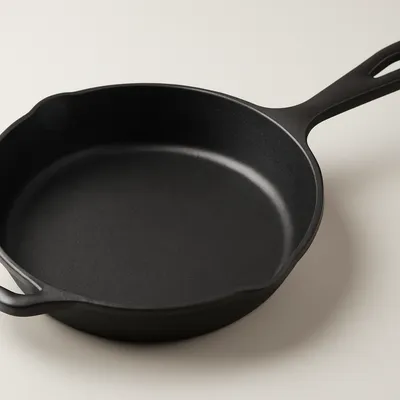
A heavy, single-piece cast iron pan, 25-30 cm across, weighing 1.5-2.5 kg. Once preheated, the thick mass holds 230°C+ even when a cold steak hits the surface — that's the secret to a deep crust. A well-seasoned skillet (multiple thin layers of polymerized oil baked into the iron) is essentially nonstick, gets better with use, and lasts a century. Lodge skillets from Tennessee have been in continuous production since 1896.


