
Salvadoran fresh-corn pancakes — sweet corn kernels ground to a wet paste with cream and a pinch of salt, dropped onto a banana leaf or a comal and griddled until golden. Eaten as a breakfast side with sour cream and queso fresco, or as an afternoon snack.
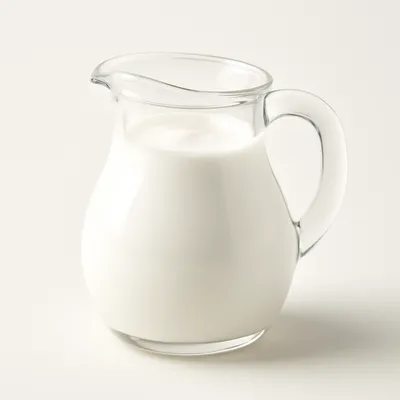



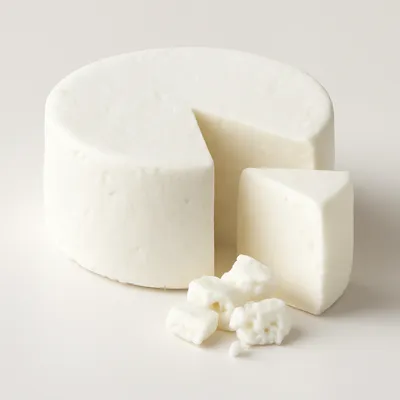
Riguas are Pipil-Nahuat heritage food, predating Spanish contact. The use of fresh-corn paste (vs. dried masa) marks them as Pipil-specific — Mexico's similar uchepos and Brazil's pamonha are cousins, all sharing the Mesoamerican fresh-corn-pancake tradition.
Lift a slice with a fork — golden crust, soft sweet interior bursting with whole corn kernels. The cream-and-sugar makes it taste like corn pudding made portable. A dollop of cream and the salty queso fresco round it out.
Fresh corn contains natural starches and sugars that gelatinize and caramelize during cooking — no flour needed. The cream adds fat for browning; the comal's dry heat creates the signature crust without overcooking the moist interior. Banana leaf adds a grassy note when used.
Variations
Riguas de Queso (with cheese inside). Riguas de Loroco (with native loroco flowers). Riguas Dulces (sweeter version, dessert). Riguas con Frijoles (with refried beans).
On the Palate
Where Riguas sits in the Salvadoran flavor cloud
Get the fresh-corn paste right: pulse it to a coarse, spreadable texture (not a smooth puree) so the natural corn starch can gelatinize into a crust while the interior stays moist and creamy.
Ingredients
Serves 4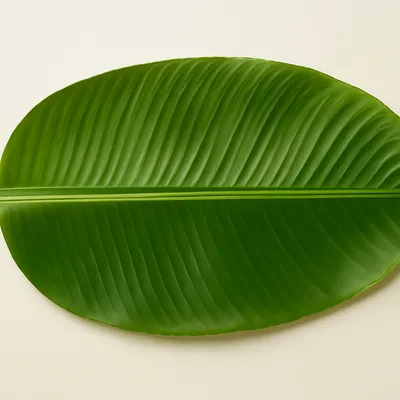


How it's made
7 steps · 25 min active + 5 min waiting
- 14 min
Cut kernels from 6 fresh ears of sweet corn (about 4.5 cups kernels).
- 23 min
Blend kernels with 1/4 cup heavy cream, 1 tsp salt, 1 tbsp sugar (if corn is not very sweet), 1 tbsp melted butter — pulse to a coarse-but-spreadable paste (some texture is good).
Watch outThe paste should mound softly on a spoon and still show flecks of kernel; if it pours like batter it is over-blended.
- 32 min
Heat a comal or non-stick skillet over medium-low.
- 44 min
If using banana leaves: cut into 15cm squares, pass briefly over the burner to soften. Drop 1/4 cup batter onto each leaf, smooth into a 10cm round.
- 55 min
If using just the skillet: drop 1/4 cup batter directly, spread into a 10cm round 1cm thick.
- 69 min
Cook 5 minutes on the first side until edges set and a golden crust forms. Flip; cook 4 more minutes.
Watch outFirst side is ready when the rim turns dry and matte and a golden crust has formed underneath.
- 72 min
Serve hot with sour cream and crumbled queso fresco on top.
Archive tool suggestions — not reviewed
These legacy suggestions have not been evidence-reviewed and are not presented as required tools.
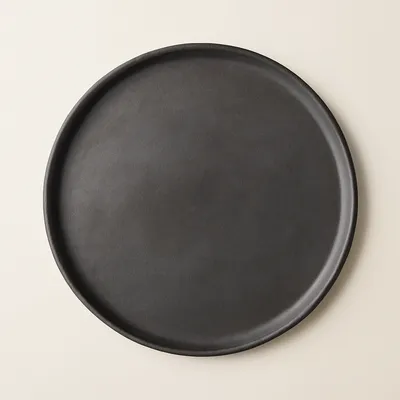
A flat round griddle of steel, cast iron, or unglazed clay, 30-50 cm across, the workhorse of the Mexican kitchen. It sits directly over a flame to toast tortillas (the puff happens in 30 seconds when the heat is right), char chiles for moles, blister tomatoes for salsas, and warm reheated leftovers. Clay comales (especially from Oaxaca) season with each use and impart a faint smoky tang that no metal version can fake.
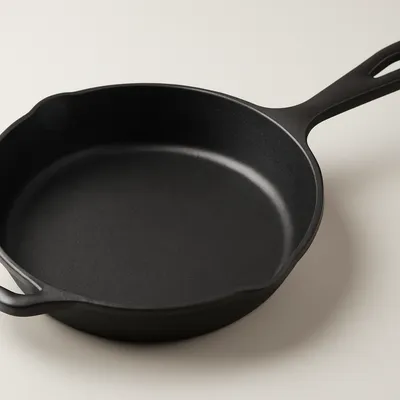
A heavy, single-piece cast iron pan, 25-30 cm across, weighing 1.5-2.5 kg. Once preheated, the thick mass holds 230°C+ even when a cold steak hits the surface — that's the secret to a deep crust. A well-seasoned skillet (multiple thin layers of polymerized oil baked into the iron) is essentially nonstick, gets better with use, and lasts a century. Lodge skillets from Tennessee have been in continuous production since 1896.


