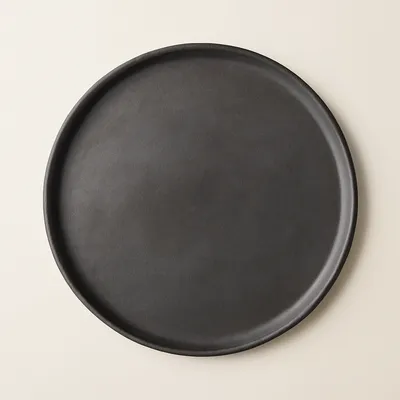
El Salvador's traditional red-bean-stuffed corn tamales, wrapped in banana leaves and steamed. Drier and denser than Mexican tamales, eaten with crema and queso fresco at Saturday breakfasts and All Souls' Day. The most-Salvadoran tamal variant.

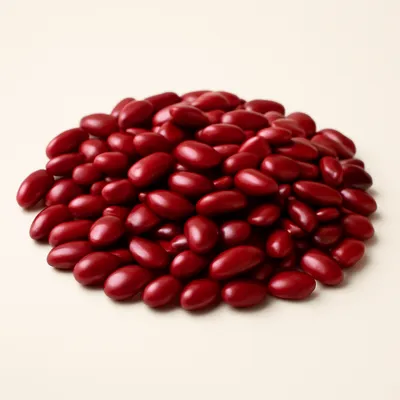

Tamales Pisques are pre-Columbian — the Pipil-Nahua indigenous people made bean-stuffed corn tamales here centuries before the Spanish arrived. The name 'pisque' comes from Nahua pixque (also pishque), meaning 'to keep / preserve': because the masa is nixtamalized (corn cooked with wood-ash and lime; nixtamal = Nahuatl nextli 'ash/lime' + tamalli 'cooked corn dough'), these tamales keep for several days, which is why they are made for multi-day occasions like Holy Week and All Souls' Day. An alternative account derives the name from the Pipil phrase 'pisqui tamal,' referencing the bean filling. Either way the name marks them as distinct from Mexican tamales, a difference Salvadorans take pride in.
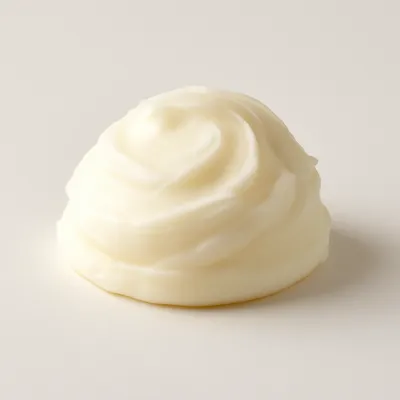
Unwrap a tamale — the masa is dense, slightly grainy, faintly sweet. Inside, the red-bean paste is earthy and lightly seasoned. Topped with a swirl of tart crema and crumbled salty cheese, the contrast is the whole point.
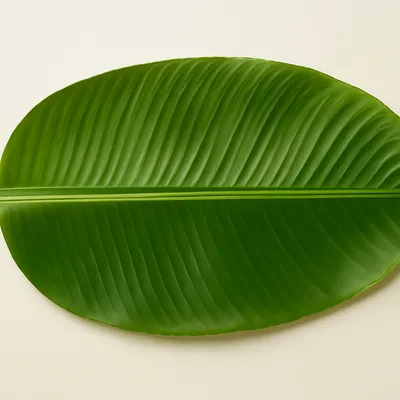
Banana leaves serve as both wrapper and flavor agent — the chlorophyll releases a grassy aroma during steaming. Masa harina (nixtamalized corn) has unique gel-forming properties when steam-cooked; the red bean paste keeps the interior moist throughout the long steam.
Variations
Tamales de Elote (sweet corn, fresh corn). Tamales de Pollo (with shredded chicken). Tamales de Gallina India (with wild hen). Tamales Chiapanecos (Mexican-Chiapas variant, similar size).
On the Palate
Where Tamales Pisques sits in the Salvadoran flavor cloud
Ingredients
Serves 8How it's made
8 steps · 1 hour 30 min active + 2 hours 30 min waiting
- 195 min
Soak 2 cups dried red beans overnight; drain. Boil with 1 onion and water 1.5 hours until soft.
- 210 min
Drain beans; mash to a coarse paste with a bit of cooking liquid. Season with salt.
- 36 min
Make masa: mix 1 kg masa harina with 2 cups warm water, 1 tsp salt, 1/2 cup melted lard. Knead 5 min until soft (consistency of cookie dough).
Watch outKnead the masa until it's soft and smooth like cookie dough — too dry and the tamales crack; a pinch pressed flat should hold together without crumbling.
- 44 min
Cut banana leaves into 25cm squares. Pass briefly over a flame to soften (makes them pliable).
Watch outPass each banana leaf over the flame just until it turns glossy and supple — that quick heat makes it bend without splitting when you wrap.
- 58 min
On each leaf, spread 3 tbsp masa into a rectangle. Spoon 1 tbsp red bean paste down the center.
- 65 min
Fold the leaf around the masa to enclose, tucking ends underneath. Tie with cooking twine.
- 790 min
Steam tamales upright in a steamer 1.5 hours until masa is firm and pulls away from the leaf cleanly.
Watch outThe tamales are done when the masa is firm and peels cleanly off the leaf — if it still sticks and smears, give them more steam.
- 82 min
Serve hot with crema and queso fresco, or chilled in salsa roja.
Archive tool suggestions — not reviewed
These legacy suggestions have not been evidence-reviewed and are not presented as required tools.