
Steamed lamb dumplings with a paper-thin, almost translucent unleavened wrapper enclosing diced lamb, lamb tail fat, onion and cumin — Hotan's take on the Uyghur thin-skinned bun (petir manta), often eaten with polu or yogurt.




Manta is the steamed dumpling of the Uyghur table; the thin-skinned version is called petir manta in Uyghur (petir = unleavened dough). It is the steamed counterpart to the baked samsa — the same lamb filling, one baked in the tandoor and one set in stacked steamer baskets. The dough is mixed with cold water, kept unleavened and stiff, then rolled sheet by sheet until it is paper-thin and nearly translucent, which is what gives the dumpling its name. The filling is lamb diced to the size of a chopstick tip with onion, lamb tail fat, cumin and black pepper, kept simple to honor the meat. The pieces are pleated shut into a small cockscomb shape and steamed about twenty minutes. The dish is common across the oasis towns from Hotan through Kashgar to Yili; this is the Hotan style.
Steamed lamb dumplings whose wrapper is so thin and translucent the filling shows through. The lamb is finely diced and seasoned simply with salt, cumin and black pepper; bitten open it runs with juice, carrying the richness of the meat and its tail fat.
The cold-water unleavened dough is stiff enough to roll out paper-thin without tearing and stays translucent after steaming. Lamb tail fat worked into the filling melts as it cooks and, with the moisture the onion gives off, is trapped inside the thin skin — so the dumpling turns juicy under the steam, which is what defines the thin-skinned bun.
Variations
The thin-skinned bun is made across Xinjiang's oases with only small differences — Yili's are richer and often eaten with naan or polu — while its baked, thicker-skinned counterpart with the same filling is the samsa. This is the Hotan version.
On the Palate
Where Hotan Manta sits in the Uyghur flavor cloud
Ingredients
Serves 4


How it's made
5 steps · 2 hours 5 min active + 55 min waiting
- 136 min
Dough: mix 400g flour, 1 tsp salt, 180ml water. Knead 10 min into a smooth elastic dough. Rest 60 min covered.
Watch outKnead until the dough is smooth and springs back slowly when pressed; a well-developed dough is what rolls thin without tearing.
- 236 min
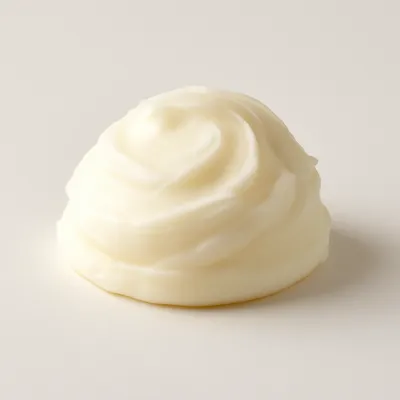
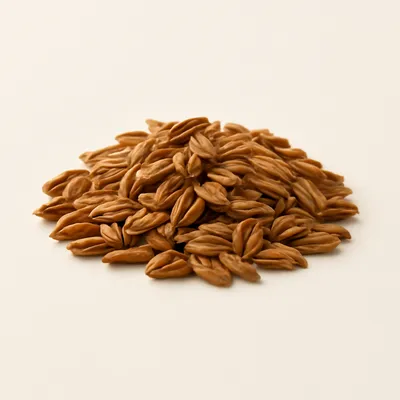
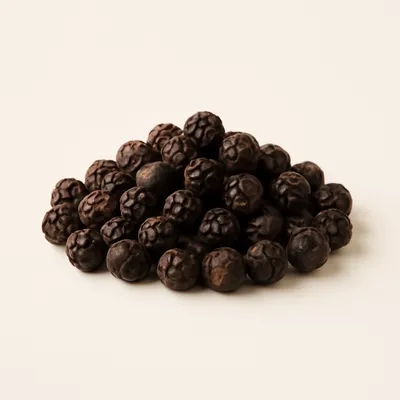
Filling: mix 500g coarsely minced lamb shoulder with 2 finely chopped onions, 1 tbsp salt, 1 tsp cumin, 1 tsp coarse pepper, 30g rendered lamb fat. Don't add water.
- 336 min
Roll dough thin (2mm); cut into 8cm circles. Place 1 tbsp filling in the center of each. Gather the edges up around the filling and pinch closed at the top, leaving a small visible opening.
Watch outThe rolled skin should be thin enough to faintly see your hand through it before you fill and pleat it.
- 436 min
Brush a steamer basket with oil. Arrange the manta with space between. Steam over rapidly boiling water 25 min.
Watch outSteam over a hard, fast boil for the full time; the skin turns from matte to slightly translucent when the manta are done.
- 536 min
Vinegar-garlic dip: mix 100ml black vinegar with 3 minced garlic cloves, 1 tsp soy sauce, 1 tsp chili oil. Plate manta hot, brush tops with 30g melted lamb fat or ghee. Serve with the dip.
Archive tool suggestions — not reviewed
These legacy suggestions have not been evidence-reviewed and are not presented as required tools.


