
El Salvador's national dish — a thick handmade corn tortilla stuffed with cheese, refried beans, or chicharrón (pork rind), griddled until charred-spotted and puffed, served with curtido (fermented cabbage slaw) and salsa roja. Eaten daily, sold at every pupusería.



Pre-Columbian Maya-Pipil (Nahua) indigenous food, predating Spanish contact. The corn-stuffed-with-filling technology was Mesoamerican; excavations at Joya de Cerén (a Maya-Pipil village buried by volcanic ash c. AD 600, a UNESCO site dubbed the 'Pompeii of Central America') yielded comales and corn tools. The word 'pupusa' is first attested in writing in 1837 by Guatemalan poet José Batres Montúfar. Native fillings were corn and bean; Spaniards added pork and cheese. In 2005 El Salvador's Legislative Decree 655 codified pupusas as the national dish and set National Pupusa Day on the second Sunday of November (not November 13).
Crack the charred shell — molten cheese leaks. Stuff fast into the bite with crisp tart curtido and warm salsa. Corn-toasted nuttiness + sharp slaw acid + soft melting filling + tomato-pepper salsa. The slaw fermentation cuts the richness perfectly.
Masa harina is corn nixtamalized (alkali-treated) then ground — gives the distinctive flavor and binding. Sealing filling inside dough = self-steaming pocket. Dry-pan high heat creates charred crust without burning; the steam inside cooks the filling. Curtido (vinegar-fermented slaw) is essential — its acid cuts cheese richness.
Variations
Pupusa Revuelta (cheese + beans + chicharrón, the classic three-filling). Pupusa de Queso (just cheese). Pupusa de Chicharrón (just pork). Pupusa de Loroco (with native loroco flower buds). Pupusa de Ayote (with squash). Pupusa de Camarón (with shrimp, coastal). Pupusa de Arroz (rice-flour, sweeter and more delicate).
On the Palate
Where Pupusas sits in the Salvadoran flavor cloud
Seal the filling completely inside the masa before you flatten — any cheese peeking through will weld to the hot pan and tear the pupusa open as it cooks.
Ingredients
Serves 4

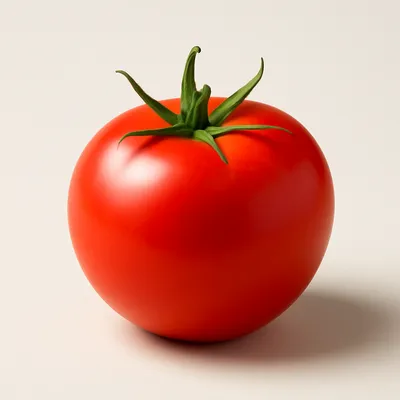

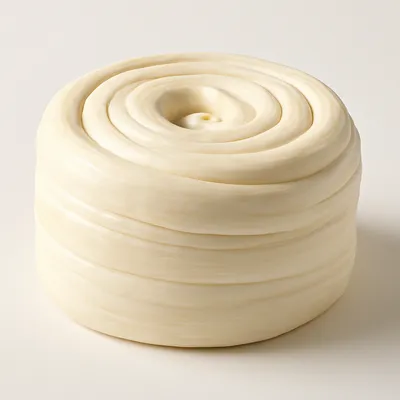
How it's made
8 steps · 35 min active + 10 min waiting
- 15 min
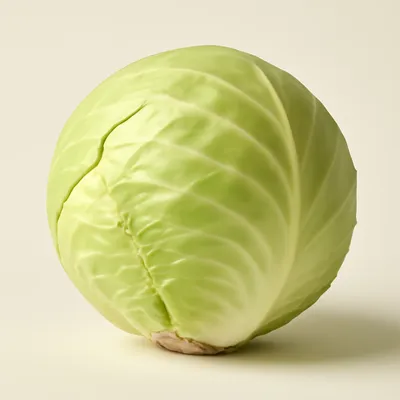
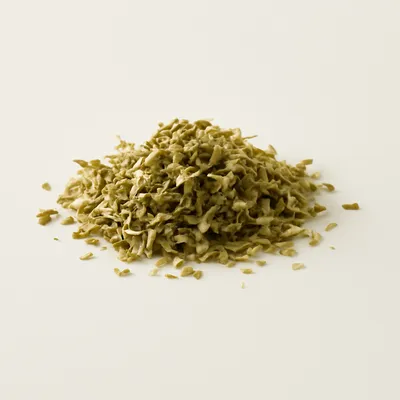
Make curtido first (needs 30 min to ferment minimum): shred 1/2 cabbage + 1 carrot + 1/2 red onion. Mix with 1/4 cup vinegar + 1 tsp salt + dried oregano. Set aside.
- 25 min
Mix 2 cups masa harina + 1 tsp salt + 1 1/2 cups warm water in a bowl. Knead 3 minutes until smooth playdough texture (not sticky).
- 35 min
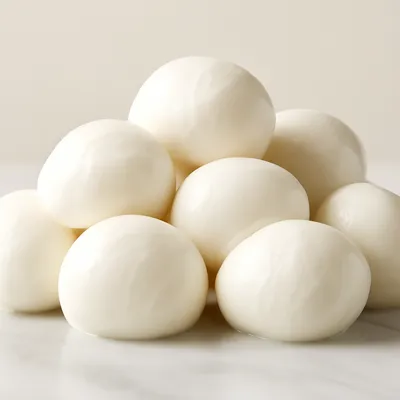
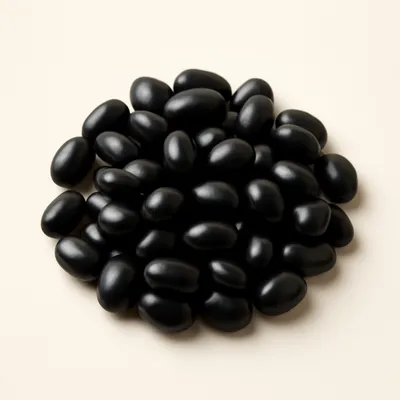
Mix filling: 1 cup grated quesillo or mozzarella + 1/2 cup refried black beans + 1/2 cup chicharrón (cooked + finely chopped pork). Or use any single filling alone.
- 43 min
Wet hands with water. Take a golf-ball of dough; flatten in palm to a 10 cm disc.
- 55 min
Place 1 heaping tbsp filling in center. Pinch dough edges up around filling like sealing a dumpling.
- 65 min
Gently flatten the filled ball back to a 1 cm-thick disc (~12 cm wide). The filling should be sealed inside — no visible cheese.
Watch outFlatten slowly and evenly to about a centimeter thick; press too hard and the filling bursts through the seam.
- 77 min
Heat a dry comal or cast-iron pan over medium-high. Cook pupusa 3-4 minutes per side until char-spotted and the inside cheese melts.
Watch outGriddle should be medium-high and dry — hot enough to char-spot the surface in a few minutes while the inside steams and the cheese melts.
- 82 min
Serve hot with curtido and salsa roja (blended tomato + onion + roasted pepper).
Archive tool suggestions — not reviewed
These legacy suggestions have not been evidence-reviewed and are not presented as required tools.
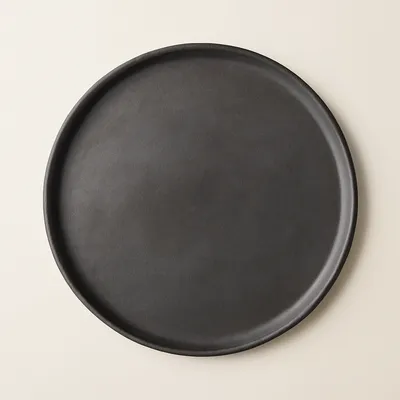
A flat round griddle of steel, cast iron, or unglazed clay, 30-50 cm across, the workhorse of the Mexican kitchen. It sits directly over a flame to toast tortillas (the puff happens in 30 seconds when the heat is right), char chiles for moles, blister tomatoes for salsas, and warm reheated leftovers. Clay comales (especially from Oaxaca) season with each use and impart a faint smoky tang that no metal version can fake.
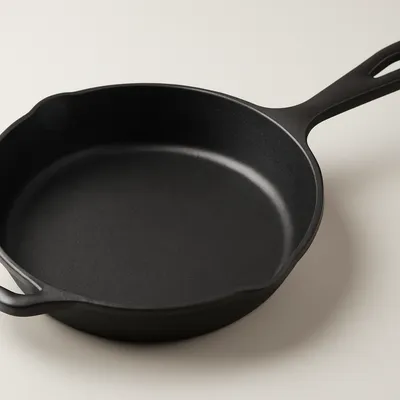
A heavy, single-piece cast iron pan, 25-30 cm across, weighing 1.5-2.5 kg. Once preheated, the thick mass holds 230°C+ even when a cold steak hits the surface — that's the secret to a deep crust. A well-seasoned skillet (multiple thin layers of polymerized oil baked into the iron) is essentially nonstick, gets better with use, and lasts a century. Lodge skillets from Tennessee have been in continuous production since 1896.


