
Malagasy peanut-rice-banana wrapped sweet cake: a paste of ground roasted peanuts, sticky rice flour, sugar, and ripe banana layered in fresh banana leaves, then steam-boiled for 5+ hours until set into firm cylindrical loaves. Sliced and eaten cold as a sweet snack. Tobiana market specialty, sold by women vendors wrapped in newsprint.

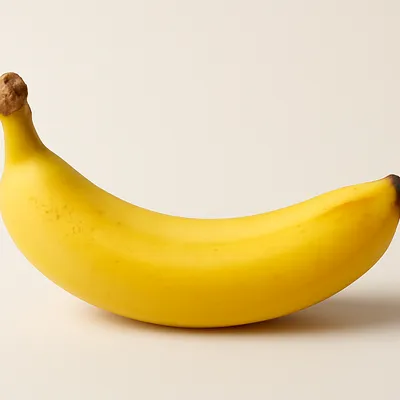

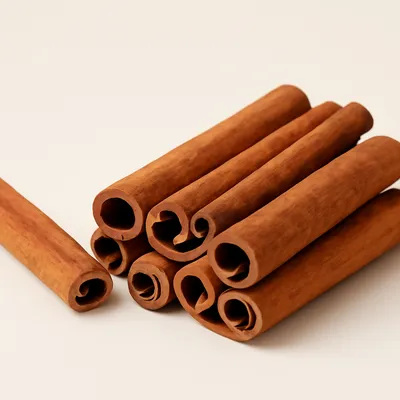


Koba ravina is the traditional Malagasy sweet, with origins in the Imerina highland. The dish requires 5+ hours of low-heat steaming — patience-intensive. Sold at markets around Antananarivo wrapped in newspaper cones; eaten as travel food, festival sweet, or daily treat. The combination of nuts, rice flour, and ripe banana provides protein, carbs, and sweet — a complete energy snack.
Slice a cold koba ravina — the interior is dense, slightly sticky-chewy, deeply golden-brown from peanut color, with visible peanut chunks and a faint pink banana base. Bite: roasted peanut richness hits first, then banana's tropical sweetness, then sticky rice's gentle gummy texture, finally cinnamon-vanilla aromatic finish. The thin banana-leaf-stained edges add subtle vegetal aroma. Each slice is 2-3 bites. With strong coffee, koba is the Malagasy mid-afternoon treat.
Sticky rice flour (different from regular rice flour) is high in amylopectin — when heated with moisture, it creates a soft-chewy gel rather than a crumbly texture. The 5-hour low-heat steam allows the gel to set thoroughly and the peanut oil to migrate throughout, creating uniform fat distribution. Banana provides moisture and natural sweetness without needing additional water. The banana-leaf wrapping is heat-stable and provides a subtle vegetal aromatic that newspaper or foil wrapping cannot match.
Variations
Chocolate koba adds cocoa to the dough — modern variant. Coconut koba uses fresh grated coconut for half the peanuts — coastal version. Vanilla koba doubles vanilla bean — Bourbon island luxury. Tobiana market koba uses extra banana for sweeter result. Diaspora koba uses sticky rice flour from Asian markets — works perfectly.
On the Palate
Where Koba Ravina sits in the Malagasy flavor cloud
Ingredients
Serves 8How it's made
11 steps · 1 hour active + 5 hours waiting
- 110 min
Toast 300 g raw peanuts in a dry pan over medium heat 8 min until skins crack and nuts are golden. Cool.
Watch outToast the peanuts just until the skins crack and the nuts go golden and fragrant; a shade past golden and the whole cake carries a scorched-nut taste.
- 25 min
Rub peanuts between palms to remove skins. Grind in food processor to a coarse-fine paste, not fully smooth, 90 sec.
- 34 min
In a bowl, combine 200 g sticky rice flour + 80 g sugar + 1 tsp salt + 1 tsp ground cinnamon (optional, modern addition) + ½ tsp vanilla extract.
- 45 min
Mash 4 very ripe bananas with a fork until smooth.
- 57 min
Add mashed banana to dry mix; add ground peanuts. Knead with hands until uniform paste, 5 min. The mixture should be dough-like, slightly sticky.
Watch outKnead until it comes together as a uniform, slightly tacky dough — dry crumbly patches now mean the baked cake sets grainy instead of soft-chewy.
- 65 min
Prep banana leaves: 6-8 large rectangles (about 30 × 20 cm each). Pass over flame 5 sec to make pliable.
- 79 min
Wrap: divide mixture into 4 portions. Place a portion on each banana leaf rectangle. Shape into a 4-cm thick cylinder. Wrap tightly; tie at both ends and middle with kitchen string.
- 8281 min
Steam: place wrapped cylinders in a large pot covered with water (the cylinders should be submerged). Bring to a low boil; cover; cook 4-5 hours at low simmer, topping up boiling water as needed.
- 92 min
Test: insert a knife into one cylinder — it should come out clean and the cake should feel firm-set.
Watch outSlide a knife into the center — it should come out clean and the cake feel firm-set; wet crumbs clinging to the blade mean it needs more time in the steam.
- 1062 min
Cool in the cooking water 1 hour. Then remove and refrigerate 4+ hours (the cake firms further as it cools).
- 116 min
Slice cold cylinders into 1.5-cm rounds. Serve at room temperature as a snack with coffee or tea.


