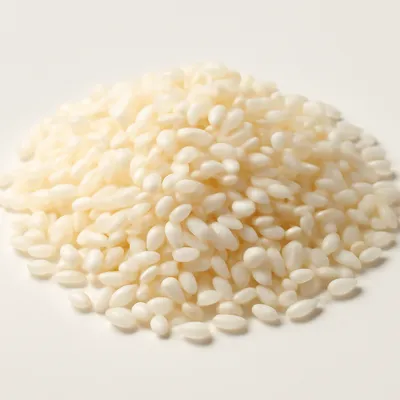
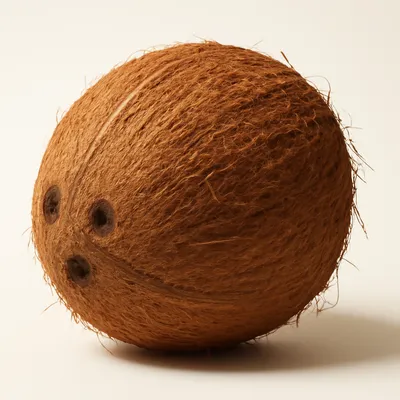
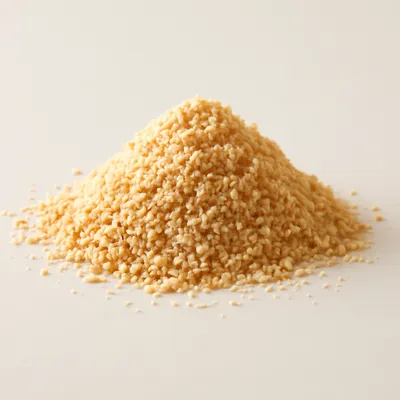
A Hainan village gift cake of the highest social register: glutinous rice is soaked, wet-milled, and a portion pre-cooked into a thick gel before being kneaded back into the raw slurry — creating a wrapper with remarkable stretch. The wrapper encases a filling of shredded coconut, crushed peanuts, toasted sesame, and red sugar, then wrapped in banana leaf and steamed. Recognized as a Chinese Famous Snack by the China Cuisine Association.


The name yan guo evolved from yì guǒ, meaning memory cake. According to Ming dynasty folk tradition, a Hainan village woman prepared glutinous rice cakes each Mid-Autumn Festival after her son was conscripted into military service, and after he returned safely, the cake became a permanent celebratory food that spread through Hainan's villages. The dish proliferated during the Ming and Qing dynasties as a milestone gift brought to new homes, newborn ceremonies, and weddings. It is widely recognized as a Zhonghua Mingxiaochu (Chinese Famous Snack). Wenchang and Ding'an counties developed distinct regional styles.
The skin yields with a soft, springy bounce before parting — thinner and more elastic than any commercially made glutinous rice product — then the warm coconut shreds release a grassy sweetness, peanut fragments add a roasted crunch, and the dissolving red sugar delivers a caramel finish perfumed by banana leaf. Sweet but never cloying, sticky but not tooth-pulling.
The wrapper's elasticity comes from a two-phase starch preparation. One-third of the pressed rice slurry is cooked into a thick translucent gel: at 75–78°C, glutinous rice starch (95%+ amylopectin) gelatinizes, the branched polymer chains unfurl and entangle, forming a cohesive viscoelastic network. When this pre-gelatinized gel is kneaded back into the remaining raw slurry, the cooked starch chains act as a continuous-phase matrix — analogous to gluten in wheat dough, absent in pure rice — giving the wrapper stretch without tearing. Steaming locks in the final structure, while the banana leaf releases trace aromatic esters and chlorophyll-derivative compounds into the surface of the cake.
Variations
The savory variant fills the wrapper with glass noodles, dried shrimp, and minced pork. Wenchang-style uses a thinner skin and purer fresh coconut meat; Ding'an-style favors darker palm sugar for a deeper caramel note. Some households substitute pandanus leaf for banana leaf during steaming, producing a greener, more fragrant cake.
On the Palate
Where Hainan Glutinous Rice Cake (Yan Guo) sits in the Chinese flavor cloud
Ingredients
Serves 8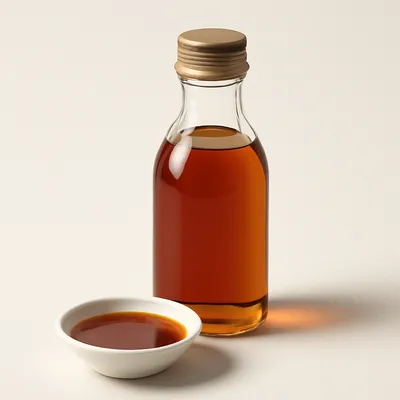
How it's made
8 steps · 30 min
- 1240 min
Soak 500g glutinous rice in cold water for 4 hours. Drain and grind with just enough water using a wet-mill or high-powered blender to a smooth, thick slurry. Pour into a clean cloth bag and press under a heavy weight for 30 minutes to remove excess moisture.
- 220 min
Weigh the pressed dough and take one-third (about 170g). Dissolve this in 200ml water, stirring to loosen, then cook over medium heat, stirring constantly with a wooden spatula, until the mixture becomes a thick, smooth, translucent gel. Remove from heat and cool to warm.
Watch outCook the gel to thick, smooth and clear, stirring nonstop — let it catch on the bottom and lumps of scorched starch ruin the wrapper.
- 315 min
Knead the warm cooked gel thoroughly into the remaining two-thirds raw pressed dough for 10 minutes until fully incorporated; the dough should stretch without tearing. Cover and rest 10 minutes.
Watch outKnead the warm gel fully into the raw dough until it stretches without snapping — that's the whole test for a wrapper that won't crack.
- 410 min
Toast 100g peanuts until golden; crush roughly and remove skins. Toast 50g sesame seeds until fragrant. Combine with 150g freshly shredded coconut and 80g red sugar to make the sweet filling.
- 510 min
Pinch off 50g portions of dough; press each between palms into a thin disc about 10cm in diameter.
- 610 min
Place a tablespoon of filling in the center of each disc; fold, pleat, and pinch the edges firmly to seal.
- 722 min
Place each cake on a small piece of lightly oiled banana leaf. Arrange in a bamboo steamer with gaps for steam. Steam over high heat for 20–22 minutes until the wrapper is fully translucent.
Watch outSteam until the wrapper turns fully translucent edge to edge — patchy and pale means the centre is still raw and gummy.
- 82 min
Brush the surface of each cake with sesame oil immediately on removing from the steamer. Serve warm.
Archive tool suggestions — not reviewed
These legacy suggestions have not been evidence-reviewed and are not presented as required tools.


