
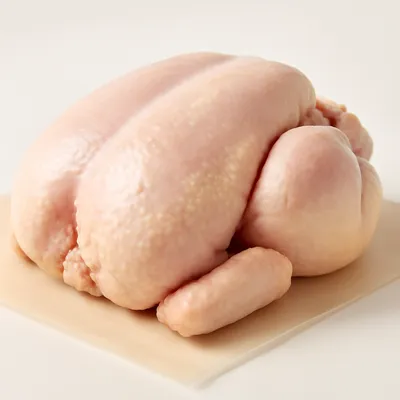
A showpiece of Kaifeng's 官府菜 (government-kitchen cuisine) and a tour de force of knife work. Four birds — duck, chicken, pigeon, and quail — are each completely de-boned while their skins are kept whole and unbroken, then nested one inside the next from largest to smallest, so the finished dish is a single duck holding three more whole birds within. The reassembled nest is stuffed, sewn or tied shut, and gently cooked in a clear soup until tender. Presented whole in its broth, it looks like an ordinary plump duck; only on carving does the nesting reveal itself — duck, then chicken, then pigeon, then quail — each bird intact and boneless. It is one of the rarest and most technically demanding dishes of Henan cuisine.




套四宝 belongs to the 衙门 (government-office) school of Kaifeng cooking and is credited to the late-Qing Kaifeng master 陈永祥, who is said to have developed it from an older nested dish, 套三宝 / 日月套三环 (a three-bird nest), by adding a fourth bird. In 1901 (光绪二十七年), as Empress Dowager Cixi and the Guangxu Emperor passed through Kaifeng on their return to Beijing — the year of Cixi's 66th birthday — the prefecture had Chen prepare a lavish table, and 套四宝 is recorded among the dishes that drew the court's praise. The craft was carried on as a family tradition, 陈家菜, the dish passing down through Chen's descendants (his grandson 陈景和 among the cooks who kept it alive; the exact generational chain is given somewhat differently across sources). 开封陈家菜 was listed as a Henan provincial intangible cultural heritage in 2021. The dish's name is plain: 套 is the nesting, 四宝 the four 'treasures' — the four birds.
Served whole in clear broth, the first taste is the soup — long-simmered, clean and deeply savory, having drawn flavor from four birds at once. Cut in, and each layer eats differently: the duck mellow and faintly fatty, the chicken firm and sweet, the pigeon darker and richer, the quail small and tender at the center, all of it boneless so a spoon goes straight through. Between the layers sit the stuffing and seasonings, and every bite can carry two or three of the birds together. Done well, the skins are unbroken and the whole holds its plump duck shape, the meat tender but not falling to shreds; done badly, a skin has torn in the deboning and the nest leaks and collapses in the pot, the soup turns cloudy, or the long cook has dried the inner birds to cotton.
Everything rests on 整料脱骨 — deboning a whole bird through a single opening at the neck while leaving the skin a complete, unbroken bag. The cook works a thin knife in through the neck and frees the carcass from the inside, severing the joints and drawing the skeleton out so the skin and meat keep the bird's full shape with no slit cut in the body. This is done to all four birds; each is then turned and nested inside the next, largest to smallest, the cavities packed with seasoning and stuffing so the layers do not collapse together. The neck opening is sewn or tied shut, restoring the look of one whole duck. From there it is a gentle, long clear-soup cook (煨/炖): low, steady heat over a long time renders the duck fat, sets the proteins without bursting the delicate skins, and lets the four meats and the broth exchange flavor — a hard boil would split the seams and cloud the soup, so the fire is kept low and even throughout.
Variations
套四宝 is itself an elaboration of the older 套三宝 — a three-bird nest of duck, chicken and pigeon (also recorded as 日月套三环) — to which the quail was added as the fourth treasure; the three-bird version is sometimes still made. Within the 陈家菜 family line the dish has been handed down and revived across generations, with cooks differing on the stuffing (glutinous rice, ham, mushroom, lotus seed and the like) packed between the layers and on whether it is finished as a pure clear soup or with a light glaze. It sits among Kaifeng's banquet 官府菜 alongside other heritage dishes of the city. Beyond Kaifeng the nesting idea is rare, being so demanding of knife skill that few kitchens attempt it.
On the Palate
Where Four Treasures Nested sits in the Chinese flavor cloud
Ingredients
Serves 8


How it's made
7 steps · 2 hours 30 min active + 1 hour 30 min waiting
- 180 min
Clean a duck, a chicken, a pigeon, and a quail; debone each whole through an opening at the neck, working a thin knife from the inside and drawing out the skeleton so the skin stays an unbroken bag with the bird's shape intact.
Watch outWork the knife entirely from inside through the neck and free the joints without piercing the skin — the whole trick is keeping the skin one unbroken bag, or the stuffing leaks and the shape is lost.
- 215 min
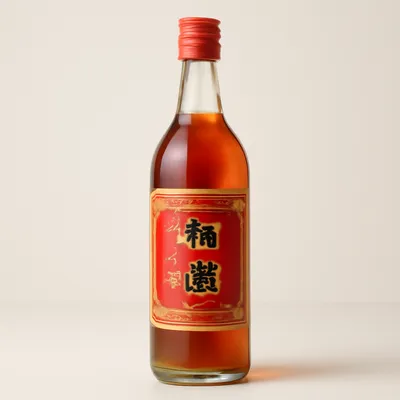
Lightly blanch or rinse each deboned bird and season the cavities with salt, Shaoxing wine, ginger, and scallion.
- 325 min
Nest the birds largest to smallest — quail inside pigeon, pigeon inside chicken, chicken inside duck — packing stuffing and seasoning between the layers so they hold their form.
- 410 min
Sew or tie the neck opening shut so the assembly regains the shape of one whole plump duck.
- 55 min
Lower the nested duck into a pot of clear chicken-and-pork broth with ginger, scallion, and Shaoxing wine.
- 690 min
Cook gently over low, steady heat for a long time (煨/炖), skimming, until all four birds are tender and the soup is clear and rich; never let it reach a hard boil.
Watch outHold it at a bare, trembling simmer for hours and never let it hit a rolling boil — hard bubbling clouds the soup and jostles the nested birds apart.
- 75 min
Lift the whole nest carefully into a deep bowl, strain the broth clear and pour it over, and present the duck whole; carve at the table to reveal the four nested birds.
Archive tool suggestions — not reviewed
These legacy suggestions have not been evidence-reviewed and are not presented as required tools.


