In Practice
The standard knife is a cai dao — a 200-220mm rectangular cleaver with a 2.5-3mm spine, ground at 15-17° per side, in carbon steel for keenness over stainless's edge retention. The push-cut (tui qie) is the workhorse: heel-down anchor, tip leading, the blade walks forward through the cut while the guide hand retreats in 2-3mm increments. Showpiece cuts include wenshi rou (cross-hatched squid scoring) and song shu (squirrel pattern on mandarin fish). Failure modes: rocking like a Western chef forces the cleaver to chop rather than slice, crushing fiber; a dull edge (over ~10° of microbevel rounding) tears instead of severing.
Background
Emerging in the Ming Dynasty, Jiangsu Knife Skills were honed in the bustling kitchens of Suzhou and Yangzhou. These regions, blessed with fertile lands and abundant produce, became culinary hubs where precision and aesthetics were paramount. The chefs of Jiangsu, driven by the era's emphasis on elegance and refinement, developed techniques that turned cooking into an art form. This meticulous approach to slicing and dicing was not just about presentation but also about enhancing flavors and textures.
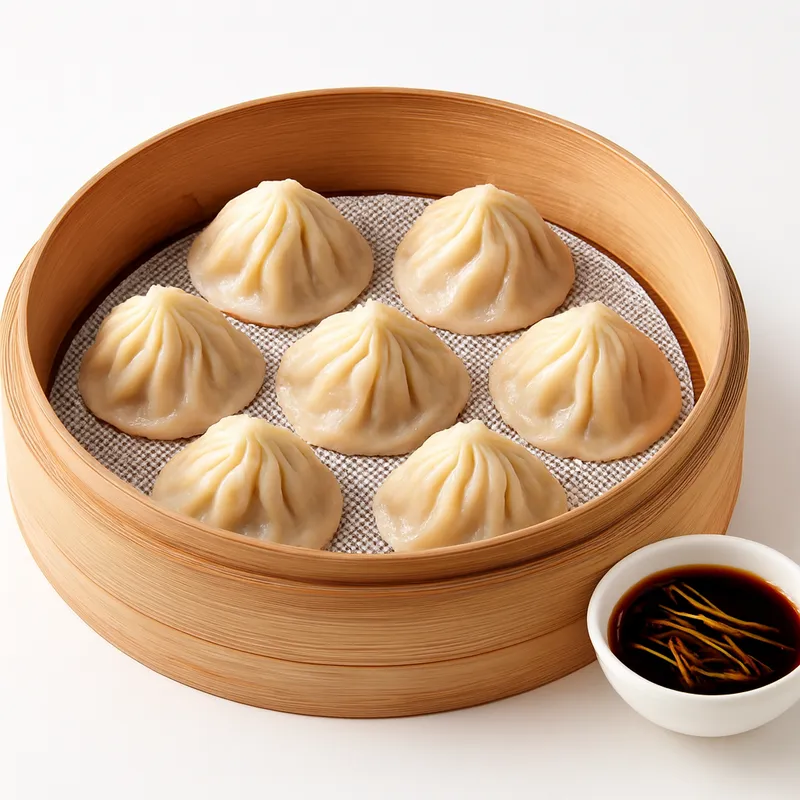
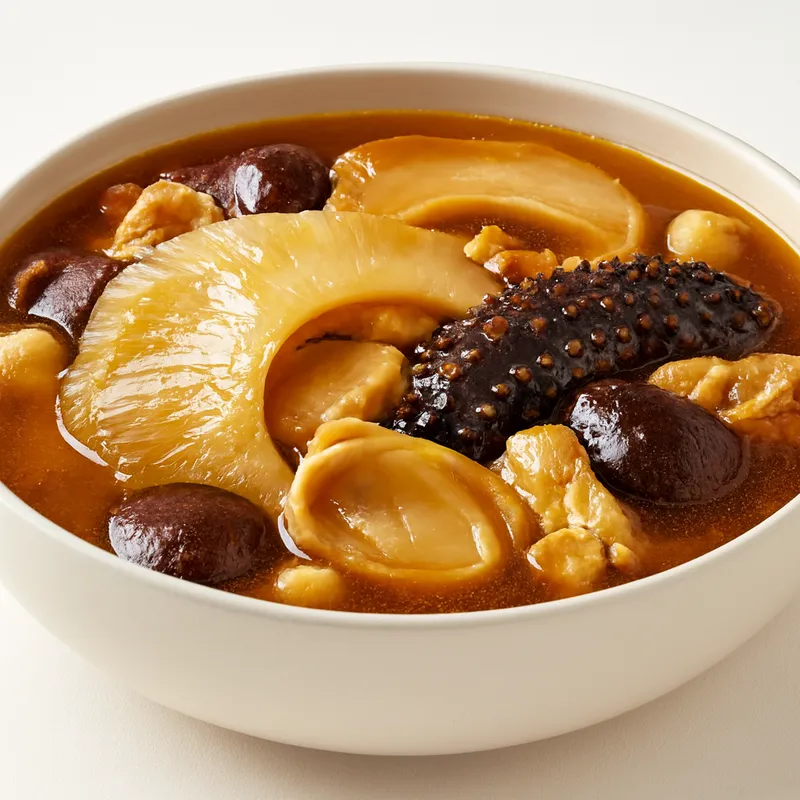
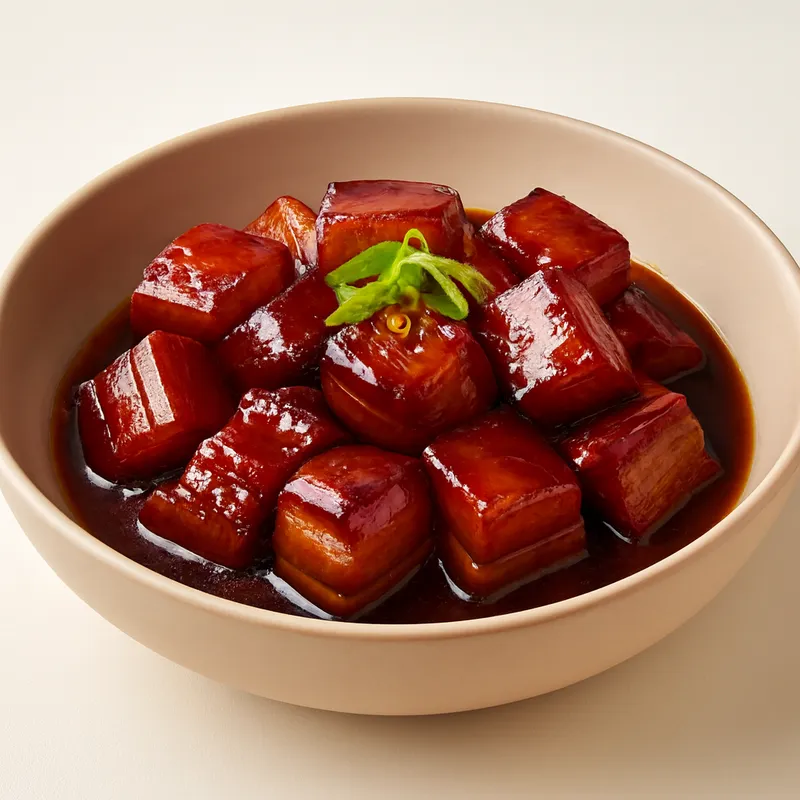
As Jiangsu cuisine gained fame, its knife skills spread throughout China, influencing neighboring culinary traditions. While similar techniques exist in other regions, such as Sichuan's bold cuts or Cantonese fine mincing, Jiangsu's emphasis on precision and beauty remains unmatched. The meticulous artistry required for dishes like Xiaolongbao and Red Braised Pork Belly owes much to these traditional knife skills.
How It Works
Uniform cut size means uniform heat penetration: a 2mm julienne cooks in ~30 seconds versus ~70 for 4mm. More critical, fine cuts (huadao) maximize surface area for marinade absorption and Maillard contact while preserving cell-wall integrity — a clean shear severs xylem without crushing parenchyma, so the piece holds shape and releases less moisture during stir-frying.



Through Time
Codified in the Yangzhou imperial kitchens of the Sui-Tang Grand Canal era (7th-9th century) when merchant wealth funded technical refinement. Yuan Mei's 1792 *Suiyuan Shidan* catalogued cut-specific dishes; the Huaiyang school formalized the eight knife-cuts (slice, julienne, dice, mince, plus four ornamental). Modern lineage runs through Yangzhou Cooking School (est. 1958) and master Ju Aobei, who set the Wensi tofu standard.
Related cooking knowledge
Japanese hocho-bujutsu (knife arts) — yanagiba for sashimi, usuba for vegetables — share the single-bevel precision logic but at finer geometries. Cantonese knife work is broader-bladed and faster but less ornamental. Lyonnaise julienne and brunoise are the Escoffier-codified Western parallel, executed with a shorter blade and rocking motion.