Three birds nested whole inside one another — a hen encasing a pigeon, the pigeon encasing a sparrow — with gastrodia elata and goji berries at the innermost core, then slow-braised for three hours until the outer hen releases all its richness into a broth that carries three distinct avian flavors in a single bowl. A medicine-kitchen bridge created in 1920s Changsha.




Triple-Nested Layered Chicken was created by Liu Sanhe (柳三和), one of the Four Great Chefs of Republican-era Changsha — a group that also included Xiao Ronghua, Song Shanzhai, and Bi Heqing — in the late 1920s. Liu developed the dish by adapting a medicinal prescription that already combined gastrodia elata with multiple nested birds as a remedy for headache and vertigo, refining its existing nested structure into a banquet centrepiece that dazzled the Changsha upper class as both technically spectacular and nourishing. The three-bird architecture applied the culinary logic of 'one pot, three virtues': the hen to warm and supplement qi, the pigeon to nourish kidney essence, and the gastrodia to calm and stabilize wind patterns. The dish became famous across Changsha in the 1930s and remained a signature item associated with Liu Sanhe's restaurant repertoire.
The broth arrives first — darkly golden, layered with a depth that seems impossible for clear liquid; a spoonful carries simultaneous notes of hen richness, pigeon sweetness, and a faint herbal warmth from the gastrodia. The hen meat falls in silky lengths; the pigeon inside is more compact and gamey; the sparrow at the center, gently basted by its two containers, is the most tender of all.
The nested architecture creates a concentric thermal and flavor gradient. The outer hen, exposed to the highest heat, contributes the most collagen — greatest in an older bird — which converts to gelatin over three hours, lending body and viscosity to the broth. The pigeon at the middle layer is insulated by the hen and reaches a lower equilibrium temperature, so its proteins are less denatured and its flesh remains more compact. The innermost sparrow, fully shielded by two layers of poultry, essentially poaches in the concentrated pigeon and hen juices that gradually migrate inward through convection. Gastrodin, the primary bioactive compound in gastrodia elata, is heat-stable and water-soluble, dissolving into the central broth during long simmering and contributing the characteristic mild, slightly bitter-herbal base note that distinguishes this broth from ordinary chicken stock.
Variations
Liu Sanhe's original used sparrow as the innermost bird; health regulations in many mainland cities now restrict sparrow, so quail — similar in size and flavor — has become the standard substitute. Some tonic versions add lotus seeds and wolfberry leaves for additional benefit. A more extravagant banquet variant swaps the innermost sparrow for a wood pigeon and adds cordyceps.
On the Palate
Where Triple-Nested Layered Chicken sits in the Chinese flavor cloud
Ingredients
Serves 6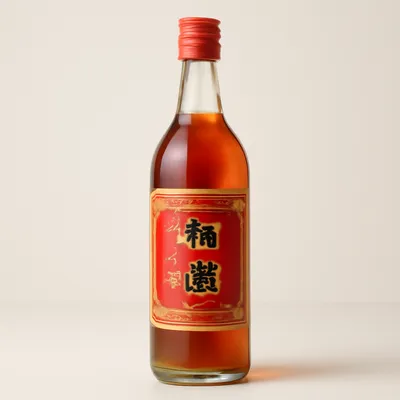

How it's made
8 steps · 40 min
- 120 min
Clean and gut all three birds; blanch each separately in boiling water for 3 minutes, then rinse with cold water; drain and pat dry; season the interior of each bird lightly with salt and Shaoxing wine.
Watch outBlanch each bird separately and pat fully dry — any residual scum or water muddies the golden broth you're after.
- 220 min
Soak gastrodia elata slices in warm water for 20 minutes; drain. Combine with goji berries, a pinch of salt, and a dash of Shaoxing wine.
- 310 min
Fill the sparrow's interior with the gastrodia-goji mixture; secure the cavity with a toothpick or kitchen twine.
- 410 min
Place the filled sparrow inside the pigeon's cavity; close the pigeon securely with kitchen twine so it fully contains the sparrow.
- 515 min
Place the pigeon-sparrow assembly inside the hen's cavity; truss the hen with kitchen twine to hold its shape; prop the neck upright with a chopstick if desired for presentation.
- 610 min
Transfer the assembled triple-bird to a large clay pot or heavy casserole; add ginger, spring onion, Shaoxing wine, and enough hot water to cover three-quarters of the hen.
- 7180 min
Bring to a boil over high heat; skim any foam; reduce to the lowest possible simmer, cover, and cook for 3 hours, turning the hen gently once at the halfway mark.
Watch outHold at the lowest possible simmer for three hours so the broth stays clear — a boil breaks it cloudy and shakes the nested birds apart.
- 810 min
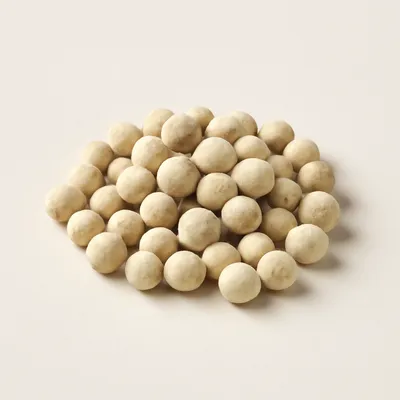
Remove twine and toothpicks carefully; transfer the whole assembly intact to a large serving bowl; ladle the golden broth over; season with salt and white pepper and serve.
Archive tool suggestions — not reviewed
These legacy suggestions have not been evidence-reviewed and are not presented as required tools.



