Clear-braised mountain goat from Hema Township in Renhuai, Zunyi, where Qianbei hemp goats roam the steep gorges of the Chishui River valley feeding on wild aromatic herbs. Already celebrated in the Qing dynasty, the dish gained national fame when Mao Zedong and Zhou Enlai reportedly praised it during the Red Army's Long March crossing of the Chishui River in 1935. The broth is pale gold and silky; the meat tender without a trace of gaminess.





The people of the Chishui River valley have marked the winter solstice with a mutton feast since at least the Han dynasty, according to regional chronicles. Hema Township, historically known as Guanzikou, was a critical waypoint on the Sichuan-to-Guizhou salt transport road, lending it unusual commercial vitality for a mountain village. The Qianbei hemp goat breed evolved in these steep valley gorges over centuries, developing finely grained muscle and remarkably low-gaminess fat due to its diverse wild-herb diet. By the Qing dynasty the mutton was already a regional luxury. Local folk tradition holds that Red Army units crossing the Chishui River in 1935 — during the Four Crossings campaign — stopped at Hema and tasted the local mutton, weaving the dish into the area's revolutionary storytelling. The preparation technique was listed as Zunyi Municipal Intangible Cultural Heritage in 2018.
The broth arrives pale gold and trembling slightly in the bowl, carrying the faint sweetness of valley herbs the goats have browsed. The meat surrenders to the spoon without effort — lean, fine-grained fibers that hold flavor rather than grease. No gaminess; just a clean, deep savory warmth that grows warmer with each sip. A dipping sauce of chili and garlic is offered for those who want heat, but many prefer the broth alone.
The near-zero gaminess of Hema mutton is attributable to its diet: free-ranging goats browsing diverse wild herbs in the Chishui River valley develop significantly lower concentrations of the branched-chain fatty acids — primarily 4-methyloctanoic acid and 4-methylnonanoic acid — that are the primary sources of characteristic goat and mutton gaminess. Grain-fed confined animals accumulate these BCFAs at much higher levels. The slow clear-braise at a controlled simmer (~95°C) over 1.5–2 hours converts collagen in connective tissue to gelatin, giving the broth its characteristic silky body and slight viscosity, while the temperature remains below the threshold at which muscle fibers contract and toughen significantly, preserving tenderness. Minimal seasoning — ginger and scallion — is traditional specifically to avoid masking the delicate natural flavors.
Variations
Hema's 'whole mutton feast' (羊肉全席) cycles through over 70 preparations including rice-flour-steamed mutton (粉蒸羊肉), charcoal-roasted ribs (烧烤), cold-dressed tendon in Sichuan pepper oil, and red-oil offal. A hotpot version using the clear braising broth as base is popular in winter. In Zunyi city proper, the same braised goat is served atop fresh rice noodles as Zunyi mutton noodle soup (遵义羊肉粉), a beloved daily breakfast.
On the Palate
Where Hema Mutton sits in the Chinese flavor cloud
Ingredients
Serves 4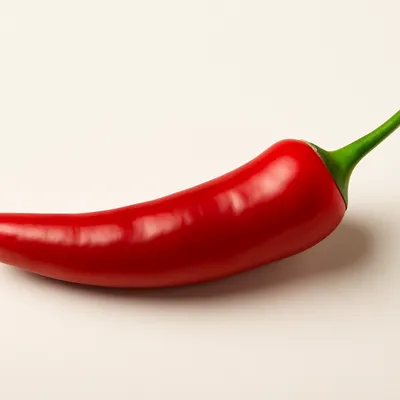
How it's made
7 steps · 30 min
- 110 min
Rinse 800g bone-in goat pieces (ribs, neck, leg); place in a pot of cold water, bring to a full boil, blanch for 5 minutes. Drain and rinse under cold running water to remove impurities.
- 25 min
Place blanched goat pieces in a clay pot or heavy Dutch oven with 2.5 liters cold water; add 3 fresh ginger slices and 2 scallion stalks tied in a knot.
- 310 min
Bring to a vigorous boil over high heat; skim off all foam thoroughly until the broth runs clear.
Watch outSkim every bit of foam off at the first hard boil until the surface runs clear — that's the difference between a clean, sweet broth and a muddy, off-tasting one.
- 4100 min
Reduce to the lowest possible simmer — the surface should tremble gently, not bubble actively. Cover and cook for 1.5 to 2 hours.
Watch outDrop to the lowest simmer where the surface just trembles — a rolling boil clouds the clear broth and toughens the meat.
- 515 min
Check doneness by pressing the meat with chopsticks; it should separate from the bone easily without falling apart. Season with salt (about 1.5 tsp) 15 minutes before the end of cooking; remove ginger and scallion.
Watch outTest with chopsticks — the meat should slip off the bone but still hold together, not fall to shreds.
- 65 min
Ladle meat and broth into deep bowls; garnish with thinly sliced scallion greens and a pinch of white pepper.
- 75 min
Serve with a side dipping sauce of minced fresh chili, garlic, and soy sauce for those who prefer added heat.
Archive tool suggestions — not reviewed
These legacy suggestions have not been evidence-reviewed and are not presented as required tools.


