Also called gold-and-silver trotters (金银蹄), this Jinhua classic braises a deep-red cured ham knuckle alongside an ivory fresh pork trotter in a clay pot until the contrasting textures and colors meld into one extraordinarily rich, gelatinous stew.

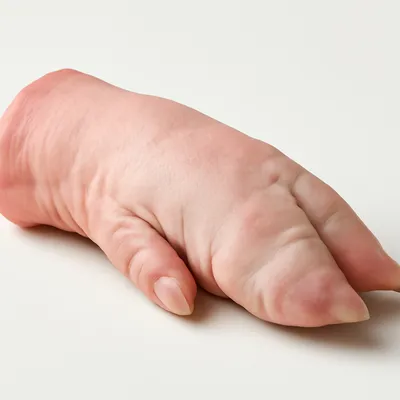


Jinhua ham's origins date to the Tang dynasty: the materia medica Bencao Shiyi (《本草拾遗》, compiled c. 739 CE by Chen Cangqi) already recorded that among hams, those from Jinhua are the finest. After the Song, production expanded considerably. Folklore credits the Song-era general Zong Ze (1060–1128, a Jinhua native) with popularizing the name 火腿 — when salt-cured legs given to his soldiers turned fire-red during transport, the court named them fire-legs, though this is beloved legend rather than documented fact and should be taken as such. By the late Qing, the proverb prevailed across the Hangzhou-Jiaxing-Huzhou plain: first round of summer heat, eat ham; second, eat chicken; third, eat gold-and-silver trotters (头伏火腿、二伏鸡、三伏吃个金银蹄). The name gold-and-silver describes the visual contrast between the deep red-brown cured knuckle (gold) and the pale ivory fresh trotter (silver) as they emerge from the clay pot.
Pull-apart pork trotter gives way to a chopstick's nudge, while the ham knuckle alongside delivers waves of salt and layered savory depth that fresh pork alone could never achieve. The broth is the real prize — amber, thick with gelatin, almost too rich to sip quickly.
Jinhua ham undergoes 6–12 months of processing: winter salting (low-temperature water extraction and salt penetration), mid-temperature drying, then summer high-temperature fermentation at 37–40°C. This progressively hydrolyzes muscle proteins into free amino acids — especially glutamate and histidine — while fat oxidation and Maillard-type reactions generate dozens of flavor esters and pyrazines, accounting for ham's signature savory-nutty depth. When braised alongside the fresh trotter, the ham's sodium chloride migrates into the fresh meat, seasoning it from within. Both cuts contribute abundant collagen, which hydrates into gelatin over the long braise, thickening the broth into a rich, coat-the-spoon consistency.
Variations
Some Jinhua restaurants blanch leafy greens in the finished broth tableside to lighten the dish. Northern Zhejiang versions may add fresh bamboo shoots or dried shiitake to the braise. A refined restaurant presentation debones the trotters entirely and pours the gelatinous broth over them tableside. Hangzhou home cooks sometimes add tofu skin (腐竹) in the final 20 minutes.
On the Palate
Where Jinhua Ham-Knuckle and Pork Trotter Stew sits in the Chinese flavor cloud
Ingredients
Serves 4
How it's made
8 steps · 20 min
- 190 min
Soak the Jinhua ham knuckle in cold water for 1–2 hours to draw out excess salt; scrub the skin clean with a brush.
- 25 min
Blanch the fresh pork trotter in a pot of boiling water for 3 minutes to remove blood and impurities; rinse under cold water and set aside.
- 33 min
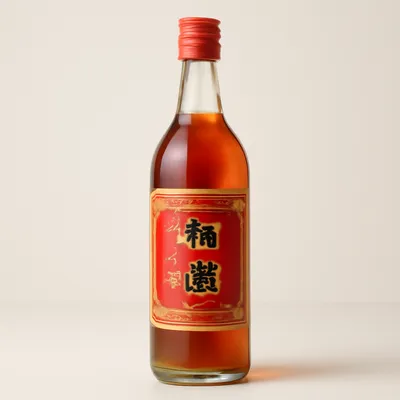
Place a bamboo rack in the bottom of a large clay pot; set the ham knuckle on the rack, add yellow rice wine and enough cold water to cover by 5 cm.
- 460 min
Bring to a full boil over high heat, then reduce to the lowest possible flame and braise the ham alone for 1 hour.
Watch outBraise the ham alone first at the lowest possible flame — a hard boil clouds the broth and drives off the ham's savoury depth; you want it barely trembling.
- 590 min
Add the pork trotter, scallion knots, and ginger slices; continue braising on very low heat for 1.5 hours, adding a little hot water if the level drops too low.
- 615 min
Remove scallions and ginger; lift out the ham knuckle and remove the bone, then return the boned meat to the pot and braise for a further 15 minutes.
Watch outOnce the ham is boned and back in, the broth should be turning gelatinous and glossy — that body is the gelatin melting out of the skin and tendon.
- 75 min
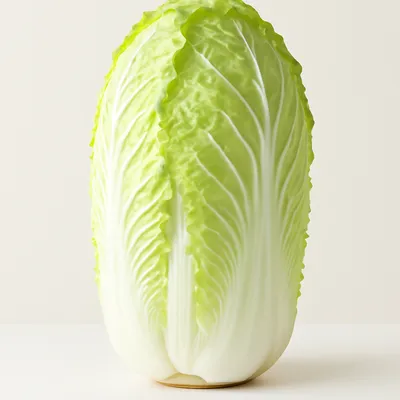
Add Chinese cabbage and season lightly with salt; simmer 5 minutes until the cabbage is just wilted.
- 83 min
Transfer trotters and ham to a deep serving bowl, pour the reduced gelatinous broth over the top, and serve immediately.
Archive tool suggestions — not reviewed
These legacy suggestions have not been evidence-reviewed and are not presented as required tools.

