A rustic Shanxi main made by pressing soft sorghum dough through a wire-grate board (擦尖床) directly into boiling water, producing short, rough-surfaced strands with a faintly earthy sweetness that cling greedily to braised-pork topping. One of the ten officially recognised Shanxi noodles (2022).
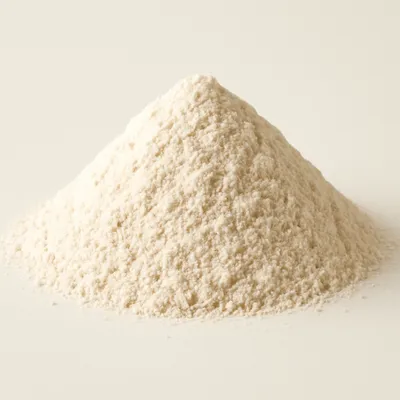




Sorghum was the dominant grain across the Fen River plain through the Qing dynasty; Shanxi people called it 红面 ('red flour'), and red-flour rubbed noodles were everyday staple food. The scraping technique — pushing soft grain paste through a perforated iron board into boiling water — was the traditional solution to a structural problem: sorghum dough lacks gluten and cannot be rolled thin or pulled without crumbling. Adding ground elm bark (榆皮面) provided the cohesion: the bark's natural mucilage bound the tannin-heavy starch granules so the paste could hold together through the grate. In June 2022 红面擦尖 was officially listed among the 十大山西面食 by the Shanxi government.
Stubby, slightly gritty strands with a faint, earthy sweetness from sorghum; the rough, porous surface soaks up braised-pork sauce so every bite is deeply sauced. Chewier at the centre, looser at the edges. The mild astringency of the grain lingers pleasantly after each mouthful.
Sorghum starch granules are smaller and denser than wheat, with a gelatinisation onset near 72°C — higher than wheat (60–65°C) — producing a firmer, less sticky gel. Condensed tannins (单宁) concentrated in the sorghum husk bind salivary proteins on contact, creating a mild, fleeting astringency. Elm-bark powder introduces plant mucilage that acts as a hydrocolloid binder, giving the tannin-heavy, gluten-free paste enough cohesion to extrude cleanly through the grate holes without crumbling. The perforated board creates many rough-edged strands; their high surface-area-to-volume ratio maximises sauce adhesion through capillary action.
Variations
The same scraping technique applied to oat (莜麦) flour produces 莜面擦尖; corn flour gives 玉米擦尖, each with its own county loyalties. Wealthier households sometimes blend wheat flour instead of elm bark for binding, reducing bitterness while softening the rustic character. Toppings range from the classic braised-pork 臊子 to egg-tomato sauce, or — in leaner times — simple fried scallion oil.
On the Palate
Where Sorghum-Rubbed Noodles sits in the Chinese flavor cloud
Ingredients
Serves 2How it's made
7 steps · 20 min
- 15 min
Sift sorghum flour and elm-bark powder together into a wide bowl. Dissolve salt in warm water, then pour into the flour in a slow stream while stirring with a chopstick until a smooth, thick, scoopable paste forms — it should hold its shape briefly on the spoon but slump slowly.
Watch outStir to a thick, scoopable paste that holds its shape briefly then slumps — too runny and it pours through the grate as mush; too stiff and it won't push through at all.
- 215 min
Cover with a damp cloth and rest the paste 15 minutes; it will firm slightly as the starch absorbs the remaining moisture.
- 312 min
Dice pork belly into 1-cm cubes. Heat oil in a wok over medium-high heat, add ginger slices and dried chilli, and stir-fry until fragrant. Add pork and sear until lightly browned. Stir in diced tomato and a ladleful of stock; simmer 10 minutes until the sauce is glossy and thick. Keep warm.
- 45 min
Bring a large pot of water to a vigorous rolling boil.
- 55 min
Set the wire-grate board (擦尖床) over the pot. Load a heaped tablespoon of paste onto the grate and use your palm to press-scrape steadily from back to front, pushing the paste through the holes into the boiling water. Reload and repeat until all the paste is used.
- 63 min
Stir gently with a chopstick to separate strands; boil until they float to the surface and the edges look slightly translucent, about 2–3 minutes. Scoop out with a slotted spoon.
Watch outBoil the strands until they float up and the edges look faintly translucent — that's done; sorghum sets firmer than wheat, so pull them the moment they surface.
- 72 min
Divide into bowls, ladle hot braised-pork topping generously over, add a drizzle of Shanxi aged vinegar, and serve immediately.
Archive tool suggestions — not reviewed
These legacy suggestions have not been evidence-reviewed and are not presented as required tools.



