A three-jin pyramid zongzi from Hengzhou, Nanning—so massive a single one feeds five. Eight wide banana leaves wrap layers of golden mung beans and glistening glutinous rice around a slow-cured pork belly marinated overnight in rice wine and spring onion. After seven to eight hours over gentle heat, every grain softens into a cohesive, yielding mass. Hengzhou homes still say: 'No zongzi, no New Year.'



The tradition of wrapping oversized zongzi in Hengzhou dates to the late Tang and early Song dynasties, when large extended-family households competed to demonstrate their prosperity through the scale of festival foods—historical accounts describe wealthy clans mobilizing over a hundred jin of glutinous rice per batch. The saying 'no zongzi, no New Year' became embedded in local life; weddings and major celebrations were similarly anchored to the giant zongzi. The craft was inscribed on Guangxi's third batch of autonomous-region-level intangible cultural heritage in May 2010, and Hengzhou was later awarded the national title 'Home of China's Giant Zongzi Cuisine.'
Cutting open the pyramid releases a warm rush of rice-wine-scented steam. The glutinous rice is glossy and cohesive, pulling apart in pillowy slabs; the mung beans dissolve into a faint savory cream between the grains; and the pork—all collapsed fat and silky protein—yields in tender hunks carrying a night's worth of patient marination.
Glutinous rice contains nearly 100% amylopectin—the branched starch polymer responsible for its signature stickiness. During the 7–8 hour simmer, amylopectin chains hydrate, swell, and interlock across grain boundaries into a continuous cohesive matrix. The mung beans contribute free amino acids and reducing sugars, which undergo limited Maillard browning at the water surface, deepening the golden hue of the rice layer. The banana-leaf wrapping acts as a natural steam sleeve, maintaining temperature above 100°C at the center and allowing volatile rice-wine esters, rendered pork fat, and leaf terpenes to permeate inward—creating a unified aromatic profile that no open-pot method can replicate.
Variations
Seafood zongzi: replace pork with dried whole shrimp and salted egg yolk. Sweet lotus-paste version: use red bean or lotus-seed paste filling with candied lard. Modern convenience version scaled to about 250 g, available in jasmine flower and osmanthus flavors.
On the Palate
Where Hengzhou Giant Zongzi sits in the Chinese flavor cloud
Ingredients
Serves 5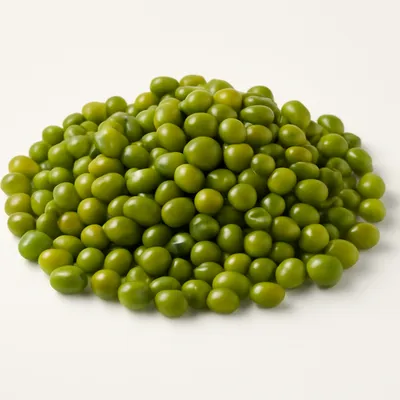


How it's made
7 steps · 1 hour
- 115 min
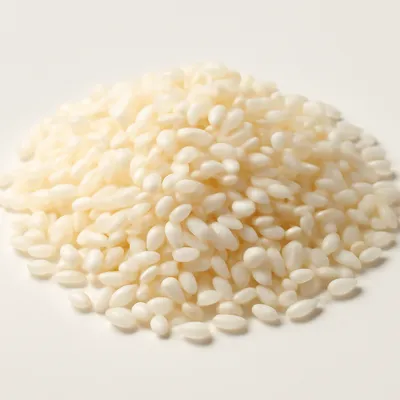
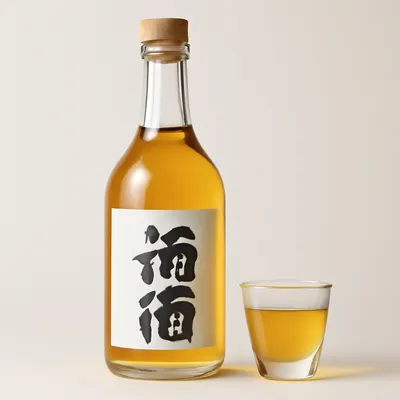
The day before: marinate pork belly (500 g) in rice wine (2 tbsp), salt, sugar, spring onion, and ginger slices for at least 12 hours refrigerated. Soak glutinous rice (500 g) in cold water for 8 hours and peeled mung beans (250 g) for 4 hours. Drain both thoroughly.
- 25 min
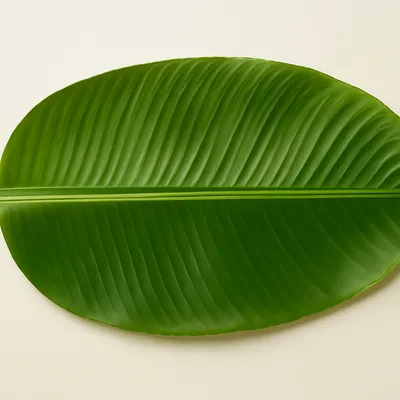
Wash 8 large fresh bamboo or banana leaves, blanch in boiling water for 2 minutes to soften and sterilize, then pat dry.
- 35 min
Season the drained glutinous rice with salt and a little vegetable oil. Season the drained mung beans with salt and toss to coat.
- 410 min
Lay two large leaves crosswise in a deep bowl. Spread a base layer of seasoned rice (about 200 g), add a layer of mung beans (about 80 g), place the marinated pork in the center, cover with another layer of mung beans, then top with rice to fully enclose.
- 510 min
Fold the leaves tightly up and around into a pyramid shape, pressing firmly to eliminate air pockets. Tie securely with banana-leaf string in multiple directions until the zongzi holds its form rigidly.
Watch outFold and tie the leaves hard into a rigid pyramid with no give — a loose zongzi lets water in and cooks to mush over the long boil.
- 6480 min
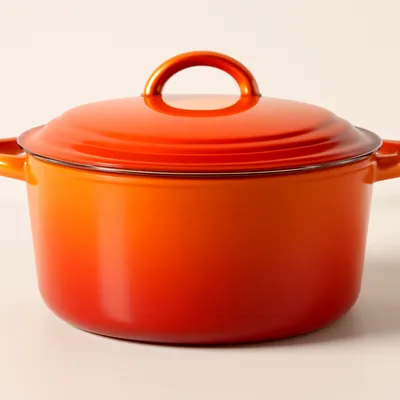
Place zongzi in a large pot and cover with cold water by at least 5 cm. Bring to a rolling boil over high heat, then reduce to a gentle simmer. Cook for 7–8 hours, adding boiling water as needed to keep the zongzi submerged.
Watch outKeep it at a gentle simmer and always submerged for the full 7 to 8 hours, topping up with boiling water — if it pokes above the water that spot stays hard and raw.
- 730 min
Remove from water and allow to rest for 30 minutes before untying. Serve hot cut into wedges, or refrigerate and pan-fry slices the next day for a crispier texture.
Archive tool suggestions — not reviewed
These legacy suggestions have not been evidence-reviewed and are not presented as required tools.