Anyang's defining morning bowl: wide, translucent noodles pressed from mung bean or sweet potato starch, submerged in a deep pork-bone broth and joined by slices of tofu, pig blood cake, and wilted greens. A curl of chili oil drifts on top. Every Anyang breakfast stall rises or falls on the quality of its broth alone.



Anyang, known through the Ming–Qing period as Zhangde Prefecture (彰德府), has long centred its morning food culture on the large communal soup pot. Oral tradition credits a man named Cui Liansheng as the founder of the Zhangde-style flat noodle soup: he reportedly began selling the dish at temple fairs—locals saying 'when you go to the fair, cure your hunger with a bowl of flat noodle soup'—before establishing a permanent shop. The flat noodle itself, cut from pressed starch sheets rather than extruded as round strands, was designed to absorb broth across its broad surface. By the Republican era, 扁粉菜 had become the canonical Anyang breakfast. (The Cui Liansheng founding story is oral tradition; no contemporary Qing document has been confirmed.)
Flat noodles arrive slippery-smooth, offering no resistance as they slide past the teeth; the broth is deep and porky with a warm backbone of spice. Blood cake contributes a mineral earthiness; chili oil sharpens the whole bowl to a fine point.
Flat noodles from high-amylose mung bean starch (amylose roughly 30 per cent) gelatinise at 62–72°C; cooling triggers retrogradation, forming an ordered crystalline network that gives the noodle a silky yet resilient chew and prevents over-softening in hot broth. The wide, flat cross-section maximises surface contact, efficiently absorbing glutamic acid, inosinate, and collagen-derived gelatin from the bone stock—compounds whose synergistic interaction produces layered umami. Fat droplets released from bone marrow during long simmering create a characteristic oily sheen and a mouth-coating richness.
Variations
Winter version adds braised pork belly slices. A lighter home version omits blood cake. Some vendors stir in a ladle of fermented millet porridge brine (粉浆饭 liquid) for a sour note. Double chili oil for the spice-seeking crowd.
On the Palate
Where Anyang Flat Noodle Soup sits in the Chinese flavor cloud
Ingredients
Serves 4

How it's made
7 steps · 30 min
- 110 min
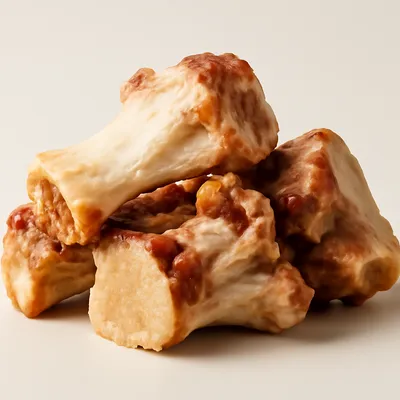
Place pork bones in cold water, bring to a boil, skim off all foam; drain and rinse the bones clean
Watch outSkim every bit of foam when the bones first boil, then rinse them clean — leftover scum muddies the broth grey.
- 2120 min
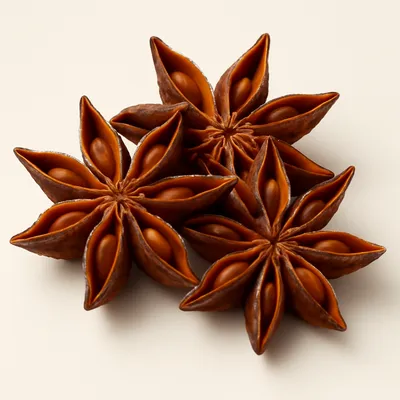
Return bones to pot with 2 litres fresh cold water, star anise, and dried chili; bring to a boil, then reduce to a steady simmer for 2 hours; strain broth and season with salt
- 330 min
Soak flat starch noodles in cold water for 30 minutes until pliable; drain
- 45 min
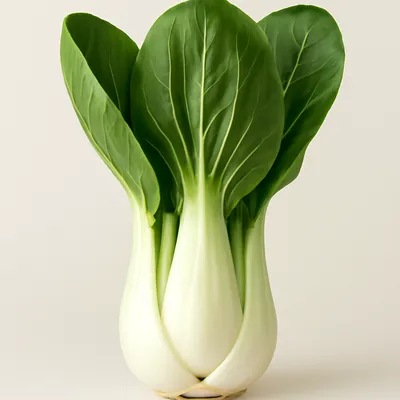
Slice tofu into 1 cm slabs; slice blood cake into 0.5 cm pieces; rinse bok choy
- 55 min
Bring strained broth to a rolling boil; add noodles and cook 4–5 minutes until just tender
Watch outCook the noodles just four to five minutes until tender but still springy — these starch noodles slacken fast in hot broth, so pull them a touch firm.
- 63 min
Add tofu, blood cake slices, and bok choy; simmer 2–3 minutes until vegetables are wilted and blood cake is heated through
- 72 min
Ladle into deep bowls; drizzle chili oil over the surface; serve at once while the broth is piping hot
Archive tool suggestions — not reviewed
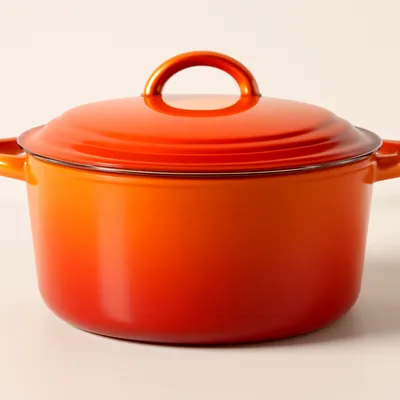
These legacy suggestions have not been evidence-reviewed and are not presented as required tools.