Xuzhou's "Greatest Broth Under Heaven" — a milky, long-simmered stock of old hen, pork hock, wheat berries, and a dozen medicinal aromatics, tracing its lineage to a legendary pheasant consommé prepared by the sage-cook Pengzu for Emperor Yao some four thousand years ago.





The dish traces to Pengzu (Jian Keng), the legendary culinary sage of ancient China, who some four thousand years ago prepared a broth of wild pheasant and Job's tears for Emperor Yao during an illness; the cure prompted Yao to grant Pengzu the feudal territory of Dapeng — present-day Xuzhou — making him the acknowledged first professional chef in Chinese recorded tradition. The story was already celebrated by the Warring States period: Qu Yuan's Chu Ci (《楚辞·天问》) asks "Pengkeng seasoned pheasant — how did the Emperor relish it?", recording this as one of the earliest named dishes in Chinese literature. The curious written character for the soup originated in a Qing-dynasty legend: when Emperor Qianlong tasted it in Xuzhou and asked "Is this what soup?" (啥汤?), his cook sketched the character by combining the food radical with 它, producing a character found in almost no other context. Qianlong reportedly bestowed the title "Greatest Broth Under Heaven." The Ma Shi Street shop earned the nationally recognised designation "Famous Chinese Snack" in 1997 and remains a celebrated Xuzhou culinary institution.
Silky and warming, with a broth so deeply layered it holds separate depths of mellow chicken fat, sweet wheat, and the quiet, almost medicinal perfume of star anise and cinnamon rising from beneath.
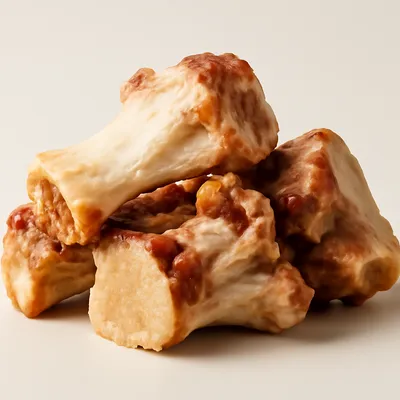
Ten-plus hours of barely simmering (65–75°C) convert bone and skin collagen into gelatin, giving the broth its silky, coating body. Wheat berries release starch gradually as they hydrate and swell, acting as a natural thickener alongside the gelatin. The spice bundle's volatile terpenoids — eugenol from cloves, cinnamaldehyde from cinnamon — are partly preserved at low simmer temperatures, layering fragrance without bitterness. A thin flour-and-water slurry added at the end locks in the consistency associated with the century-old Ma Shi Street shop.
Variations
The original Zhou dynasty recipe used wild pheasant and Job's tears; the court version added millet, lemongrass, and pickled plum. The modern Ma Shi Street formula substitutes old hen and pork hock for a richer gelatin yield. Some shops now offer a lighter version with only hen and wheat berries, omitting the pork entirely. Vinegar served on the side is an invariable tradition.
On the Palate
Where Sa Soup sits in the Chinese flavor cloud
Ingredients
Serves 6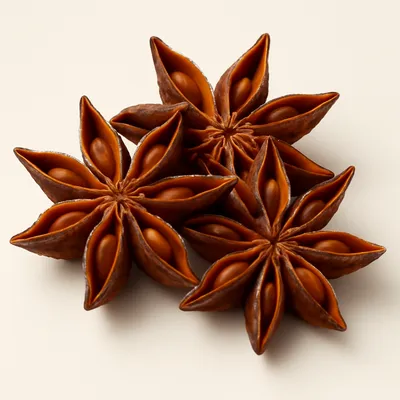

How it's made
7 steps · 40 min active + 11 hours waiting
- 110 min
Blanch the whole hen and pork hock in boiling water for 5 minutes; drain and rinse under cold water to remove blood and impurities.
- 25 min
Place hen, pork hock, and pork bones in a large stockpot with cold water; bring to a rolling boil and skim all foam.
- 35 min
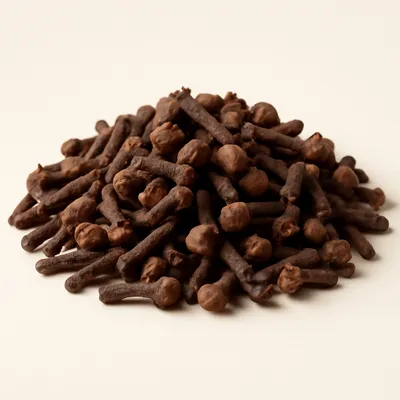
Add wheat berries, ginger slices, and the spice bundle containing star anise, cloves, cinnamon stick, cardamom, tangerine peel, white angelica root, and Sichuan pepper.
- 4660 min
Reduce to the lowest possible flame; keep at a bare simmer for 10 to 12 hours, adding hot water as needed to keep ingredients submerged; the broth should turn opaque white and aromatic.
Watch outHold the lowest possible flame at a bare simmer for 10-12 hours — the broth should turn opaque white and smell aromatic; a real boil clouds it and boils the fragrant spices flat.
- 510 min
Remove the chicken and pork; shred the chicken meat finely and set aside; season the broth with salt, white pepper, and a small amount of chicken seasoning.
- 65 min
Mix wheat flour with cold water into a smooth thin slurry; whisk it gradually into the simmering broth until the liquid takes on a light, silky body.
Watch outWhisk the thin flour slurry in gradually until the broth turns silky and lightly bodied — pour it in fast and it clumps into lumps.
- 75 min
Ladle into bowls; top with shredded chicken, a drizzle of sesame oil, and chopped cilantro; serve with a small dish of rice vinegar on the side.
Archive tool suggestions — not reviewed
These legacy suggestions have not been evidence-reviewed and are not presented as required tools.


