A bowl of Suzhou-style soup noodles from Kunshan, served in two classic forms: red-oil fried-fish noodles in a deep brown broth, and white-broth braised-duck noodles in a clear pale soup. The noodles are thin and firm, the broth is rich and singingly hot, and the whole bowl lives by the rule of the "five heats" — bowl, broth, oil, noodles, and topping all kept piping. Each serving is dressed to order rather than ladled from a communal pot, so the soup tastes clean and freshly composed. The maker, Aozao Guan, traces back to the late Xianfeng reign of the Qing, and the craft is listed as Jiangsu provincial intangible cultural heritage.



Aozao Guan, the noodle house behind the dish, was founded in Kunshan in the late Xianfeng reign — by the common account in the third year of Xianfeng (1853) — and was originally called Tianxiang Guan. Around the end of the Qing the shop passed to an embroiderer named Chen Xiuying, who renamed it Yanfuxing and, by carefully heeding her customers, worked out the celebrated red-oil fried-fish noodles. The white-broth braised-duck noodles came later, after the 1950s public-private merger brought in a cook skilled in that style; the shop took its present name, Aozao Guan, in 1956. The name "Aozao" itself is folklore: one tale says the Qianlong Emperor, touring the south, ate the noodles, asked the secret, and was told "the marvel is in the stove" (奥妙在灶头上); another, earthier story says the aging proprietress kept a less-than-tidy kitchen, so locals teasingly called it "aozao" (鏖糟, dialect for grubby), later refined into the homophone 奥灶. The making of the noodles is inscribed as Jiangsu provincial intangible cultural heritage.
The red-oil bowl arrives dark and glossy, a slick of fish-fragrant oil floating on a brown broth, the noodles pulled taut beneath a glistening square of fried black carp — sweet-savory on the outside, still moist within. The white-duck bowl is its mirror: a clear, pale soup, mellow and clean, crowned with tender soy-braised duck. Both come scaldingly hot; the thin noodles stay firm and springy rather than swelling soft, and the first mouthful of soup is rich without being greasy. Drink the broth straight — it is the point of the bowl, not an afterthought.
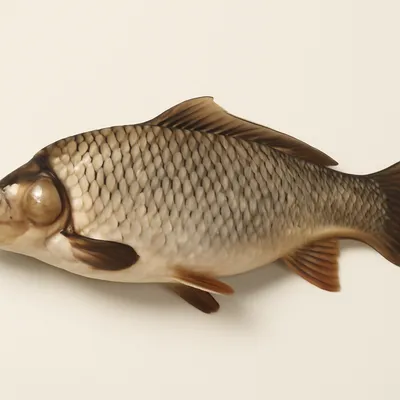
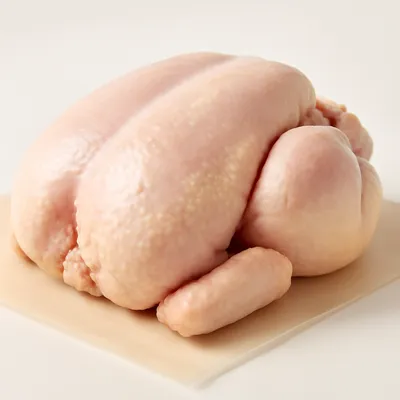
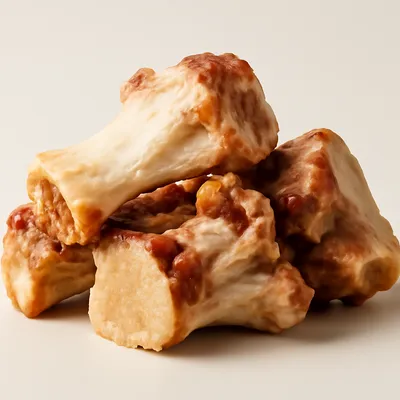
The two broths are the craft. The red soup is simmered from black carp, eel bones, and freshwater snails with soy sauce, then carries the fragrant oil left from frying the fish and braising the duck; the white soup is drawn long and clear from old hen, old duck, and pork bones. "Five heats in one body" is taken literally: bowls are held in boiling water before use (kept warm and clean), the made-up broth sits over a low fire, the dressing oil is hot, the noodles are blanched to order, and the topping is kept warm — every element above scalding so the bowl never cools on the way to the table. "Dressing the soup with small batches" (小料冲汤) means each bowl is composed individually rather than topped from one cauldron, which keeps the flavour clean and freshly made. The fried-fish topping (爆鱼) is the key garnish: black carp is marinated, deep-fried until the surface sets crisp, then steeped in a sweet-savory sauce so it drinks up flavour while staying tender inside.
Variations
The house keeps two parallel signatures — red-oil fried-fish noodles and white-broth braised-duck noodles — and the bowl is named for whichever broth and topping you choose. Local diners specify the noodle texture (firmer or softer), "heavy" or "light" oil, and extra or less scallion, and may order the broth plain or have it loaded with a chosen topping. Beyond the two classics, Kunshan shops also serve eel, three-shrimp, and seasonal toppings over the same broths, and a "crossing-bridge" style that keeps the topping on a side plate so the noodles stay firm.
On the Palate
Where Kunshan Aozao Noodles sits in the Chinese flavor cloud
Ingredients
Serves 2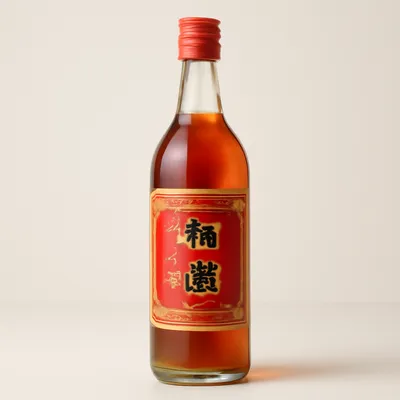



How it's made
8 steps · 40 min
- 1180 min
For the white broth, simmer old hen, old duck, and pork bones in plenty of water over low heat for at least three hours, skimming, until the soup is clean and full-bodied; for the red broth, simmer black carp pieces, eel bones, and freshwater snails with soy sauce.
Watch outHold the white broth at a bare tremble, never a rolling boil — a hard boil emulsifies the fat and clouds it; you want it simmered clean and clear.
- 220 min
Make the fried-fish topping: cut black carp into thick slices, marinate with Shaoxing wine, scallion, ginger, and soy, then deep-fry until the surface is crisp and set.
Watch outDeep-fry the carp until the surface is crisp and set before it steeps — fry it soft and it falls apart in the sauce instead of drinking it up.
- 315 min
Steep the just-fried fish in a warm sweet-savory sauce (soy, sugar, spices) so it drinks up flavour while staying moist inside.
- 490 min
Separately braise duck in a soy-and-spice master stock until tender; slice for the white-broth bowl.
- 510 min
Just before serving, scald the bowls in boiling water and keep the broths simmering over a low fire; reserve the fragrant oil from frying and braising.
- 63 min
Dress each bowl individually: ladle hot broth over a spoon of fragrant oil and seasoning in the scalded bowl — composed to order, not from a communal pot.
- 73 min
Blanch the thin wheat noodles in fast-boiling water until just firm, lift, drain well, and fold neatly into the broth.
Watch outBlanch the noodles only to just-firm, then lift at once — they keep softening in the scalding broth, so pull them while they still have bite.
- 82 min
Lay the fried-fish or braised-duck topping over the noodles and serve at once, piping hot.
Archive tool suggestions — not reviewed
These legacy suggestions have not been evidence-reviewed and are not presented as required tools.



