A Guigang clay-pot soup that slow-simmers marrow-rich pork leg bones with Qintang powdery lotus root — a starchy, short-node variety that dissolves into silky threads after three hours of low heat, turning the broth milky and deeply savory.
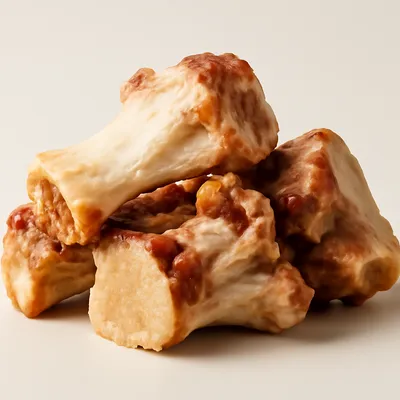
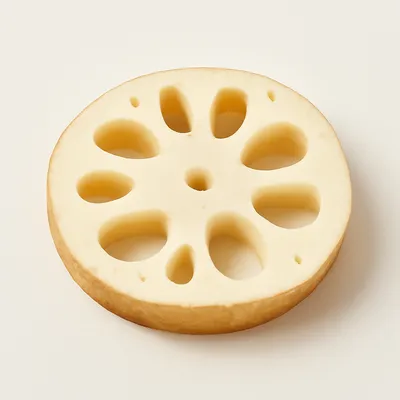



Qintang District in Guigang has cultivated its distinctive powdery lotus root variety for over 1,000 years. Situated at the confluence of the Xun, Yu, and Qian rivers, the alluvial plain provides loose, mineral-rich soil that produces the short-node, high-starch rhizomes the district is celebrated for. Local gazetteer records from the Guangxu reign of the Qing dynasty reportedly described two lotus root varieties cultivated near Guigang — red-flower and white-flower — noting the white-flower type as superior in yield and quality, and it is said that Qintang lotus root entered the Qing imperial kitchen as a tribute. The Song dynasty poet Lu You is said in local folk tradition to have praised the local lotus root in verse during travels through the region. In 2014 Qintang lotus root received national agricultural product geographical indication protection. The pairing with pork leg bones for a long-simmered soup is a Guigang household tradition served at Spring Festival and Mid-Autumn reunions — the phrase 藕断丝连 (lotus root breaks but its threads remain) embodying the wish for enduring family bonds.
A spoonful of milky broth with a whisper of marrow depth; the lotus root collapses softly on the tongue into a silky, faintly sweet starch — warming from the inside out, unhurried, complete.
Qintang's powdery lotus root stores starch with a high amylose-to-amylopectin ratio compared with crispy varieties; amylose gelatinizes more readily under sustained heat, creating the signature silky-stringy texture. The sticky liquid visible when a raw node is broken is concentrated starch gel that fully hydrates after 2–3 hours of simmering. Pork leg bones release collagen, which hydrolyzes into gelatin peptides over 3–4 hours at 90–95°C, giving the broth body and a coating mouthfeel. Lotus root's polyphenol oxidase is denatured early in cooking, and its phenolic compounds and alkaloids contribute mild antioxidant activity — consistent with the traditional Chinese medicine view of lotus root as a 清热利湿 food.
Variations
Red date and sweet lotus root soup (冰糖红枣莲藕汤, served chilled in summer); glutinous rice-stuffed lotus root (糯米藕, steamed and glazed with osmanthus syrup); stir-fried lotus root slices with dried chili and black vinegar.
On the Palate
Where Guigang Lotus Root and Pork Bone Soup sits in the Chinese flavor cloud
Ingredients
Serves 4How it's made
7 steps · 15 min
- 190 min
Soak pork leg bones in cold water for 1–2 hours, changing the water once to draw out blood.
- 25 min
Place bones in a pot of cold water; bring to a full boil, blanch 5 minutes, then drain and rinse off all foam and impurities.
Watch outBlanch the bones five minutes and rinse off every trace of foam — skip this and the scum clouds the broth grey instead of clean.
- 35 min
Peel lotus root and cut into 4 cm thick chunks; soak cut pieces in water with a splash of white vinegar to prevent browning.
- 410 min
Place blanched bones in a clay pot with 2.5 L fresh water, ginger slices, and scallion; bring to a vigorous boil for 10 minutes.
- 560 min
Reduce to the lowest possible flame; cover and simmer for 1 hour, skimming any remaining fat or foam.
- 6120 min
Add lotus root chunks; continue simmering covered on low heat for a further 2 hours until the lotus root is very tender and pulls into silky threads.
Watch outSimmer the lotus root a full two hours until it's powdery-soft and pulls into silky threads when broken — that stringiness is the whole point.
- 715 min
Season with salt in the final 15 minutes only; ladle into bowls, garnish with scallion, and serve.
Watch outSalt only in the last fifteen minutes — add it early and it draws water from the bones and toughens the meat.
Archive tool suggestions — not reviewed
These legacy suggestions have not been evidence-reviewed and are not presented as required tools.



