A sweet glutinous-rice ferment from Xiaogan in Hubei, eaten warm as a soupy dessert rather than drunk as wine. Steamed sticky rice is mixed with a local honeycomb-textured yeast starter and left to ferment for a few days, until the grains soften and a clear, fragrant, faintly alcoholic liquid pools around them. Served, it is loosened with water and warmed — often thickened with a little rice-flour slurry and dropped with small glutinous dumplings or an egg — into a milky-white, honey-scented bowl that is sweet, gently tangy, and barely boozy.



Xiaogan, in the home country of the legendary filial son Dong Yong, has brewed this rice wine for centuries. A late-Qing county gazetteer (the 1882 Xiaogan County Records) noted that the rice wine "came to be in Xiaogan, began in the Song, was later imitated everywhere, yet Xiaogan's alone stood out." Legend adds that the founding Song emperor Zhao Kuangyin, passing through, tasted it and praised it as a "divine dew" — a tale, retold locally, rather than fact. What is consistent across sources is the dish's Song-era roots and its making with Xiaogan's distinctive honeycomb yeast cakes.
A warm bowl, milky and a touch cloudy, smelling of honey and faint wine. The first taste is clean sweetness, then a gentle sourness underneath and the soft warmth — not heat — of light alcohol. The rice grains have gone tender and slippery, still whole, swimming in the thin sweet liquor; if there are little dumplings they are soft and chewy, if an egg, it ribbons through silky. It goes down easy and comforting, a dessert and a tonic at once, best when the bowl is hot.
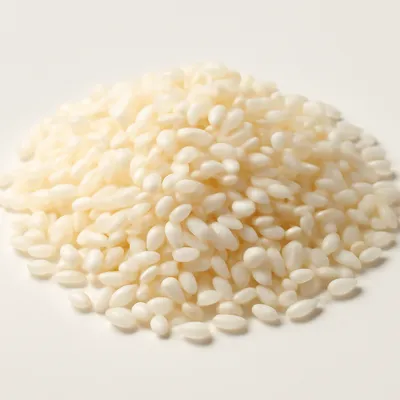
This is controlled fermentation. Glutinous rice is soaked, steamed firm, then rinsed cool so the grains are loose and separate, not clumped — clumping smothers the yeast. The crushed honeycomb starter, rich in the molds and yeasts that drive saccharification, is mixed through, and the rice is packed into a vessel with a well dimpled in the center to read the rising liquor. Kept warm, the molds first break the rice starch into sugar (the source of the sweetness), then yeast turns a little of that sugar into alcohol — stopped early, before it ferments dry, to keep the result sweet and only faintly boozy. To eat, it is diluted, warmed, and often bound with a rice-flour slurry so the broth lightly thickens.
Variations
Plain, it is eaten warm by the bowl; the most popular renderings drop in small glutinous rice balls (米酒汤圆) or whisk an egg through to ribbon it (蛋酒). A thin rice-flour slurry is often added to thicken. It also flavors other dishes and drinks, and the same ferment under its everyday names — jiuniang, laozao — is used across China to cook with.
On the Palate
Where Xiaogan Fermented Rice Wine sits in the Chinese flavor cloud
Ingredients
Serves 6How it's made
8 steps · 1 hour
- 140 min
Soak glutinous rice for several hours, then steam until firm and cooked through.
- 25 min
Rinse the hot rice with cool water and drain so the grains are loose, separate, and just warm.
Watch outRinse and cool the steamed rice until the grains fall loose and separate — clumped warm rice smothers the starter and won't ferment evenly.
- 35 min
Crush the honeycomb yeast starter and mix it evenly through the rice.
- 43 min
Pack the rice into a clean vessel and press a well in the center to gather the rising liquor.
- 52880 min
Cover and keep warm for two to four days until sweet liquid fills the well and the grains soften.
Watch outKeep it warm and wait for sweet liquid to pool in the center well — that's the sugar forming; stop here to keep it sweet before it ferments dry and boozy.
- 62 min
To serve, scoop out a portion and dilute with water in a pot.
- 73 min
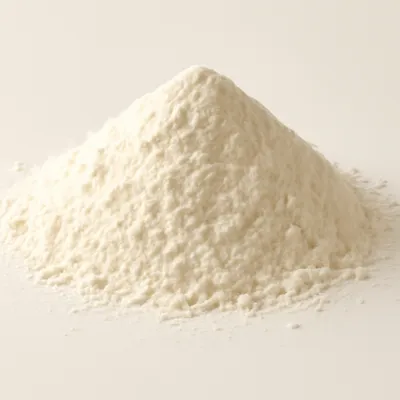
Warm through and, if desired, thicken with a thin rice-flour slurry.
- 83 min
Drop in small glutinous dumplings or ribbon in a beaten egg; serve hot.
Archive tool suggestions — not reviewed
These legacy suggestions have not been evidence-reviewed and are not presented as required tools.


