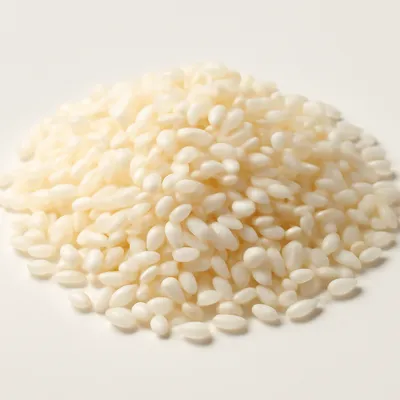
Osmanthus Rice Wine is a traditional Xi'an brew of fermented glutinous rice — milky, cloudy, and thick rather than clear, because the rice mash is pressed but never filtered fine. Made with glutinous rice and a small-starter yeast culture (小曲), it is sweet and gently tart, scented with candied osmanthus (黄桂), and very low in alcohol, so the old saying runs that one can "drink it without getting drunk." It is served warm in winter and chilled in summer, ladled cloudy into the cup. It belongs to the same fermented-rice family as jiuniang, but thicker, scented, and drunk as a wine.


Cloudy rice brews in this region trace far back — Chinese sources link the line to the "laoli" (醪醴) fermented drinks of the Zhou. By the height of the Tang, the Chang'an (today's Xi'an) ward of Changle-fang was famed for its wine, beloved high and low. By tradition the "dou of wine" in Du Fu's verse — "Li Bai, a dou of wine, a hundred poems" — refers to this thick rice brew, and a later tale has Emperor Xuanzong, delighted after tasting it with Yang Guifei, granting osmanthus to the shopkeeper, who candied the blossom in honey and stirred it into the wine to make "osmanthus thick-wine." These are legends, told as such. What is documented is the unbroken Guanzhong custom of a low-alcohol, unfiltered, osmanthus-scented rice wine carried into modern Xi'an.
It pours thick and opaque, the color of milk gone faintly ivory, with a soft body that coats the cup. The first taste is sweet and rounded, then a clean rice tartness rises behind it; the osmanthus sits on top as a light, honeyed floral note. There is barely any burn — it reads more like a warm, sweet rice broth than a wine, with the fine grit of suspended rice on the tongue. Warmed, it is comforting and fragrant; chilled, it is a sweet-sour cooler.
The brew rests on two-stage fermentation by a small-starter culture (小曲): molds, chiefly Rhizopus, first saccharify the glutinous-rice starch into glucose with their amylases — this is what makes it sweet — while yeasts in the same starter convert part of that sugar to alcohol. Held at around 30°C for roughly three days, the ferment is stopped early, so it stays sweet and stays weak — the low alcohol behind "drink it without getting drunk." The defining cloudiness comes from refusing to filter clean: unconverted starch, rice protein, and the threads of mold mycelium stay suspended, giving the milky, thick body. To serve, the mash is loosely strained, the liquor heated to a boil, then sweetened and scented with candied osmanthus and sugar — heating also checks further fermentation so the cup keeps its sweetness.
Variations
The classic is the osmanthus version, scented and sweetened at serving. A plain thick-wine without the blossom is the older base; some houses lean it sourer or sweeter, or stir in red dates or egg when warming it. It is close kin to jiuniang and laozao (醪糟) — the same saccharified rice ferment — but thicker, scented, and drunk by the cup as a wine rather than spooned as a sweet soup. Modern Xi'an bottles it commercially, though the old form is ladled fresh and cloudy from the jar and drunk warm.
On the Palate
Where Osmanthus Rice Wine sits in the Chinese flavor cloud
Ingredients
Serves 6How it's made
8 steps · 40 min
- 1240 min
Rinse glutinous rice and soak in cool water about four hours until the grains crush easily.
- 218 min
Steam the drained rice over high heat until about eighty percent cooked, still slightly firm at the core.
Watch outSteam only to about eight-tenths done with a firm core still in the grains — fully soft rice turns gummy and the starter can't breathe through it to ferment.
- 38 min
Rinse the steamed rice with cool water to loosen and cool it, then drain until just warm.
- 46 min
Crush the small-starter culture and toss it evenly through the rice.
Watch outToss the crushed starter through only after the rice has cooled to just warm — too hot and the heat kills the mold and yeast before they ever start.
- 54320 min
Pack the rice into a clean jar, seal, and ferment around 30°C for about three days until sweet and fragrant.
Watch outHold around thirty degrees and stop it early, in about three days, once it smells sweet and winey — go too long and it turns dry and boozy instead of sweet and gentle.
- 612 min
Ladle out the mash and strain loosely through a sieve to draw off the cloudy liquor, keeping it thick.
- 78 min
Heat the liquor to a boil, then stir in candied osmanthus and sugar to taste.
- 84 min
Serve hot in cold weather or chilled in summer, ladled cloudy into the cup.
Archive tool suggestions — not reviewed
These legacy suggestions have not been evidence-reviewed and are not presented as required tools.


