A Changsha banquet centrepiece and tonic dish: a whole tender hen slow-steamed in a sealed clay vessel with five traditional nourishing ingredients—longan, lotus seeds, lychee, black jujube, and goji berries. The 'immortal' name references the Taoist water-bath steaming technique in which the sealed vessel seems to cook itself without visible flame.


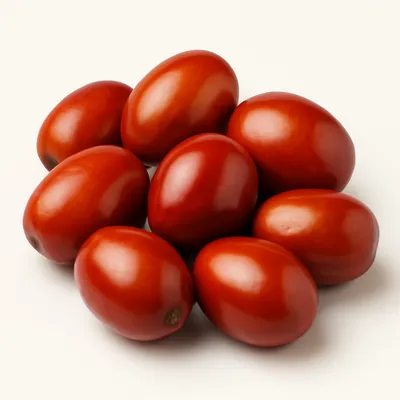

The dish descends from the 'Immortal Braised Chicken' (神仙炖鸡) recorded in the Qing dynasty culinary manual 《调鼎集》, which prescribed sealing a whole chicken with astragalus root inside a vessel and braising it via indirect water heat—'隔汤干炖'—for an extended period. The method took its 'immortal' name from the Taoist concept of effortless transformation: the sealed vessel needed no tending, cooking through its own captured steam. In the Guangxu reign (1875–1908), the Changsha restaurant Quyuan (曲园酒楼)—founded in that same era and later celebrated as the oldest Hunan cuisine establishment in Beijing—refined the original by substituting five fruit-based tonics—longan, lotus seed, lychee, black jujube, and goji berry—for astragalus, giving the dish its distinctive name. The number five invoked both the five-element (五行) framework and the notion of complete supplementation, elevating the dish to a banquet staple.
A silky, deeply savory broth with natural sweetness from longan and lychee; chicken flesh falls tenderly from the bone, perfumed with the subtle resinous sweetness of lotus and jujube.
Indirect water-bath steaming (隔水炖) holds the vessel at a sustained near-boiling temperature without the violent turbulence that toughens breast meat via rapid protein denaturation. Instead, collagen in skin, tendons, and connective tissue hydrolyzes slowly into gelatin over two-plus hours, giving the broth silky body without added starch. Longan and lychee contribute sucrose and fructose, subtly elevating sweetness and the Maillard potential on exposed protein surfaces. Lotus seeds release amylose starch as they swell, adding slight natural thickening. Goji berries supply zeaxanthin and carotenoids that tint the broth amber-gold. The sealed vessel traps all volatile aromatics, preventing aroma loss and creating the concentrated fragrance that defines the dish.
Variations
The original 《调鼎集》 version uses astragalus root instead of the five fruits, giving a more medicinal, less sweet flavor. Some restaurant versions substitute red dates for black jujube. A Hunan folk variant adds tianqi root for enhanced blood-nourishing properties, popular as a postpartum tonic.
On the Palate
Where Five-Treasure Immortal Chicken sits in the Chinese flavor cloud
Ingredients
Serves 5

How it's made
7 steps · 30 min
- 15 min
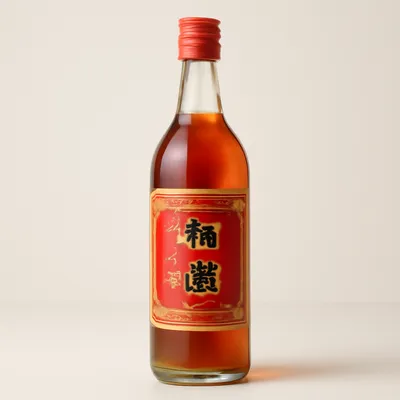
Rinse the whole tender hen inside and out; blanch in a pot of boiling water with ginger slices and Shaoxing rice wine for 3 minutes; remove and rinse under cold water to clean off scum
- 25 min
Rinse all five tonics: longan, lotus seeds, lychee, black jujube, and goji berries; drain well
- 310 min
Stuff the hen's cavity with the five rinsed tonics and several ginger slices; truss the cavity closed with kitchen twine so the filling stays inside during cooking
- 45 min
Place the stuffed hen breast-side up in a large clay vessel or casserole; add enough water to reach two-thirds up the side of the bird; add remaining ginger slices and salt
- 55 min
Seal the clay vessel tightly with its lid; for best results, press a rope of flour-and-water dough around the lid rim to create an airtight seal and trap all steam
Watch outSeal the lid with a rope of flour dough so no steam escapes — the trapped steam is what concentrates the broth's aroma over the long cook.
- 6120 min
Place the sealed vessel in a large pot of boiling water; maintain a steady simmer over medium-low heat for a minimum of 2 hours, replenishing the outer pot with hot water as needed
Watch outHold a steady gentle simmer for a full two hours — the near-boil water-bath melts the collagen to gelatin without toughening the breast.
- 75 min
Carry the sealed vessel to the table and open it there; remove the trussing twine from the chicken; ladle broth into bowls first, then serve the chicken pieces with the softened tonic fruits
Archive tool suggestions — not reviewed
These legacy suggestions have not been evidence-reviewed and are not presented as required tools.


