Lamb spine — the whole backbone, lean meat and marrow between the vertebrae — simmered long in a spiced broth and kept bubbling on the table as a winter hotpot. The name means "lamb scorpion": a single vertebra, with its little splayed processes, looks like a scorpion, and so does the curving spine. You gnaw the meat off the bone and suck the marrow from within, and when the meat is gone you swish vegetables, frozen tofu and noodles in the rich broth left behind. A marrow-deep dish for cold Beijing nights.





The name is the picture: a backbone vertebra, with its splayed processes, was likened to a scorpion. As a hotpot, lamb spine rose in Beijing in the mid-1990s and spread nationwide through the 2000s in chains. The favorite origin tale — a Mongol prince of the Kangxi reign, said to be the Prince of Naiman, smelling the simmering spine over a wall and naming it for its scorpion shape — is folk legend, doubted even where it is told, and the often-cited "three hundred years of history" is marketing rather than record. (Su Shi did write of gnawing roasted lamb spine in Huizhou "like eating crab claws," but that is an early note on eating the bone, not the ancestry of this dish or its name.)
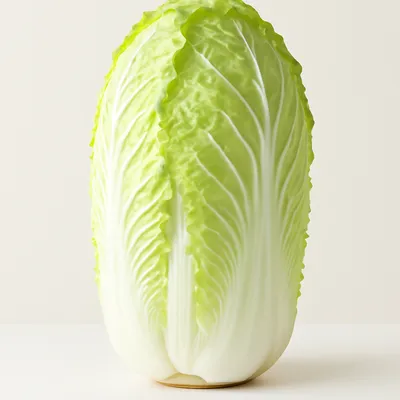
A pot of dark, fragrant broth crowded with knuckled lengths of spine, the meat between the bones firm and lean, the marrow soft inside. Eating is hands-on: you pick up a piece, gnaw the meat clinging to the bone, then suck the marrow from the hollow — the pleasure is as much in the gnawing as the taste. The broth runs deep and meaty, warmed through with pepper and spice. When the bones are picked clean, cabbage, frozen tofu, enoki and hand-pulled noodles go in to soak it up.
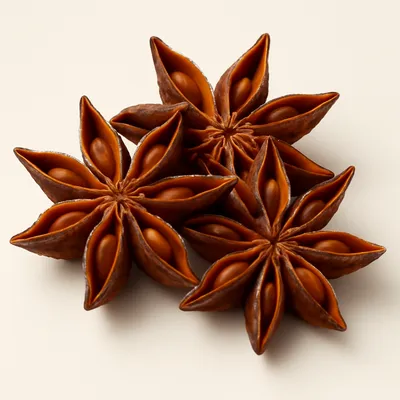
The spine is soaked to draw out blood, then blanched and skimmed until the foam runs clear. Aromatics — Sichuan peppercorn, star anise, cassia bark, bay, tsaoko, dried chili, scallion and ginger — are fried and the bones simmered an hour and a half, then rested another half hour, so the long cooking pulls collagen and marrow into the broth. That collagen turning to gelatin is what truly thickens the soup; the milky look of some versions is emulsified fat, an optical effect, not richer nutrition (and despite the legend, bone broth gives little calcium — the value is good protein and warmth). The pot then goes onto a burner as a hotpot for swishing vegetables and noodles. Red, mala broth is the modern favorite; clear and soy-savory versions are older Beijing styles.
Variations
By flavor: mala (the most popular today), clear broth (mild and tonic, with jujube and goji, the careful cook adding angelica and aged tangerine peel), and a soy-savory style common in old Beijing. By region: Beijing and the north favor the clear or soy-savory hotpot form that boomed in the 1990s, while Inner Mongolia and the northwest, working with grassland lamb, also clear-stew it or eat it hand-held. Modern chains built whole houses around the dish, leaning on a long-aged savory master stock.
On the Palate
Where Yang Xiezi sits in the Chinese flavor cloud
Ingredients
Serves 4

How it's made
8 steps · 30 min active + 2 hours waiting
- 160 min
Soak the lamb spine in cold water to draw out the blood.
- 210 min
Blanch the bones in boiling water, skimming the foam until it runs clear; drain.
Watch outKeep skimming until the foam runs clear and pale — that scum is the drawn-out blood, and any left in clouds the broth grey.
- 35 min
Fry the spices and aromatics — peppercorn, star anise, cassia, bay, tsaoko, chili, scallion and ginger — until fragrant.
Watch outFry the spices only until fragrant and the peppercorn just starts to smoke — push past that and the whole pot turns bitter.
- 45 min
Add the bones, soy sauce and enough water to cover; bring to a boil.
- 590 min
Lower the heat and simmer about an hour and a half until the meat loosens and the broth deepens.
Watch outIt's ready when the meat loosens from the bone and the broth has deepened — a slow steady bubble, never a hard rolling boil that muddies it.
- 630 min
Rest another half hour off the boil to let the marrow and collagen enrich the soup.
- 72 min
Move the pot to a table burner and keep it at a simmer.
- 815 min
Gnaw the meat and marrow, then swish cabbage, frozen tofu and noodles in the broth.
Archive tool suggestions — not reviewed
These legacy suggestions have not been evidence-reviewed and are not presented as required tools.

