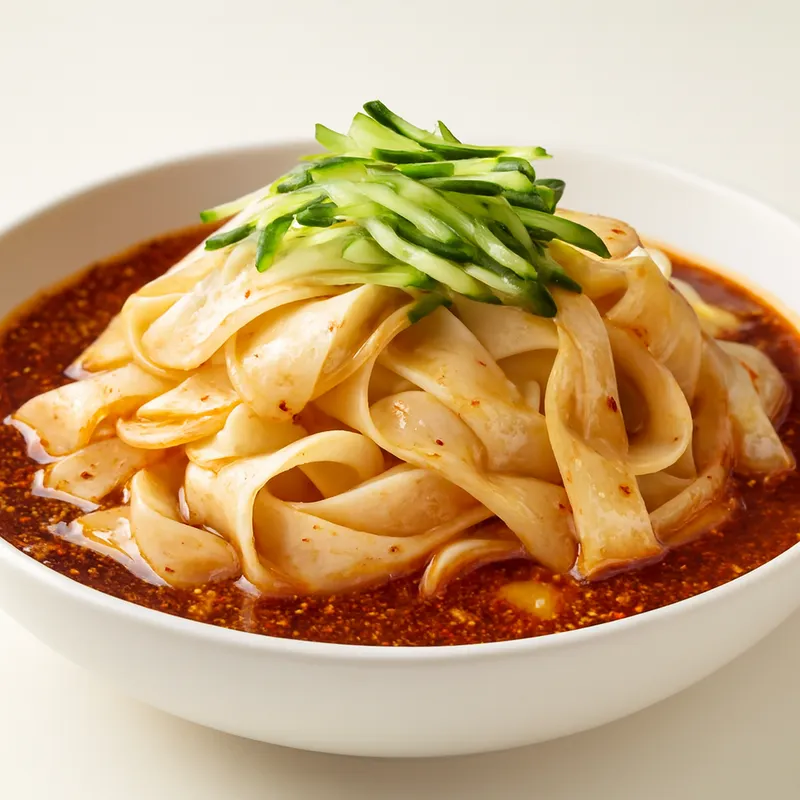
The slow-cooked meeting of two defining products of the Jianghan wetlands: Honghu wild duck from reed-marsh shallows and floury seven-channel lotus root from the same lake bed, braised together with pork belly, beer, and dried yellow peppers until the duck falls from the bone and the lotus root turns creamy-starchy. A winter centerpiece of Jingzhou home kitchens, codified as one of the inaugural 21 Chu cuisine standards in 2020.





Honghu Lake in the Jianghan Plain has been Hubei's foremost wetland for wild duck and lotus cultivation since the Ming-Qing period. Lotus cultivation in the lake district has been documented for over four centuries, with the starchy seven-channel variety prized for its high starch content and absorbent porous structure. The pairing of braised duck and lotus root reflects the Jianghan fishermen's natural use of two co-existing wetland resources. The 1961 film 'Red Guards of Honghu Lake' and its theme song 'Waves of Honghu Lake' brought nationwide attention to Honghu's duck and lotus as paired symbols of the region. In December 2020, the dish was codified as one of the inaugural 21 Chu cuisine standards.
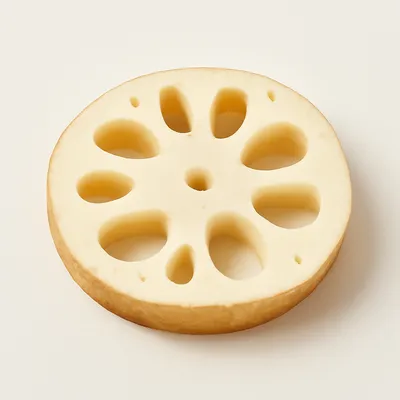
The lotus root is the quiet revelation: dense and powdery rather than crunchy, its seven hollow channels saturated with duck fat and braising liquid after a long cook. The duck is dark, deeply savory, and separates cleanly from the bone at a light press. The sauce—reduced beer, soy, and rendered duck fat—is thick enough to coat a spoon, carrying a gentle warmth from the dried yellow chili that lingers well after swallowing.
Honghu's starchy lotus root contains 20–25% starch by weight. During braising, the pressure differential between the liquid outside and the air-filled hollow channels drives braising liquid into the root's seven pores via capillary action; starch granules gelatinize at 60–70°C, fixing the absorbed liquid and producing the characteristic powdery-dense texture. Pressure-cooking the lotus root first begins starch gelatinization while preserving structural integrity; the subsequent open braise completes flavor absorption without collapsing the root. Duck skin and bones release collagen during the long cook, which hydrolyzes into gelatin at 80–90°C; combined with rendered duck fat, it emulsifies into a thick, glossy sauce. Beer's malt sugars undergo mild caramelization as the sauce reduces, adding a bittersweet background note.
Variations
Across Jingzhou, the same braise is made with wild coot (骨顶鸡) or domestic goose when wild duck is out of season. Young lotus shoots (藕带) can replace mature lotus root in late spring, yielding a crisper, lighter dish with shorter braising time. Some Wuhan households substitute fermented black bean paste (豆豉) for soy sauce to add a deeper fermented note. A richer winter version adds dried shiitake mushrooms and dried tangerine peel for additional aromatic complexity.
On the Palate
Where Honghu Duck Braised with Lotus Root sits in the Chinese flavor cloud
Ingredients
Serves 4

How it's made
7 steps · 30 min
- 117 min
Peel lotus root; cut into rectangular batons about 3 cm long and 1 cm thick; stir-fry in a dry wok over medium heat for 3 minutes to drive off moisture and release the starch paste; add 200 ml water and pressure-cook on medium for 7 minutes; set aside.
Watch outDry-fry the lotus root until it stops steaming and a sticky starch paste comes up on the pan — that's the surface starch releasing, which lets the root drink in the braise and turn powdery-dense.
- 212 min
Singe any remaining pin feathers from the duck with a flame; chop into 5×3 cm chunks; blanch from cold water, bringing to a boil and cooking 3 minutes; drain, rinse under cold water, and pat completely dry.
- 36 min
Score pork belly skin; slice into strips. In a wok, heat lard and vegetable oil; add pork belly and render over medium heat until fat releases and edges are lightly golden; push to one side.
- 48 min
Add ginger slices and dried yellow peppers; stir-fry 1 minute until fragrant. Add duck chunks and toss over high heat until surface moisture evaporates and skin begins to color, about 5 minutes.
Watch outToss the duck on high heat until the surface moisture is gone and the skin just starts to colour — drive off that water first or the braise steams the duck instead of building flavour.
- 532 min
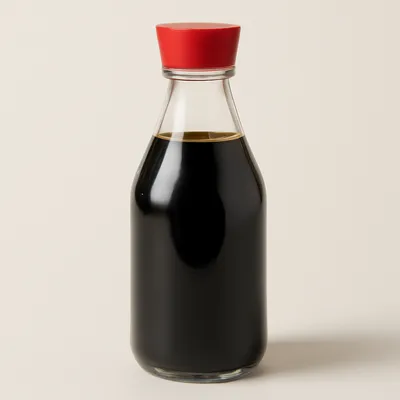
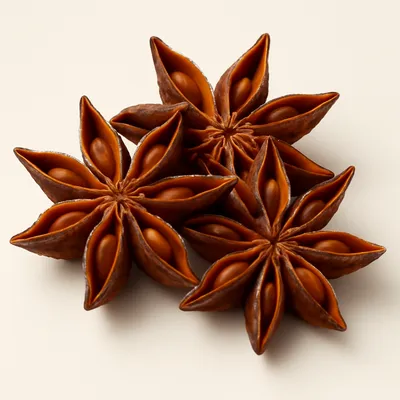
Add salt, scallion knots, sugar, star anise, and cinnamon; pour in cooking wine and soy sauce; add beer. Bring to a vigorous boil, cover tightly, and braise over low heat for 30 minutes.
- 612 min
Add the pre-cooked lotus root batons and dark soy sauce; continue braising 10 minutes, turning pieces occasionally, until sauce reduces and coats each piece in a glossy layer.
Watch outIn the last stretch, reduce until the sauce turns glossy and coats each piece in a thin sheen — that glaze is where the flavour concentrates, but pull it before it goes past syrup to burnt.
- 73 min
Remove scallion knots, star anise, and cinnamon; taste and adjust salt; transfer to a deep serving bowl and bring to the table immediately.
Archive tool suggestions — not reviewed
These legacy suggestions have not been evidence-reviewed and are not presented as required tools.