
A communal one-basin banquet from the Punti walled villages of Hong Kong's New Territories. A dozen-odd components — roast pork, chicken, duck, dried eel, dried oysters, shiitake, prawns, bean curd sticks, pork skin, and radish — are each cooked separately, then stacked layer upon layer into a single large basin. The clan sits around it and eats from the top down, so the braising liquid and rendered fat seep through to the prize layers below.




Poon choi — "sek pun" (eating from the basin) in the Wai Tau dialect — is the clan feast of the Punti lineages that built the walled villages of the New Territories. Those lineages took shape in the mid-to-late Ming dynasty, giving the custom roughly four centuries of continuous transmission. A popular tale traces it to a Southern Song episode involving Wen Tianxiang and the boy-emperor's fleet, but that account is folklore and undocumented. What is recorded is the practice itself: the village prepares poon choi to feast the whole clan at ancestral worship, da jiu (Taoist purification rites), weddings, the "din dang" lantern-lighting that registers a newborn son into the lineage, and ancestral-hall consecrations — and, in modern Hong Kong, at Spring Festival reunion dinners. "Sek pun" was inscribed on Hong Kong's first intangible cultural heritage inventory in 2014 and on the Representative List of the Hong Kong ICH in 2017.
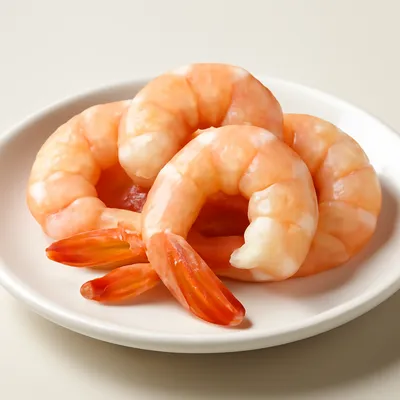
You eat a poon choi straight from the basin, chopsticks reaching in around the table. The top tier is the showpiece — whole prawns, glistening soy-glazed chicken and duck, springy fish balls — clean and distinct. Dig lower and everything turns darker and softer: roast pork that has given up its crackle for soaked-in savor, bean curd sticks gone silky, pork skin and radish at the very bottom heavy with pooled liquor. By the end the basin holds a single deep, layered braise, and the bottom radish — sponge-soft, dripping — is what the regulars wait for.
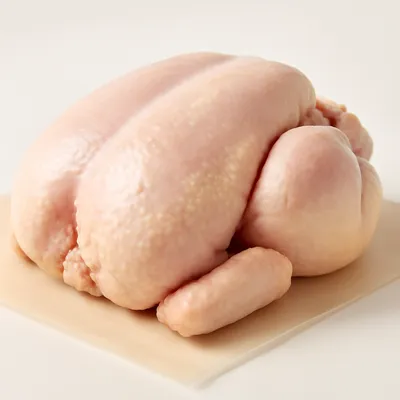
Poon choi is not one stewpot but an assembly. Each component is first cooked by the method that suits it — pork belly braised soft, pork is char-roasted to crackling, chicken and duck poached or soy-braised, shiitake and dried oysters simmered in their soaking water with oyster sauce, prawns seared, radish pre-simmered in stock. They are then layered "da pun" — stacking the basin — by density and by what should be eaten first: quick-eaten, delicate, expensive items (prawns, chicken) on top; sauce-hungry pieces (pork skin, bean curd sticks, radish) at the bottom. Reheated on the table, gravity does the cooking: rendered fat and braising liquid percolate downward, the porous lower layers act as a sponge, and the longer the basin sits the better the bottom tastes — the reverse of plated food, where the showpiece is on top but the reward is underneath.
Variations
Walled-village poon choi cooked by indigenous (yuen kui man) clans for ancestral and lantern-lighting rites is the traditional form, often built on Wai Tau braised pork, dried eel, and radish; modern Hong Kong restaurant and takeaway poon choi is a richer, looser version sold for the Spring Festival market. Lavish basins add abalone, sea cucumber, fish maw, dried scallop, and fat choy; a vegetarian "jaai poon choi" swaps in mushrooms, root vegetables, and bean curd skin for temple and Buddhist occasions. Festival da pun choi — single basins built to feed an entire village — are still cooked at clan events in places like Ping Shan, while the Pearl River Delta keeps its own kin, the Sham Tseng and Sha Jing styles across the boundary in Shenzhen.
On the Palate
Where Poon Choi sits in the Chinese flavor cloud
Ingredients
Serves 10


How it's made
8 steps · 4 hours
- 130 min
Prep the dried goods a day ahead: soak shiitake, dried oysters, bean curd sticks, dried eel, and pork skin in cold water until fully softened; reserve the mushroom and oyster soaking water.
- 2120 min
Braise the pork belly with ginger, spring onion, rock sugar, light and dark soy and rice wine until soft and richly colored; this is the flavor backbone of the basin.
Watch outBraise the pork belly until it's genuinely soft and richly colored — it's the flavor backbone that seeps down through the whole basin later.
- 390 min
Cook the proteins separately by their best method: char-roast or buy roast pork for crackling, poach or soy-braise the chicken and duck, sear the prawns, and simmer the shiitake and dried oysters in their soaking water with oyster sauce.
- 430 min
Peel and cut the radish; simmer it in stock for 15-20 minutes until translucent so it can later drink up the basin's liquid. Blanch the cleaned pork skin and bean curd sticks to remove off-odors.
Watch outPre-simmer the radish until translucent so it can drink up the basin's juices — raw radish at the bottom stays dense and won't soak.
- 525 min
Layer the basin (da pun) bottom-up: put the sauce-hungry radish, pork skin and bean curd sticks at the bottom, the braised pork in the middle, and the chicken, duck, roast pork, shiitake, oysters and prawns on top.
- 65 min
Pour the combined braising liquids and mushroom-oyster water down through the layers until the basin is moistened throughout.
- 715 min
Just before serving, set the whole basin over heat and bring it up to a gentle simmer so the fat and liquor percolate down into the lower layers.
Watch outBring the assembled basin up to just a gentle simmer at the table so the fat and liquor percolate down — a hard boil dries the top layers out.
- 85 min
Bring the steaming basin to the table whole and have everyone eat from the top down, scooping the juice-soaked radish and pork skin from the bottom last.
Archive tool suggestions — not reviewed
These legacy suggestions have not been evidence-reviewed and are not presented as required tools.


