
A big iron-pot stew from the Harbin countryside, named for the village where it was first cooked. Whole live river fish — carp most often, also catfish or other local freshwater fish — are stewed hard in a wide iron pot with cubes of firm tofu, slices of pork belly, and broad sweet-potato glass noodles (宽粉条), seasoned with fermented soybean paste (大酱), soy, dried chili, ginger and garlic. The fish simmers long enough to firm up and give its flavor to the tofu and noodles, which soak up the brick-red broth. It is served family-style straight from the pot, a hearty cold-weather dish of the Songhua River region.
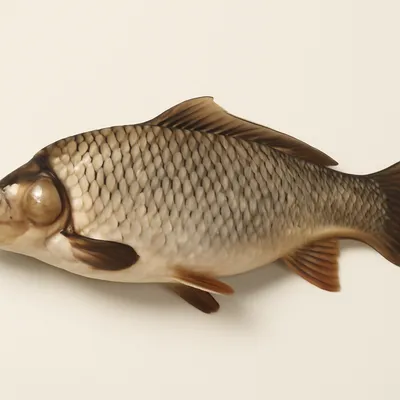




The dish is named for Demoli village (得莫利村) in Yihantong township, Fangzheng county, on the outskirts of Harbin, on the south bank of the Songhua River; the name is said to come from a Manchu word meaning 'ferry crossing.' The villagers there had long lived by fishing the river. The dish is generally traced to the early 1980s, when a small roadside eatery in the village began serving travelers a pot of local live fish stewed with tofu and broad glass noodles; the recipe traveled outward from there and the village's name traveled with it. Accounts that name the exact founder and year vary, so those details are best left open; the village origin, the river-fishing setting and the roughly early-1980s roadside beginnings are consistently reported. Fangzheng county listed Demoli live-fish stew as a municipal-level intangible cultural heritage item in 2010.
The fish comes out of the pot firm and flaky, not falling apart, with the muddy river note cooked away by the long stew and the soybean paste; the skin and the fatty pork belly give the broth a savory weight. The tofu is the quiet star — it has drunk in the brick-red liquid and turns soft and full of fish flavor in the mouth. The broad glass noodles are slippery and heavy with broth, the best thing in the pot to many. The whole thing is salty, deeply savory from the 大酱, with a low warm chili heat behind it. Done well the fish is intact and clean-tasting and the noodles are saturated but not mushy; done badly the fish breaks up into a bony muddle, or the pot is bland and thin because the paste and pork were skimped and the simmer cut short.
A hard, sustained simmer in a wide iron pot is the method. Live fish is used for clean flavor and firm flesh; pan-searing or lightly frying the fish first sets its surface proteins so it holds together through the long stew instead of disintegrating. Fermented soybean paste (大酱) is the backbone — its glutamates supply deep savory umami and its salt seasons the whole pot, while dried chili, ginger and garlic mask the earthy river note. Pork belly renders its fat into the broth, carrying flavor and richness. The dish is built on absorption: firm tofu, full of tiny pores, and the starch-gel broad glass noodles both soak up the seasoned, fish-rich liquid as it reduces, so they end up tasting more of the pot than the fish does. The wide iron pot holds steady, even heat and lets the liquid cook down and concentrate; the long simmer is what melds the separate ingredients into one flavor.
Variations
The fish is not fixed: carp is the classic choice, but catfish (鲇鱼), yellow-catfish (嘎牙子), crucian carp (鲫鱼) and silver carp are all used, and many cooks stew a mix. The three near-constant companions are tofu, broad sweet-potato glass noodles and pork belly, but cooks add wide flat noodles, vermicelli, potato chunks, dried bean curd, or napa cabbage to bulk out the pot. Seasoning ranges from a soy-and-paste savory version to a heavier chili one. The dish belongs to the broad Dongbei family of iron-pot stews (铁锅炖) — kin to 铁锅炖大鹅 (goose) and 铁锅炖排骨 (pork ribs) — and is often cooked the same way, with cornmeal flatbread (玉米面饼子) stuck round the rim of the pot to steam over the stew.
On the Palate
Where Demoli Stewed Fish sits in the Chinese flavor cloud
Ingredients
Serves 4



How it's made
7 steps · 30 min active + 40 min waiting
- 115 min
Scale, gut and clean the live fish, score the body a few times on each side, and pat dry; cut firm tofu into thick cubes, slice the pork belly, and soak the broad glass noodles in warm water until pliable.
- 26 min
Heat oil in a wide iron pot and lightly fry or sear the fish on both sides until the skin is set and lightly colored, so it will hold together in the stew; lift it out.
Watch outSear the fish on both sides just until the skin sets and lightly colors — this firms the surface so the fish holds together through the long hard simmer instead of falling apart.
- 34 min
In the same pot render the pork belly slices, then fry ginger, garlic and dried chili until fragrant and stir in the fermented soybean paste.
- 43 min
Add soy sauce, a little sugar and enough water or stock to nearly cover, and bring to a hard boil.
- 518 min
Return the fish to the pot and add the tofu cubes; simmer hard, spooning broth over, until the fish is firm and the broth has taken on its flavor.
- 610 min
Add the soaked broad glass noodles and let them simmer in the broth until slippery and saturated, while the liquid reduces and thickens.
Watch outLet the soaked wide noodles simmer until slippery and saturated as the broth reduces and thickens — they should drink up the sauce, not sit in a thin soup.
- 72 min
Check the seasoning, scatter over chopped scallion and cilantro, and bring the whole iron pot to the table to eat family-style.
Archive tool suggestions — not reviewed
These legacy suggestions have not been evidence-reviewed and are not presented as required tools.


