Baodian braised donkey meat from Ningjin County, Dezhou, is one of Shandong's most storied cold-cut delicacies. Dezhou black donkeys — raised in a sharply seasonal monsoon climate — yield lean, finely grained meat that simmers for eight to twelve hours in aged broth and a seven-spice sachet, emerging deep mahogany, silky-firm, and freighted with layered herbal warmth. It is the first of Ningjin's celebrated "three great foods."



Baodian donkey meat carries more than two hundred years of recorded history, tracing to the Jiaqing reign of the Qing dynasty. Local oral tradition holds that three brothers — Li Changrong, Li Changshan, and Li Changchun — slaughtered a donkey that had broken its leg; postal couriers on the Shandong–Shanxi route passing through Baodian's busy relay station praised the flavor effusively, and the brothers abandoned farming to sell braised donkey meat commercially, passing the craft down from generation to generation. By the late Qing era a local saying had hardened: "Changuan baozi, Daliu noodles, for donkey meat you must go to Baodian" — ranking the three great foods of Ningjin. Designated Dezhou municipal intangible cultural heritage in 2006.
Cold and sliced paper-thin, each piece carries deep spice warmth — fennel, cinnamon, clove threading beneath a clean, meaty richness. The texture is remarkably fine-grained for donkey: lean and firm, yet never chewy, dissolving slowly with a savory, faintly sweet aftertaste. Best eaten with a smear of raw garlic paste and a sesame flatbread to catch the juices.
Donkey meat contains less intramuscular fat and more type-I collagen than beef or pork. Extended simmering at a sustained moderate temperature converts this collagen to gelatin, which coats every muscle fiber and creates the characteristic "lean without dryness" texture upon cooling. The post-cooking soak in the reduced broth drives concentrated spice compounds and salt deep into the meat by osmosis, while the setting gelatin forms a glossy, mahogany surface layer. Dezhou black donkeys raised in a distinct monsoon climate — with sharply separated wet and dry seasons — develop finer muscle fibers and lower fat content than donkeys from other regions, a terroir advantage the locals have long recognized.
Variations
In Dezhou city proper, some older shops retain the historical practice of adding a small amount of saltpeter (火硝) for color fixation and preservation; modern versions omit this and rely on longer initial blanching and a tighter broth reduction. Donkey-bone soup made from the same cooking broth is sold alongside the meat at Baodian shops and is considered the essential accompaniment.
On the Palate
Where Baodian Braised Donkey Meat sits in the Chinese flavor cloud
Ingredients
Serves 8

How it's made
7 steps · 1 hour 15 min active + 12 hours waiting
- 120 min
Rinse donkey meat in cold water; scrub repeatedly with coarse salt and a pinch of baking soda to eliminate any off odors; rinse thoroughly and cut into large 300g chunks.
- 235 min
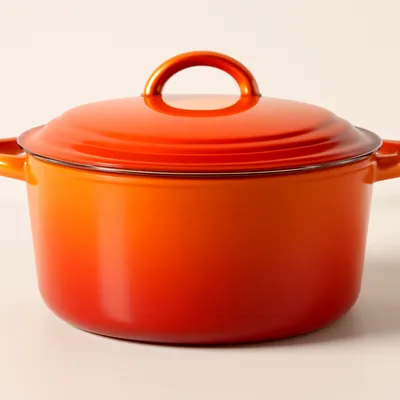
Line the pot bottom with split donkey leg bones; layer the meat fat-side up in the pot; add cold water to cover, bring to a vigorous boil, skim the grey foam thoroughly, then discard the first cooking liquid.
Watch outSkim the grey foam thoroughly on the first boil and throw that water out — it carries the blood and off-smells that would muddy the braise.
- 310 min
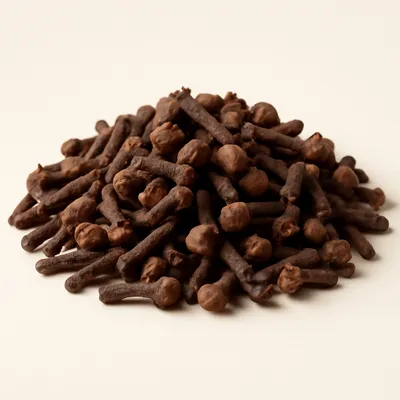
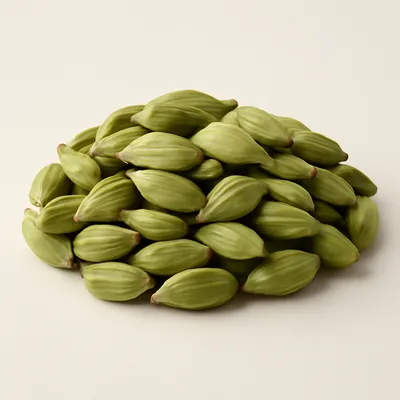
Return fresh cold water to cover the meat; add a cloth spice sachet containing fennel seeds, Sichuan peppercorn, cinnamon, cloves, cardamom, black cardamom, and fresh ginger; add a generous ladle of aged stock (老汤) and season with salt.
- 4480 min
Bring to a boil then reduce to a sustained medium simmer; cook 8–12 hours, turning the meat 4–5 times to ensure even coloring and prevent sticking; skim excess fat as it renders.
Watch outHold a steady moderate simmer for the long cook, not a hard boil — that slow heat is what melts the collagen to 'lean without dryness.'
- 530 min
In the final 30 minutes, taste and adjust salt; the broth should be deep amber and reduced by a third.
- 6210 min
Turn off the heat; submerge the meat fully in the cooking liquid and soak for 4 hours (or overnight) to deepen flavor penetration and develop the mahogany surface coating.
Watch outLet the meat soak in the reduced broth off the heat for hours — that cold steep drives the seasoning deep and builds the mahogany surface.
- 710 min
Lift meat from the broth, cool completely at room temperature, then slice thin across the grain; serve cold with raw garlic paste and sesame flatbread; reserve the broth as aged stock.
Archive tool suggestions — not reviewed
These legacy suggestions have not been evidence-reviewed and are not presented as required tools.