Free-range chicken sealed in an earthenware pot and slow-braised four hours until the meat collapses at a touch—so aromatic the scent carries a hundred paces, earning the dish its nickname 'Hundred-Pace Fragrance.'
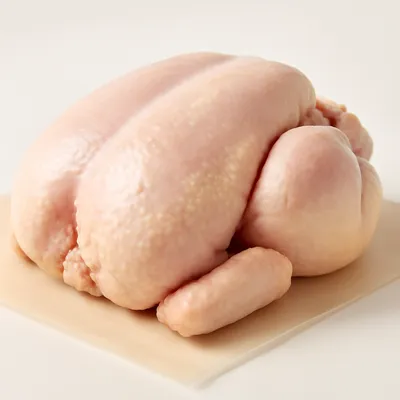


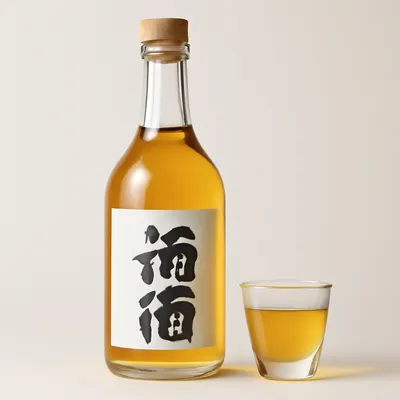
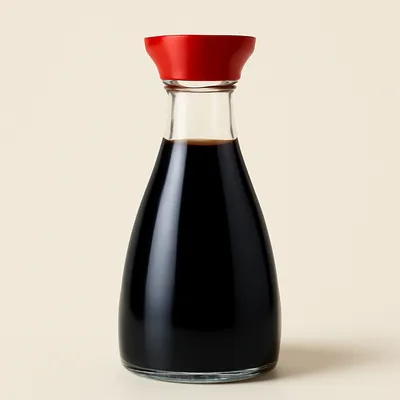

Dongyang Clay-Pot Chicken—also known as Dongyang Earthenware Chicken and nicknamed 'Hundred-Pace Fragrance' (百步香)—is a landmark dish of Jinhua's Dongyang County awarded one of Zhejiang's Ten Best Chicken Dishes in the 2023 provincial 'Taste of Zhejiang' culinary competition. Folk memory traces the recipe to the Qing Jiaqing reign (1796–1820): a dutiful son, finding his clay pot cracked, improvised with a raw earthenware vessel to braise chicken for his ailing mother. The resulting dish was so aromatic it perfumed the entire village—'one family steams chicken; the fragrance carries a hundred paces'—and the nickname 百步香 was born. The dish uses free-range chickens aged at least two years, valued for their firmer muscle and deeper flavor compared to farmed birds. Dongyang's tradition of using porous earthenware pots predates the legend; potters in the county have supplied the region's kitchen ware for centuries, and the local cooking method of sealing vessels with wet dough or foil to trap aromatics is shared across Jinhua mountain cuisine.
Peeling back the foil seal releases a plume of steam thick with roasted chicken perfume and the warm spice of aged rice wine. The meat is so tender it collapses at a touch—a whole chicken appears intact until lightly prodded, when it separates into silk-textured pieces. The broth is crystalline and naturally sweet, tasting of the open land the bird roamed; dried bamboo shoot lends earthy depth.
Porous earthenware conducts heat evenly and moderates temperature swings, maintaining the pot interior at approximately 90–95°C—hot enough to hydrolyze collagen into gelatin but low enough to prevent muscle fibers from seizing. The sealed lid creates mild overpressure that raises the effective boiling point by 2–3°C, accelerating the release of inosinate (IMP), the nucleotide primarily responsible for deep savory flavor in poultry. Rice wine's ethanol co-extracts fat-soluble aromatic compounds into the broth, yielding a richness impossible from water alone. Two-year-old birds carry significantly more intramuscular fat and connective tissue than young chickens, both of which convert during long braising into flavor and body.
Variations
The purist version uses only rice wine, ginger, and salt, relying entirely on the chicken's own flavor. A tonic variant adds astragalus root, wolfberry, and codonopsis for a medicinal boost favored postpartum. A heartier version layers spare ribs and fresh chestnuts on the pot bottom. Urban restaurants increasingly substitute ceramic casseroles for earthenware, sealing with foil in place of wet dough, which works but sacrifices some of the porous-clay aromatics.
On the Palate
Where Dongyang Clay-Pot Chicken sits in the Chinese flavor cloud
Ingredients
Serves 4

How it's made
7 steps · 30 min
- 115 min
Slaughter and clean a two-year-old free-range chicken; blanch in rapidly boiling water 2 minutes, then rinse under cold water to remove blood and foam
- 210 min
Soak dried bamboo shoots in cold water until pliable, then cut into sections; slice pork belly into thick pieces; smash ginger with the flat of a knife
- 310 min
Line the earthenware pot bottom with broken pottery shards or a bamboo mat to prevent direct scorching; layer in pork belly, then set the whole chicken breast-side down on top; add bamboo shoot, ginger, soy sauce, and rice wine; pour in cold water to just cover
- 45 min
Seal the pot rim tightly with aluminum foil and press down the lid; tie string around the rim to secure; place over medium-high heat and bring to a rolling boil
Watch outSeal the pot rim tight with foil before it goes on the heat — the trapped steam is what cooks the bird; a leaky seal dries it out over four hours.
- 5240 min
The moment foil begins to puff, reduce to the lowest possible heat; simmer undisturbed for 4 hours—do not lift the lid during cooking
Watch outThe instant the foil puffs, drop to the lowest heat and don't lift the lid — every peek lets the aroma and steam escape.
- 610 min
Remove from heat; rest 10 minutes before peeling back the foil at the table
- 75 min
Season lightly with salt; ladle broth into bowls first, then portion the tender chicken and bamboo shoot; serve directly from the pot
Archive tool suggestions — not reviewed
These legacy suggestions have not been evidence-reviewed and are not presented as required tools.

