A hearty Dongbei winter stew pairing slow-cooked beef shank with ripe tomatoes. The tomato's natural acidity gently breaks down the beef's collagen while building a bright, deeply savory broth — the definitive cold-season comfort bowl of the black-soil northeast.
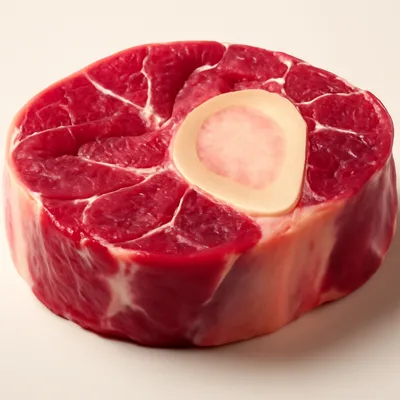





Beef and Tomato Stew belongs to Dongbei's celebrated tradition of slow-braised 炖菜 (winter stew-pot dishes). Tomatoes entered Heilongjiang and Jilin in significant quantities during the late Qing era, partly through Russian and Eastern European settlers who arrived along the Chinese Eastern Railway corridor (built 1897–1903), where tomato cultivation was already a household staple. By the early Republican period, families across Harbin's Daoli and Daowai districts were combining them with local yellow-cattle beef in long winter braises. The dish channels the Shandong slow-cook lineage brought north by Han migrants during the great 闯关东 migrations, but adapted to the northeastern palate's love of bold, sour-savory flavors and enormous portions.
The first hit is a burst of bright tomato acidity, then the beef yields in tender, gelatinous ribbons that dissolve against the tongue. The broth is viscous and deeply savory, with a quiet sweetness at the finish — the definitive Dongbei winter comfort bowl.
Citric and malic acids from tomatoes lower the broth's acidity, accelerating hydrolysis of collagen peptide bonds in beef and converting them to gelatin — producing the characteristic melt-tender texture without the meat falling apart. Tomato's glutamic acid synergizes with beef's inosinic acid (IMP), multiplying perceived umami far beyond either ingredient alone. Heat isomerizes lycopene from its cis to trans form, increasing bioavailability and deepening the broth's orange-red hue.
Variations
Home cooks often add potato chunks to naturally thicken the broth. A winter variant replaces tomatoes with sour cabbage (酸菜), substituting fermented lactic acid for fresh tomato acidity. Restaurant versions sometimes use fatty beef brisket instead of shank for a richer, marbled mouthfeel.
On the Palate
Where Beef and Tomato Stew sits in the Chinese flavor cloud
Ingredients
Serves 4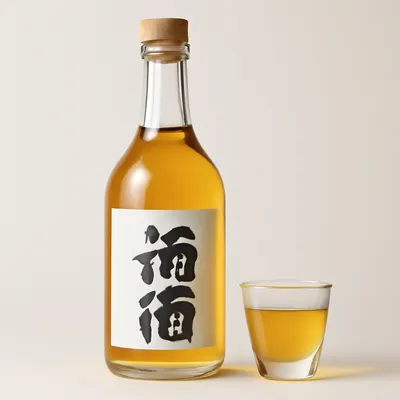


How it's made
7 steps · 15 min
- 110 min
Cut beef shank into large chunks. Place in a pot of cold water, bring to a boil, and blanch for 5 minutes, skimming off the grey scum. Drain and rinse the beef under cold water.
- 25 min
Score a cross in the base of each tomato. Blanch in boiling water for 30 seconds, then peel off the skin and cut into large wedges.
Watch outAfter thirty seconds in boiling water the skin should curl back at the cross-cut — that's your signal it'll peel off clean in one piece.
- 33 min
Heat oil in a heavy pot over medium heat. Add scallion sections, ginger slices, and garlic cloves; stir-fry until golden and fragrant, about 3 minutes.
- 44 min
Add the blanched beef chunks and stir-fry for 3–4 minutes. Pour in light soy sauce and rice wine, tossing to coat and color the meat.
- 53 min
Add the tomato wedges and stir until they begin to release their juice, about 3 minutes. Pour in enough hot water to fully cover all ingredients.
Watch outStir the tomatoes until they slump and release a pool of juice before adding water — that released pulp is what thickens and reddens the broth.
- 690 min
Bring to a boil, season with salt, then reduce to the lowest possible simmer. Cover and braise for 90 minutes, until the beef is tender enough to pull apart with chopsticks.
Watch outBraise on the lowest simmer until the beef pulls apart easily with chopsticks — a hard boil toughens the meat and clouds the broth.
- 75 min
Uncover and raise the heat to high. Reduce the broth until it thickens and turns glossy. Taste, adjust seasoning, scatter scallion greens, and serve.
Watch outReduce uncovered over high heat until the broth thickens and turns glossy enough to coat the meat — that's when it clings instead of watering out.
Archive tool suggestions — not reviewed
These legacy suggestions have not been evidence-reviewed and are not presented as required tools.
