A Xinyang classic in which sweet mountain chestnuts and a free-range young chicken are braised together until the chestnut starch melts into the sauce and the chicken falls from the bone — at once a seasonal harvest dish and an award-winning regional staple.
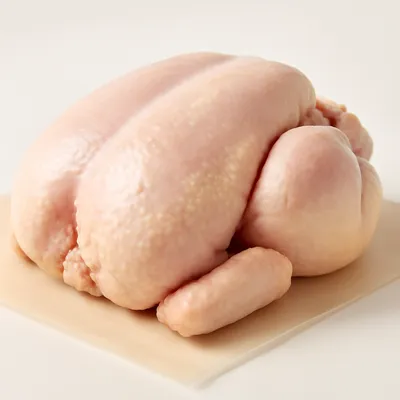




Xinyang's Dabie Mountain range is one of Henan's principal chestnut-producing zones, with autumn harvests historically supplying markets across central China. Local farming families developed the habit of combining freshly harvested chestnuts with free-range young chickens — birds under six months old — as a seasonal celebration of the autumn larder. The pairing was not merely culinary: traditional Chinese dietary wisdom counted both chestnuts (warming, kidney-nourishing, tendon-strengthening) and young chicken (qi-replenishing, blood-nourishing) as restoratives that rebuild energy after summer's heat. The dish later earned official recognition as a Chinese Famous Dish.
The chestnut dissolves at the edges while holding a faintly floury center; the sauce is sweet, glossy, and deeply savory from the chicken juices; the young chicken is tender throughout, absorbing the nutty sweetness that defines the dish.
Chestnuts contain roughly 40 to 50 percent starch — a proportion closer to a grain than to most nuts. As they braise, the starch granules gelatinize — absorbing water and swelling — which thickens the sauce naturally without added starch. Young chicken (under six months) has shorter, less cross-linked muscle fibers and less developed connective tissue than older birds; it reaches fork-tender texture in about 40 minutes of braising. As the chicken cooks, dissolved collagen peptides and the soluble sugars released from the chestnuts interact in a mild Maillard reaction that deepens the sauce color and adds caramel complexity.
Variations
Some cooks add a piece of fermented red tofu (nanru) for extra umami depth; a winter version incorporates dried shiitake mushrooms, which contribute additional glutamate and rehydrate fully in the braising liquid; a lighter variation omits the dark soy sauce and uses only light soy sauce and rock sugar for a paler, sweeter sauce.
On the Palate
Where Chestnut-Braised Young Chicken sits in the Chinese flavor cloud
Ingredients
Serves 4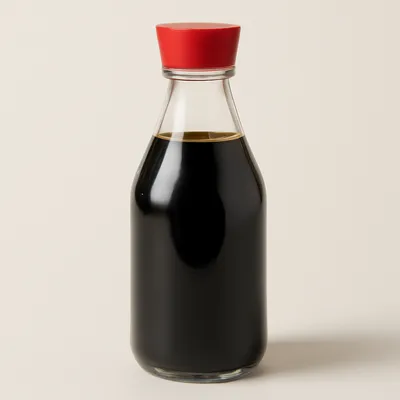


How it's made
7 steps · 25 min
- 110 min
Score chestnuts with an X cut on the flat side; boil for 8 minutes, then drain and peel while still warm, removing both shell and inner skin. Keep whole.
- 25 min
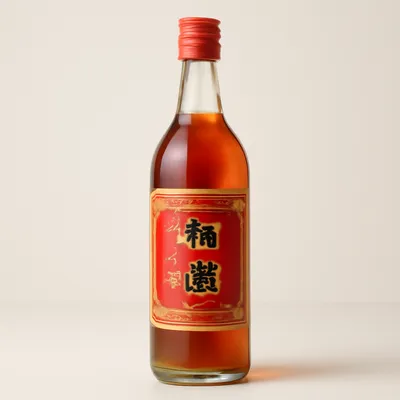
Cut the young chicken into serving pieces; blanch in boiling water with ginger and Shaoxing wine for 2 minutes, drain and set aside.
- 34 min
Heat oil in a wok or casserole over high heat; sear the chicken pieces until lightly golden on all sides, about 4 minutes total.
Watch outSear the chicken pieces lightly golden on all sides before the liquids go in — that surface color deepens the braise; pale meat leaves it flat.
- 42 min
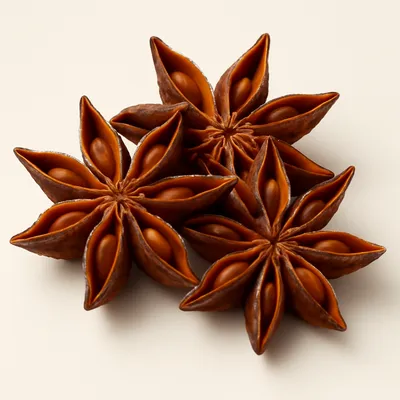
Add ginger slices, garlic cloves, and star anise; stir-fry 30 seconds, then add light soy sauce, dark soy sauce, oyster sauce, and Shaoxing wine.
- 540 min
Add the peeled chestnuts and enough hot water to just cover; bring to a boil, then reduce to the lowest simmer, cover and braise for 35 to 40 minutes.
Watch outBraise gently 35–40 minutes — the chestnut starch thickens the sauce on its own, so no added starch is needed; a hard boil breaks the chestnuts to mush.
- 65 min
Remove the lid; increase heat to medium-high and stir gently, reducing the sauce until it thickly coats the chicken and chestnuts, about 5 minutes.
Watch outReduce until the sauce thickly coats the chicken and chestnuts — stop while it's watery and it won't cling.
- 72 min
Season with salt and a pinch of sugar; serve in the casserole or transfer to a platter, garnished with sliced scallions.
Archive tool suggestions — not reviewed
These legacy suggestions have not been evidence-reviewed and are not presented as required tools.
