A Huizhou-Yanhuai classic built on a paradox: a whole mandarin fish is split down the spine, stuffed with pre-braised lamb, then slow-braised until the fish melts into the pot and the lamb perfumes every fibre. The two proteins' off-notes cancel each other out, leaving only an exceptionally clean, resonant savouriness — the very flavour the Chinese language encoded in the character 鲜, written as fish beside lamb.




The most widely told origin legend places this dish in Qing-dynasty Huizhou along the Lian River: a farmer transporting sheep on a ferry accidentally lost a ram overboard; fish schooled to feed on the carcass; a fisherman who caught those fish found the flesh suffused with a remarkable sweetness and reproduced the combination deliberately. The dish's connection to the character for savoury freshness has a long philological life: the Han-dynasty lexicon Shuowen Jiezi, compiled around 100 CE, defines 鲜 as a fish species from the Mo region ('鱼名,出貉国') and treats the 羊 component as a phonetic element rather than a semantic one — yet the character's graphic of fish beside sheep invited a later culinary reading, and literary tradition came to associate it with the combined savouriness of the two ingredients. Whether the Qing legend is historical, this philological tradition gave the dish enduring cultural resonance, and it appears in the banquet traditions of both Huizhou and the Yanhuai region.
The slow-braised mandarin fish falls from the bone in glossy, amber-tinted sheets with no trace of fishiness — the flesh is faintly sweet and lanolin-warm from absorbed lamb fat. The lamb, in turn, is entirely without gaminess, almost veal-tender. The broth is the revelation: thick, amber, mineral, and deeply savoury, with no single flavour dominating.
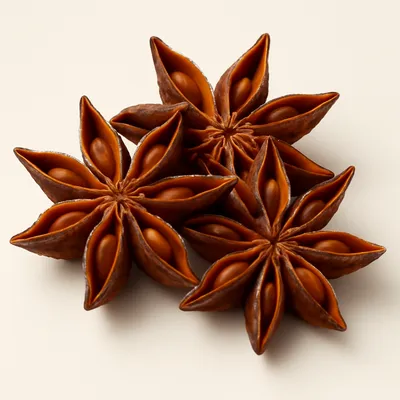
The mutual deodorisation of fish and lamb is a documented phenomenon. Mandarin fish, being a freshwater species, has very low trimethylamine oxide; its off-notes come mainly from lipid oxidation products and trace geosmin. Lamb's gaminess comes from short-chain branched fatty acids concentrated in the fat. During long braising, phenolic compounds from ginger and star anise inhibit lipid oxidation and bind volatile amines. Rendered lamb fat emulsifies into the broth and coats the fish fibres, physically masking any remaining oxidation aromas. Simultaneously, a synergistic umami reaction amplifies savouriness far beyond either ingredient alone: the inosine monophosphate abundant in fish muscle cross-reacts with the glutamates released from braised lamb, producing a nucleotide-amino acid synergy that can multiply perceived savouriness several times over.
Variations
The clear-simmered version uses only ginger, scallion, and salt, producing a pale translucent broth that emphasises the clean combined umami. The red-braised version adds dark soy sauce, star anise, and rock sugar for a deeper, sweeter result. Yanhuai cooks sometimes substitute carp for mandarin fish or goat for lamb. A Yanhuai variant stuffs smaller fish individually and serves them as single-portion banquet dishes.
On the Palate
Where Fish Bites Lamb sits in the Chinese flavor cloud
Ingredients
Serves 4


How it's made
7 steps · 30 min
- 145 min
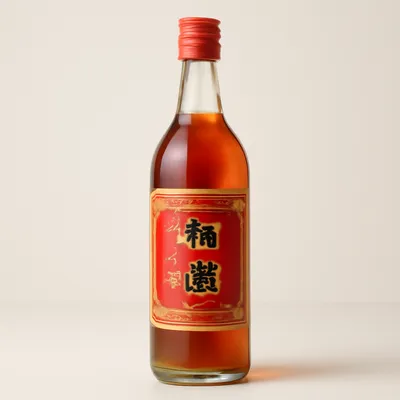
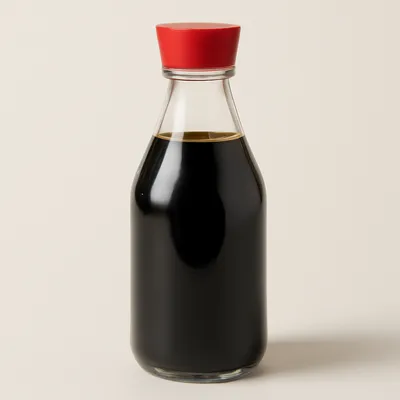
Cut the lamb rib or belly into 5 cm chunks; blanch in boiling water for 3 minutes and drain. Braise the blanched lamb with light soy sauce, dark soy sauce, ginger, scallion, star anise, Shaoxing wine, rock sugar, and water for 40 minutes until 80% tender. Remove the lamb and reserve the braising liquid.
- 215 min
Prepare the mandarin fish: scale, gut, and rinse. Using a sharp knife, cut along the spine from just behind the gills all the way to the tail, opening the back without severing the belly — creating a deep pocket. Carefully remove the main spine and rib bones through this opening; rinse the interior.
- 310 min
Pack the pre-braised lamb chunks tightly into the fish cavity. Tie the fish closed with food-safe string at 3–4 points along the body to maintain shape.
- 45 min
Heat oil in a heavy wok or wide pan. Gently lower the stuffed fish and sear for 2 minutes per side until the skin takes on a light golden colour and holds its form.
Watch outSear the stuffed fish gently just until the skin sets to light gold and holds its shape — this skin is what keeps it whole through the long braise; rush it and it splits.
- 55 min
Transfer the fish to a clay pot or heavy casserole. Pour in the reserved lamb braising liquid and enough additional chicken stock to reach halfway up the fish. Add ginger slices, a knotted scallion, dried tangerine peel, and the remaining star anise.
- 680 min
Bring to a rolling boil; skim carefully. Reduce heat to the lowest possible simmer, cover tightly, and cook for 60–90 minutes, turning the fish once very gently at the midpoint. The broth should barely tremble.
Watch outHold the pot at the barest tremble, never a rolling boil — hard bubbles jostle the delicate fish apart; the broth should just shiver at the surface.
- 75 min
Snip and remove the string. Adjust seasoning with salt; add a little dark soy if a deeper colour is desired. Garnish with fresh coriander and serve the fish whole in the braising vessel.
Archive tool suggestions — not reviewed
These legacy suggestions have not been evidence-reviewed and are not presented as required tools.