A crystalline broth dish from Yonghe Town in Ji'an County, where silken blocks of freshly pressed soybean curd are simmered with bright peas and carrot dice until the tofu absorbs the sweet stock yet still holds its form with a characteristic springy chew. Its reputation rests on a particular tofu that local producers have refined over eight hundred years: denser and more elastic than standard silken tofu, with a clean soy fragrance that no industrial product can replicate.


Yonghe Town in Ji'an County has produced tofu since at least the Song dynasty, when the town flourished as one of the great porcelain-trading markets of medieval China and attracted scholars and officials who wrote of its culinary culture. The dish gained its enduring name through the legend of Wen Tianxiang, the Southern Song loyalist general who resisted the Yuan dynasty. According to local tradition, when Wen Tianxiang led troops through Yonghe in the 1270s and faced dwindling provisions, residents offered his exhausted soldiers a broth made with local tofu. Wen praised it highly, and after his execution in 1283, townspeople named the dish in his memory. In 2018, the China Culinary Association formally recognised Yonghe Tofu as one of Jiangxi's ten classic regional dishes.
The tofu arrives milky-white in a clear, lightly sweet broth; press a chopstick tip against the surface and it gives slowly, then springs back — denser than silken, more yielding than firm. Each cube is warm throughout, faintly grassy with soy, rich with the absorbed sweetness from the peas and the gentle savour of the stock.
Yonghe tofu is coagulated with traditional brine (magnesium chloride solution) rather than gypsum. Magnesium ions form tighter ionic bridges between the soy globulin protein chains than calcium sulfate produces, yielding a denser, more elastic gel network — the physical basis of the famed chewiness (筋道). The local spring and well water in Yonghe contains mineral profiles that interact with the soy proteins during curdling, contributing a texture and flavour that commercial producers in other regions consistently fail to replicate.
Variations
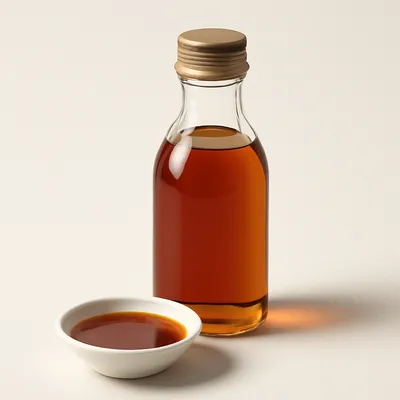
Yonghe cooks also braise the tofu in lard with scallion oil for a richer, fattier version. A cold preparation slices the set tofu thinly and dresses it with sesame oil and dried chili. A more rustic village variant adds dried wood-ear mushroom and small dried shrimp to the broth. Some contemporary restaurants lightly coat the cubes in starch and pan-fry them before adding to the soup, creating a contrast between a crisped exterior and the soft interior.
On the Palate
Where Yonghe Tofu sits in the Chinese flavor cloud
Ingredients
Serves 4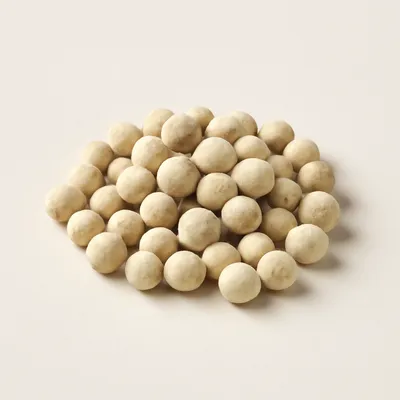
How it's made
7 steps · 15 min
- 15 min
Cut 600 g firm tofu into 3 cm cubes; pat the surfaces dry on a clean cloth or paper towel to prevent them from breaking apart during cooking.
Watch outPat the tofu cubes fully dry before they go in — surface water makes them slick and prone to breaking apart in the broth.
- 25 min
Peel and dice 1 medium carrot into 5 mm cubes. Shell 80 g fresh peas (or thaw frozen peas). Set both aside separately.
- 33 min
Bring 800 ml light chicken or vegetable stock to a gentle boil in a medium saucepan over medium heat.
- 43 min
Add the carrot dice to the simmering stock and cook for 3 minutes until just tender but still holding their shape.
- 52 min
Add the peas and cook for 1 minute until bright green.
- 610 min
Gently lower the tofu cubes into the broth. Reduce heat to the lowest setting and simmer for 8 to 10 minutes, occasionally spooning hot broth over any exposed tofu surfaces to help the flavour absorb evenly.
Watch outKeep it at the barest simmer and spoon broth over the exposed tops — a hard boil tumbles the tofu and shatters the cubes.
- 73 min
Season with 1 tsp salt, a few drops of sesame oil and white pepper to taste. Ladle carefully into a deep bowl keeping the tofu intact, and serve immediately.
Archive tool suggestions — not reviewed
These legacy suggestions have not been evidence-reviewed and are not presented as required tools.



