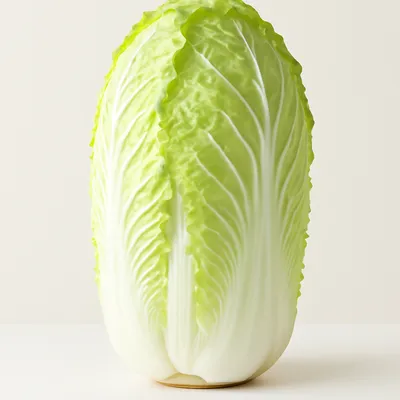
A festive communal pot from northern Shanxi, above all Datong, where a charcoal chimney runs up the middle of a hand-beaten copper vessel and keeps a bone broth at a steady simmer right on the table. The pot is not stirred but layered: napa cabbage and glass noodles line the bottom, then pork belly, fried meatballs, crisp pork, kelp, mushrooms, tofu and golden-needle flowers are stacked in tiers above. As the broth bubbles up through the stack, the cabbage and noodles soak in the rendered fat and meat juices while the charcoal keeps everything piping hot from first ladle to last. It is winter and New Year food, a whole table eating from one glowing pot, and it ties Datong's centuries-old copper craft directly to the dinner table.




Datong copper-ware is ancient: the craft was already famous under the Northern Wei (386-534), when the Xianbei rulers made nearby Pingcheng (today's Datong) their capital, and by the Ming and Qing it held a large share of the national market — in 2014 the technique was listed as national intangible cultural heritage. The copper hotpot grew out of where herding culture met farming culture here. The Xianbei, a steppe people, ate boiled and dipped mutton, and Datong's coppersmiths fused stove and pot into one body, fire and water side by side, into the copper hotpot. Local lore (相传) offers a name-tale too: a thirteenth son of the Ming founder, Prince Dai (Zhu Gui), was vexed that cold wine and cold dishes spoiled his long winter banquets, so a clever official had craftsmen build a pot with live charcoal below and hot broth above; rewarded with a triple promotion on the spot, the pot has been nicknamed the "fast-promotion pot" ever since. A finished pot is built from six parts — base, body, fire-seat, lid, chimney and small cap — tinned inside and chased with auspicious motifs; in 1973 Premier Zhou Enlai gave one carved with "nine dragons leaping at the moon" to French President Pompidou as a state gift.
Lift the lid and the layers have collapsed into each other: cabbage gone silky and translucent, glass noodles swollen and slick with fat, meatballs and crisp pork softened in the broth, kelp and mushrooms surrendering their savor into the soup. The first taste is the bone broth itself — clean, fatty, deeply meaty — then the soft sweet cabbage, then a bite of springy noodle, then the dense fried meatball. Because the charcoal never lets up, the last ladle is as scalding as the first, and you eat with your face in the steam. Nothing is crisp here; it is all softness, warmth and the slow-melded taste of one pot.
Everything turns on the charcoal chimney and the layering. The fire-tube runs straight up the center of the pot, so the heat sits inside the broth instead of under a flame — the soup holds a gentle, even simmer for hours with no burner, and stays scalding to the last serving, which a tabletop burner cannot match. The layering is deliberate physics: dense, slow-cooking items (meatballs, pork belly, kelp) go low where the heat is strongest, while cabbage and noodles ride above and steep in the fat and juices dripping down from the meat. The inside of the pot is tinned so the copper does not react with the broth or taint it with a metallic edge. Glass noodles — usually sweet-potato or mung-bean starch — are nearly pure amylose that gelatinizes and swells without dissolving, which is why they drink up the broth and turn slippery yet stay intact rather than melting away.
Variations
The Datong house style runs heavy on meatballs and crisp pork and is unthinkable without guo-you-rou, Shanxi's famous oil-passed pork. Country versions lean on whatever the winter larder holds — more cabbage, frozen tofu, vermicelli and fewer meats. Some cooks pre-stew the harder items so the pot needs only a short table-side simmer; others lay everything in raw and let the charcoal do the long work. Across northern Shanxi the same layered copper pot also anchors the New Year and wedding table, where the number and richness of the meat tiers mark how generous the host means to be.
On the Palate
Where Shanxi Copper Hotpot sits in the Chinese flavor cloud
Ingredients
Serves 6

How it's made
8 steps · 1 hour
- 170 min
Make the broth: simmer pork or chicken bones with ginger, scallion and Shaoxing wine for at least an hour until milky and savory; season with salt and white pepper.
Watch outThe broth is ready when it turns milky white and opaque — that's the bone fat emulsifying; a thin, clear stock means it hasn't boiled hard enough or long enough.
- 230 min
Prep the layers: slice pork belly thin, fry pork meatballs and crisp pork ahead, soak glass noodles and kelp until pliable, slice mushrooms, tofu and napa cabbage, and rehydrate golden-needle flowers.
- 35 min
Line the copper pot: pack napa cabbage and soaked glass noodles across the bottom as the cushion that will drink up the fat.
- 48 min
Layer the fillings: stack pork belly, meatballs, crisp pork, kelp, mushrooms, tofu and golden-needle flowers in tiers over the cabbage, densest items lowest.
Watch outStack the dense meats low and the cabbage and noodles high — the bottom sits where the fire-tube runs hottest, and the cabbage on top drinks the fat dripping down.
- 53 min
Pour the hot bone broth down the side until it just covers the layers, keeping the stack intact.
- 65 min
Light the chimney: fill the central fire-tube with glowing charcoal, set the lid, and bring the pot to a simmer right at the table.
Watch outFill the fire-tube with charcoal that's already glowing red, not black lumps — cold coal won't catch under the lid and the pot will never come up to a real simmer.
- 725 min
Simmer gently for 20-30 minutes until the cabbage turns translucent, the noodles swell and the meats are heated through and tender.
Watch outThe cabbage going translucent is your doneness clock — when it turns from opaque white to see-through, the noodles have swelled and the meats are heated through.
- 85 min
Serve straight from the pot, topping up with hot broth as the level drops and feeding the charcoal to keep it scalding.
Archive tool suggestions — not reviewed
These legacy suggestions have not been evidence-reviewed and are not presented as required tools.



