
A hand-pounded lemon tea built on Fenghuang Dancong oolong of the cultivar nicknamed "duck-shit aroma" (yashixiang), a single-bush oolong from the Phoenix Mountains of Chaoshan in eastern Guangdong whose crude name hides an intensely floral, orchid-and-honey fragrance. Fresh lemon slices are muddled by hand into the cooled tea to coax out the peel oils and juice, then stopped before the white pith turns it bitter. Served over ice, it is brisk, sharply citrus, and faintly grassy from the oolong. The hand-pounded lemon-tea format swept across China around 2021 on the back of chains such as Ningji and Uncle Qiu.




The drink grows out of two Chaoshan traditions in eastern Guangdong. The first is the local fondness for hand-squeezed and hand-pounded citrus drinks; the second is Fenghuang Dancong, the famous single-bush oolong of the Phoenix Mountains in Chaozhou. The cultivar called yashixiang, "duck-shit aroma," is classed within the huangzhixiang (gardenia) aroma group; folklore offers two explanations for its unflattering name. One says it was grown in a mineral-rich yellow earth the locals called "duck-shit soil"; the other says the farmer who first propagated it gave it a deliberately ugly name so neighbors would not covet and steal cuttings of the prized tree. In 2014 tea authority Huang Bozi and local growers, judging its fragrance close to the wild honeysuckle of the mountains, proposed renaming it "yinhuaxiang" (honeysuckle aroma), though the old name stuck. The hand-pounded lemon-tea craze itself dates to around 2021, when chains like Ningji (founded in Changsha, first shop 2021) and Uncle Qiu (founded 2018, Guangzhou) drove the category nationwide.
First the lemon: a sharp, clean acidity with a lift of fragrant peel oil, and a faint pleasant bitterness at the edge where the hand-pounding has worked the rind. Beneath it the oolong is the surprise — orchid-and-honey floral, gardenia-like, with a thread of mountain grassiness rather than anything barnyard. Iced, it is light-bodied and brisk, the sweetness kept low so the citrus and the tea's fragrance stay forward.
Hand-pounding is the technical heart of the drink. The fragrant outer peel of a lemon is studded with oil glands holding limonene and other volatile aroma oils; muddling ruptures these glands and the flesh, releasing both juice and a burst of citrus aroma into the tea. But the white spongy layer just under the skin (the pith) is rich in bitter compounds such as naringin, so pounding too hard or too long, or leaving the seeds in, drives bitterness into the cup — which is why a wooden or silicone muddler and roughly fifteen to twenty firm presses, aimed at extracting juice rather than pulverizing the rind, give the cleanest result. The tea base matters too: Dancong is a semi-oxidized oolong, and its orchid-honey fragrance develops during oxidation from the cultivar's aromatic compounds, notably linalool. Brewing hot (around 95 to 100 degrees Celsius) extracts that fragrance, after which the tea is cooled before pounding so heat does not stew the fresh lemon.
Variations
The same hand-pounded format runs across other teas — green tea, jasmine, or a roasted Wuyi oolong — but yashixiang Dancong is prized for its floral nose. Lime (so-called "fragrant lime") versions are common, as are kumquat-lemon and passion-fruit blends. Sweetening ranges from rock sugar to honey to none; a pinch of sea salt is sometimes added to round the acidity. Most shops serve it iced and shaken, though a hot version exists for winter.
On the Palate
Where Duck-Shit-Aroma Lemon Tea sits in the Chinese flavor cloud
Ingredients
Serves 1How it's made
6 steps · 7 min active + 5 min waiting
- 13 min
Brew the yashixiang Dancong oolong: steep about 5 g of leaves in 300 ml of water at 95 to 100 degrees Celsius for 1 to 2 minutes, then strain out the leaves.
- 25 min
Let the tea cool to room temperature or chill it, so the heat will not stew the lemon.
Watch outLet the tea cool to room temperature or chill it before it meets the lemon — pour it hot and it stews the peel and turns the cup bitter.
- 32 min
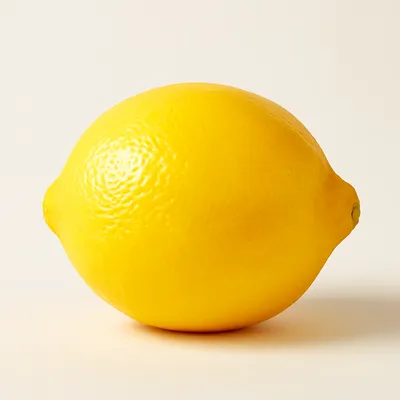
Slice 1 fresh lemon, discarding the end pieces and picking out the seeds to keep the drink from turning bitter.
- 41 min
Put the lemon slices in a sturdy cup or shaker and hand-pound them with a wooden or silicone muddler about 15 to 20 times, just until the juice and peel oils release — stop before the white pith is crushed.
Watch outPress the lemon just fifteen to twenty times, only until juice and fragrant peel-oil release — grind on and you crush the white pith and drive bitterness into the drink.
- 51 min
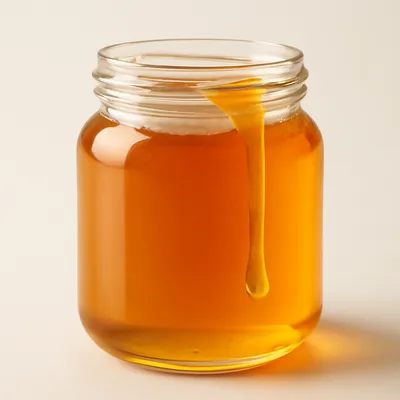
Pour the cooled tea over the pounded lemon and sweeten to taste with rock sugar syrup or honey; add a pinch of sea salt if you like.
- 61 min
Fill with ice, stir or shake to combine, and serve cold.
Archive tool suggestions — not reviewed
These legacy suggestions have not been evidence-reviewed and are not presented as required tools.


